5 Best Airless Paint Sprayers for Fences, Ranked (2026)
Updated July 2026 · By Sophie Ulman
A 150-Foot Fence in an Afternoon, Not a Weekend
Brushing a fence is the job that turns people off painting forever: every board has four faces, every picket has gaps, and by post twenty your wrist has opinions. The best airless paint sprayers for fences turn that weekend of misery into an afternoon — a fence panel takes two to five minutes, gaps and end grain get coated instead of skipped, and the finish soaks in evenly instead of pooling at brush laps. But fences punish the wrong machine: you need mobility along the fence line, enough pressure for thick exterior stain, and a cleanup routine that does not eat the time you saved. That is exactly how the five below are ranked.
In This Guide
Quick Picks: Best Airless Paint Sprayers for Fences
| Pick | Model | Max PSI | Feed | Best Fence Job |
|---|---|---|---|---|
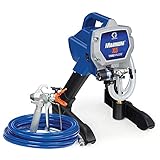
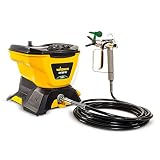
| Best Overall | Graco Magnum X5 | 3,000 | Bucket | Long runs, thick stain |
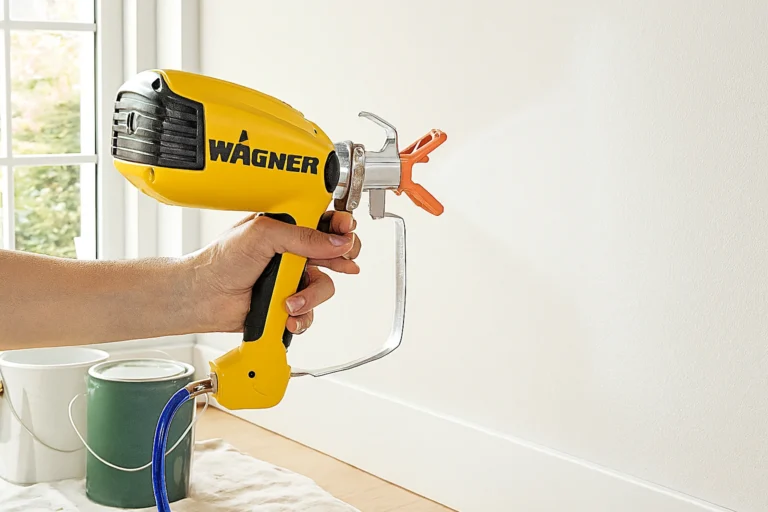
| Least Overspray | Wagner Control Pro 130 | 1,500 (HEA) | Onboard tank | Fences near cars, gardens |
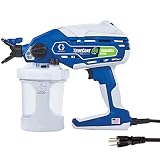
| Cordless | Graco TrueCoat 360 VSP | 1,500 | Handheld cup | Gates, short runs, touch-ups |
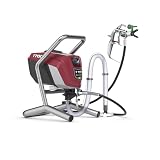
| High Output | Titan ControlMax 1700 PRO | 1,500 (HEA) | Bucket | Repeat jobs, big yards |
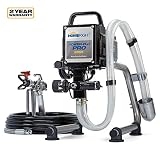
| Budget Cart | HomeRight Power Flo Pro 2800 | 2,800 | Bucket | One big fence, once |
Sophie’s Field Note
The first time I sprayed a fence, I did it on a breezy spring afternoon because the forecast looked fine and I was impatient. My neighbor’s silver sedan was parked forty feet away — which I judged plenty. It was not. A fine amber mist of semi-transparent stain traveled on that breeze, and I spent the next morning with detailing clay learning exactly how far overspray drifts. Here is what I learned: wind is the first spec of fence spraying, before PSI, before tip size. Now I spray fences before 9 AM when the air is still, I stake a plastic sheet downwind no matter what, and anything with wheels within a hundred feet gets moved or covered. The sprayer was never the problem — the schedule was.
The 5 Sprayers, Reviewed
Pros
- Sprays unthinned solid stain from the bucket
- Supports up to 75 ft of hose
- Serviceable pump, holds prime reliably
Cons
- Full-pressure overspray needs a calm day
- No cart — you carry it between positions
🎯 Best for: Long wood fence runs with thick stain — the machine that never asks you to thin.
Check Price on Amazon →Via Amazon.com
Pros
- Least overspray drift of the pump units
- Sealed rolling tank — no bucket to trip on
- Forgiving fan for first-time sprayers
Cons
- Thick solid stains want thinning
- 1.5-gal tank means refills on long runs
🎯 Best for: Fences near cars, gardens, and neighbors — the machine you choose when drift is the biggest risk.
Check Price on Amazon →Via Amazon.com
Pros
- Zero setup — spraying in two minutes
- Liner bags make cleanup trivial
- Flow control suits narrow pickets
Cons
- 32 oz cup — constant refills on long runs
- Arm fatigue after the first hour
🎯 Best for: Gates, single panels, and touch-ups — the jobs a full rig makes you procrastinate.
Check Price on Amazon →Via Amazon.com
Pros
- Fastest coverage among the HEA units
- 5-gallon bucket feed — few stops
- Cart rolls the fence line with you
Cons
- Priciest machine in this guide
- Heavier than the job strictly needs
🎯 Best for: Big yards and repeat stainers — anyone coating more than 200 feet of fence per season.
Check Price on Amazon →Via Amazon.com
Pros
- Lowest price for bucket-feed airless
- Handles unthinned exterior latex
- Simple pump, easy to service
Cons
- Coarse pressure control at the low end
- Unforgiving of lazy cleanup
🎯 Best for: One big fence, once — maximum coverage speed for minimum spend.
Check Price on Amazon →Via Amazon.com
How to Spray a Fence Right
Wind first, everything else second
Spray early morning when the air is still, and stop when a steady breeze picks up — overspray from a full-pressure airless travels farther than feels possible. Stake plastic sheeting on the downwind side, move or cover anything with paint or glass within a hundred feet, and warn the neighbor whose side of the fence you are about to improve.
Tip size follows the coating
Semi-transparent stains run through a .013 to .015 tip; solid stains and exterior latex want .015 to .017. Too small a tip for a thick coating produces tails and clogs; too large a tip for thin stain dumps material the boards cannot absorb. Then keep the discipline that matters on absorbent wood: two thin coats always beat one thick one — a flooded coat sits on the surface and peels, a thin coat soaks in and lasts.
Prep matters more than the brand
Durability is 50% product quality and 50% surface preparation, and gray, weathered fence boards are the proof: stain sprayed over sun-degraded wood fibers peels with the fibers. Wash or pressure-wash, let the wood dry two days, and knock down fuzz with a quick sand. Staining rather than painting? My fence staining walkthrough covers the full sequence. For coating-type decisions on wood, Family Handyman is a solid second opinion, and if you are stripping or recoating a fence built before 1978, check EPA lead-safe guidance before you sand anything.
⚠ When a Sprayer Is the Wrong Call
Skip the airless for a fence shorter than about 40 feet — setup and cleanup take longer than brushing the whole thing, unless you go handheld. Do not spray in wind, period; no technique fixes drift onto a neighbor’s car. Chain-link and wrought iron are poor airless targets — most of the fan passes straight through, and you waste half the coating painting the lawn. And on badly peeling previous paint, a sprayer only decorates the failure: the old coating must come off first, or the new coat peels with it on the same schedule.
My Verdict
The Graco Magnum X5 is the best airless paint sprayer for fences — thick stain, unthinned, from the bucket, with hose support that covers a whole fence line from one spot. If the fence borders cars, gardens, or a close neighbor, trade raw speed for the Wagner Control Pro 130 and its half-pressure drift. For gates and touch-ups, the handheld TrueCoat 360 VSP is the one you will actually pick up.
Frequently Asked Questions
What is the best airless sprayer for fences?
The Graco Magnum X5 — unthinned solid stain from the bucket, 75 ft of hose support. Near neighbors: Wagner Control Pro 130 for half the drift.
Spray or roll a fence?
Spray, on anything over ~40 ft. Panels take 2–5 minutes sprayed versus 20+ brushed — four faces per board decide it.
What tip size for stain?
.013–.015 for semi-transparent, .015–.017 for solid stain and latex.
Do I need to thin the stain?
Not on a 3,000 PSI rig. On HEA units, the thickest solid stains want a splash per the label.
How do I stop drift onto the neighbor?
Still morning air, plastic staked downwind, minimum pressure — or an HEA machine, which halves drift.
Airless on chain link?
No — the fan passes through the mesh. Roll or brush chain link; save the sprayer for boards and panels.
How long does the finish last?
3–5 years for semi-transparent, 5–8 for solid — prep and two thin coats decide it, not the tool.