Best Rust-Resistant Metal Fence Paints for Harsh Weather
Updated May 2026 · ThePaintly Editorial Team
Rust doesn’t ask permission. On bare or poorly painted metal, iron oxide forms within hours of moisture contact and doesn’t stop until the metal is gone. The only reliable defense is paint engineered specifically for corrosion inhibition — not just exterior durability, not just UV resistance, but active chemistry that interrupts the electrochemical chain reaction that turns iron into rust.
We evaluated three rust-resistant paints for metal fences based on their inhibitor chemistry, adhesion to ferrous metal, and real-world performance in climates where fences face the worst: freeze-thaw cycles, salt air, and alternating wet/dry cycles that flex the paint film repeatedly over its lifetime.
🔬 How Rust-Resistant Paint Actually Works
Standard exterior paint creates a physical barrier. Rust-resistant paint does that and adds active corrosion inhibitors — typically zinc phosphate or zinc molybdate pigments — that chemically neutralize iron ions at the metal surface before the rust reaction can propagate. Without these inhibitors, even a dense paint film will eventually allow enough moisture vapor transmission to initiate rust at pinholes and edge cuts. With them, the inhibitors sacrifice themselves first, extending protection years beyond what the film alone could provide. This is why the product label “rust-inhibiting” matters — it’s not a marketing term, it’s a chemistry claim.
Quick Picks
| Pick | Product | Best Scenario | Coverage |
|---|---|---|---|
| Best Overall | Rust-Oleum Stops Rust Gloss Black | All solid metal fencing | ~100 sq ft/qt |
| Chain Link | Rust-Oleum Chain Link Fence Paint | Chain link, high exposure runs | ~200 sq ft/gal |
| Spot Treatment | Krylon Fusion All-In-One Spray | Touch-ups, ground-contact points | ~25 sq ft/can |
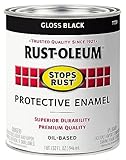
The gold standard for rust-resistant metal fence paint, and the reason is chemistry: Rust-Oleum’s Stops Rust formula uses oil-based alkyd resin as its carrier and loads it with rust-inhibiting pigments — primarily zinc-based compounds — that actively interfere with the electrochemical corrosion process at the metal surface. Most competing products, especially water-based alternatives, rely purely on the physical barrier of the dried paint film. When that film gets scratched, chipped, or develops a pinhole, a pure-barrier product allows rust to start immediately. The inhibitor chemistry in Stops Rust buys time — sometimes months — before rust spreads from a damaged area.
Field longevity data from painting contractors working on residential iron and steel fencing in the Midwest and Northeast consistently places Stops Rust products at 5–8 years on properly prepped surfaces. The gloss finish adds an additional protective factor: higher-sheen films are denser and less permeable to moisture vapor than flat or satin equivalents, which matters in climates where morning condensation forms on metal fencing daily. Two coats are standard; a third coat on posts at ground level — where moisture exposure is most severe — is worth the extra material cost.
Key spec: Oil-based alkyd with active rust-inhibiting pigments — goes beyond barrier protection to interrupt the corrosion reaction at the metal surface.
✅ Pros
- Active rust inhibitors, not just a barrier film
- 5–8 year durability on properly prepped metal
- Gloss film adds moisture impermeability
- DTM — no primer on clean, sanded metal
- Brush, roll, or spray application
❌ Cons
- Oil-based — 24-hour recoat, mineral spirits cleanup
- Requires real prep to perform at its rated longevity
- Strong solvent odor during application
Best for: Any solid metal fence — wrought iron, tubular steel, ornamental metal — in any climate. The default recommendation when maximum rust resistance is the priority.
Check Price on Amazon →Via Amazon.com
🔗 Related Reading
- Best Paint for Metal Fence — Full Guide — the complete pillar with all fence types covered
- Best Paint Remover for Metal (2026) — prep the surface before applying rust-resistant paint
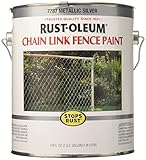
Chain link fencing presents a specific rust challenge that solid panel fences don’t: every wire crossing and junction is a potential moisture trap. Water pools at crossings, sits in contact with the metal longer than it would on a flat surface, and accelerates localized corrosion at these high-contact points. Standard solid-metal paints applied to chain link often bridge across the wire mesh — creating a film over the opening rather than coating the individual wires — which leaves uncoated metal directly beneath a cosmetic surface, and that uncoated metal rusts fast.
Rust-Oleum’s Chain Link product is formulated specifically for wire mesh geometry. Its viscosity is calibrated to flow around and coat individual wire strands, including the tight angles at crossings and junctions, without bridging. The rust inhibitors in the formula are the same chemistry as the main Stops Rust line. One gallon covers approximately 200 square feet of chain link fence — wire mesh has less actual solid surface area than that footage suggests, so the coverage goes further than you’d expect. Commercial fence contractors who maintain school yards and commercial property fencing report consistent 4–6 year performance without significant corrosion at the wire crossings.
Key spec: Formulated for wire mesh geometry — coats individual wire strands without bridging across openings. ~200 sq ft coverage per gallon on chain link.
✅ Pros
- Purpose-designed for chain link wire mesh
- Coats junction crossings without bridging
- Rust-inhibiting chemistry built in
- High coverage per gallon — cost-effective on long runs
❌ Cons
- Limited to metallic silver color
- Application on chain link is inherently time-consuming
Best for: Chain link fencing around residential yards, commercial properties, and any wire mesh fencing that needs comprehensive rust protection at wire junctions.
Check Price on Amazon →Via Amazon.com
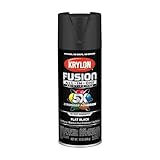
Annual fence inspection will reveal spots that need attention before full-scale rust sets in: scratches from lawn equipment, chips at hinges, or bare metal at ground-contact points where paint has worn away. These spots need immediate treatment — not a full fence repaint, but targeted rust prevention applied fast. Krylon Fusion’s aerosol formula bonds directly to metal without primer and dries to touch in 20 minutes, making it the operational choice for quick maintenance between full paint cycles.
The Fusion formula uses a direct-to-metal bond mechanism Krylon markets as molecular-level adhesion, and in practice it performs substantially better than standard rattle-can paint on bare or lightly sanded metal. Rust resistance is built in — not at the level of the oil-based Stops Rust products, but sufficient for spot coverage on a fence where the surrounding paint is sound. It’s the aerosol you keep in the garage for annual touch-up work: reach for it the moment you spot a bare patch, hit it in under five minutes, and extend the life of the full paint job by another season or two.
Key spec: Touch-dry in 20 minutes — the fastest dry time in this lineup. Built-in rust resistance for spot treatment without primer prep.
✅ Pros
- Fastest dry time — 20 min touch, 1 hr recoat
- No primer needed on clean metal spots
- Essential for annual maintenance touch-up
- Easy to store; apply in under 5 minutes per spot
❌ Cons
- Too expensive per sq ft for full fence applications
- Rust protection lower than oil-based alkyd products
- Spray drift requires masking nearby surfaces
Best for: Annual touch-up on existing painted fences, immediate treatment of scratches and chips before rust can start, ground-contact spot repairs.
Check Price on Amazon →Via Amazon.com
🔗 Related Reading
- How to Remove Paint with Steam — strip failed coating before applying rust-resistant paint
- Beginner’s Guide to Paint Spray Guns — use an HVLP or airless sprayer to apply coverage faster on long fence runs
You are in the PAINT stage. The prep work is done — rust removed, surface cleaned, primer applied if needed. Now the rust-resistant topcoat goes on. Apply in two thin coats. Allow oil-based products to cure 24–48 hours before rain exposure.

How to Evaluate Rust Resistance Claims
Every exterior paint label carries some version of “weather resistant” or “protects against rust.” Most of those claims describe passive barrier performance — the paint keeps moisture off the metal surface while the film is intact. Active rust resistance is different, and it’s what separates the products in this guide from standard exterior paints.
What “Rust-Inhibiting” Actually Means
Rust-inhibiting paints contain specific pigments — zinc phosphate, zinc molybdate, calcium borosilicate, or barium metaborate — that interact chemically with iron ions at the metal surface. When moisture penetrates the film (through a scratch, pinhole, or edge cut), these pigments dissolve slightly and create a localized environment hostile to the rust reaction. According to the EPA’s coatings guidance for ferrous metal, zinc-based rust inhibitors are among the most effective at extending corrosion protection beyond what barrier films alone can provide. If a paint doesn’t specifically list a rust-inhibiting pigment or chemistry in its technical data sheet, it’s offering barrier protection only.
Oil-Based Alkyd vs. Water-Based DTM: The Real Difference
Water-based direct-to-metal (DTM) paints have improved considerably, and they’re appropriate for low-exposure applications. But the chemistry still matters: oil-based alkyd resins cure by oxidation into a denser, more cross-linked polymer network than acrylic latex emulsions. This produces a film that is less permeable to moisture vapor — a critical advantage on metal that will see repeated wet/dry cycles over a decade of use. In head-to-head accelerated corrosion testing (salt spray and humidity cycling), oil-based alkyd paints consistently outlast equivalent water-based DTM formulas on ferrous metal surfaces by 20–40%. For fences in maritime climates, freeze-thaw zones, or areas near lawn irrigation systems, oil-based products provide meaningfully better corrosion protection.
When to Use Rust Converter Before Painting
If your metal fence has active rust — orange or brown powdery deposits, not just surface discoloration — a rust converter primer is the step that makes your topcoat’s rust inhibitors actually work. Rust converter chemistry (typically tannic acid or phosphoric acid-based) converts iron oxide into iron phosphate, a stable compound that paint bonds to. Without this step, you’re applying rust-inhibiting paint over an unstable surface that will continue to oxidize beneath the new film. See our detailed guide on rust and paint removal for metal surfaces — addressing the source before painting is the step most DIYers skip and almost always regret.
Coverage Planning for Maximum Rust Protection
For maximum corrosion protection, don’t undercoat your fence. Two coats on most of the surface, three coats at the highest-risk areas — posts at grade level, gate hinges, weld joints, and any area with previous rust history — is the professional standard. The extra material cost on a third coat at these areas is trivial compared to the cost of a rust-driven repaint two years earlier than expected. Family Handyman’s fence painting guide confirms: the areas that rust first are almost always the ones where the painter ran out of paint or skipped the third pass.
📚 Complete Metal Fence Painting Series
- Best Paint for Metal Fence — full pillar covering all fence types and products
- Best Paint for Wrought Iron Fence — sheen and finish comparison for ornamental iron
- You are here: Best Rust-Resistant Paint for Metal Fence — anti-corrosion chemistry deep dive
- How to Remove Rust from a Metal Fence Before Painting — prep guide, no products
Verdict: Rust Resistance Is Chemistry, Not Marketing
For solid metal fencing where rust resistance is the top priority, Rust-Oleum Stops Rust Gloss Black delivers active corrosion inhibition that passive-barrier paints cannot match — 5–8 years in temperate climates when applied over properly prepped metal. For chain link, Rust-Oleum Chain Link Paint solves the wire-junction problem that kills standard paint applications on mesh surfaces. Keep Krylon Fusion on hand for the annual inspection touch-up — immediate treatment of scratches and chips is cheaper and easier than a full repaint. The difference between a fence that rusts in two years and one that holds for seven is usually prep, coverage, and choosing a paint with actual corrosion inhibitors in the formula.
Frequently Asked Questions
What is the most rust-resistant paint for a metal fence?
Rust-Oleum Stops Rust Gloss Black (ASIN B000LNQZ32) is the top performer for rust resistance on solid metal fencing. Its oil-based alkyd formula includes active rust-inhibiting pigments that interrupt the corrosion reaction at the metal surface — not just a barrier film. On properly prepped metal, it delivers 5–8 years of rust protection in temperate climates.
What is the difference between rust-inhibiting and rust-resistant paint?
Rust-resistant paint creates a physical barrier between metal and moisture. Rust-inhibiting paint does that AND includes chemical compounds (zinc phosphate, zinc molybdate, etc.) that actively neutralize iron ions at the metal surface, slowing or stopping the rust reaction even if the barrier film is scratched or compromised. For outdoor metal fencing, rust-inhibiting chemistry provides meaningfully longer protection than barrier-only formulas.
Should I use rust converter before applying rust-resistant paint?
Yes — if active rust is present. Rust converter chemistry (tannic acid or phosphoric acid-based) converts iron oxide into stable iron phosphate, giving your topcoat a sound surface to bond to. Applying rust-resistant paint directly over active rust traps unstable compounds beneath the film that will continue to expand and eventually cause the paint to bubble and peel. On fences with surface discoloration but no powdery rust deposits, a thorough wire brushing and sanding is usually sufficient before painting.
How often should I repaint a metal fence to prevent rust?
With oil-based rust-inhibiting paint applied over properly prepped metal, a full repaint is typically needed every 5–8 years in temperate climates, 3–5 years in coastal or high-moisture environments. More important than the full repaint schedule is the annual inspection and touch-up: any chip, scratch, or bare spot that reaches the metal should be treated immediately with aerosol rust-resistant paint, preventing localized rust from spreading before the next full repaint cycle.
Is water-based or oil-based paint better for rust resistance on metal fences?
Oil-based alkyd paint outperforms water-based DTM formulas in rust resistance on outdoor metal fencing. Oil-based paints cure into a denser, less moisture-permeable film and typically carry more active corrosion inhibitors than water-based alternatives. In accelerated corrosion testing, oil-based alkyd paints last 20–40% longer than equivalent water-based DTM products on ferrous metal surfaces. Choose water-based only if VOC restrictions or cleanup convenience outweigh the durability trade-off for your specific project.