Best Airless Paint Sprayer With Filter Kit: 4 Picks 2026
Updated July 2026 · By Sophie Ulman
Filters First: The Sprayer Setup That Never Clogs Mid-Wall
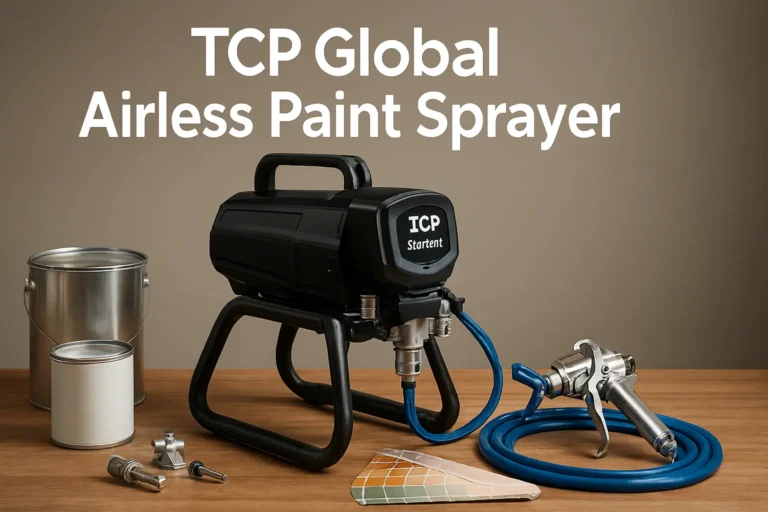
Every tip clog happens at the same moment: halfway across a wet wall, with a loaded gun and a drying edge. An airless paint sprayer with filter kit attacks that failure before it happens — mesh at the suction tube, mesh in the pump, mesh in the gun handle, each stage catching what the last one missed. The machines below either ship with real multi-stage filtration or include the filter kit in the box, and the difference between them is mostly about where the filters live and how fast you can service them mid-job.
In This Guide
Quick Picks: Best Airless Paint Sprayer With Filter Kit
| Pick | Model | Filtration | Max PSI | Best Job |
|---|---|---|---|---|
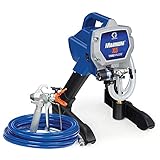
| Best Overall | Graco Magnum X5 | Inlet strainer + gun filter | 3,000 | Multi-room latex jobs |
| Budget Kit | VEVOR 650W Airless | Mesh filter set included | 3,000 | Fences, sheds, furniture |
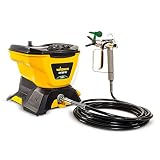
| Least Overspray | Wagner Control Pro 130 | Tank screen + gun filter | 1,600 (HEA) | Interiors, furnished homes |
| Big Jobs | Titan ControlMax 1700 | Inlet + gun filtration | 1,500 (HEA) | Whole-interior repaints |
Sophie’s Field Note
The first time I sprayed paint from a can that had been opened the season before, I skipped straining it — the paint looked fine after a stir, and I was in a hurry. Forty minutes in, the tip clogged four times across one ceiling, and each clear-and-restart left a lap mark I could see from the doorway. Here is what I learned: the filters in the machine are the second line of defense, not the first. Old paint gets strained through a mesh bag at the bucket, every time, no exceptions — and the gun filter gets checked before every session, because a filter that tore last week passes debris this week while looking perfectly clean from the outside.
The 4 Sprayers, Reviewed
Pros
- Full inlet-to-gun filtration chain
- Filters and strainers available everywhere
- Sprays unthinned latex; hose-fed cleanup
Cons
- Full masking needed indoors
- Costs more than the budget kits here
🎯 Best for: Anyone who wants filtration plus a parts ecosystem that will outlive the machine itself.
Check Price on Amazon →Via Amazon.com

Pros
- Filter kit and spares included
- True 3,000 PSI airless at budget price
- Handles unthinned exterior latex
Cons
- Thin long-term parts support
- Coarse pressure control, louder pump
🎯 Best for: Occasional outdoor jobs where the included spares matter more than decade-long support.
Check Price on Amazon →Via Amazon.com
Pros
- Filtration begins at the pour screen
- HEA design — least overspray here
- Tank means no suction-tube maintenance
Cons
- 1.5-gallon tank interrupts large jobs
- Thick paints may need slight thinning
🎯 Best for: Interior repaints in a home you live in — clean feed, soft fan, minimal masking.
Check Price on Amazon →Via Amazon.com
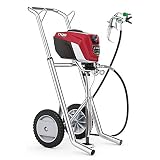
Pros
- Smoothest film in this guide
- Bucket feed for uninterrupted big jobs
- Filtered at inlet and gun
Cons
- HEA tips wear faster than standard
- Slower coverage than full-pressure rigs
🎯 Best for: Whole-interior repaints where finish quality and run length both matter.
Check Price on Amazon →Via Amazon.com
Mesh Sizes and the Three-Stage Chain
Match the mesh to the paint
Filter mesh is counted like sandpaper — higher numbers, finer screen. Latex and other thick coatings want coarse 50–60 mesh; run them through a fine filter and the filter itself blinds over and starves the gun. Thinned paints, stains, and lacquers want 100 mesh or finer, because the particles that clog a fine-finish tip sail straight through a coarse screen. The wrong mesh in either direction causes the exact clogging it was meant to prevent — my airless sprayer filters guide has the full mesh-to-material table.
Three stages, three different jobs
The inlet strainer is the rock catcher — coarse mesh stopping bucket debris before the pump. The pump or tank screen catches mid-size particles. The gun filter is the fine last defense before the tip. They are a chain, not redundancy: remove any link and the next one downstream does a job it was not sized for. When a machine clogs constantly, check the chain in order, upstream to down.
Prep matters more than the brand
Durability is 50% product quality and 50% surface preparation — and in spraying, paint prep is surface prep. Strain anything that has been opened before, stir from the bottom, and never scrape dried skin off the can rim into the bucket. Family Handyman covers paint-straining technique well. Cleanup discipline is the other half: filters die between jobs, not during them, so flush the system the same hour you stop — the routine in my cleaning tools guide takes twenty minutes and doubles filter life. Spraying solvent-based materials, follow OSHA ventilation guidance — and if you are doing repeat indoor spray work, building a proper DIY spray paint booth solves ventilation and overspray in one project.
⚠ When a Filter Kit Will Not Save You
No filter chain rescues paint that should not be sprayed: latex with frozen-and-thawed clumps, two-year-old paint with a broken binder, or heavily contaminated leftovers will blind every screen in the system and still find the tip. Filters also do nothing for a worn tip — streaks and tails at every pressure mean the orifice is eroded, not obstructed. And if your sprayer clogs constantly with fresh, strained paint, the mesh is probably too fine for the material, and swapping to a coarser filter fixes what more filtration never will.
My Verdict
The Graco Magnum X5 is the best airless paint sprayer with filter kit support for the long haul — serviceable filtration and a parts shelf that never empties. For furnished-home interiors, the Wagner Control Pro 130 filters at the pour and sprays the cleanest. On a tight budget, the VEVOR 650W puts spare filters in the box on day one. And for a whole-house interior, the Titan ControlMax 1700 combines bucket capacity with the smoothest film here.
Frequently Asked Questions
What is the best sprayer with a filter kit?
The Graco Magnum X5 for the filtration chain and parts ecosystem; the VEVOR 650W if the budget decides.
What mesh for latex paint?
Coarse, 50–60 mesh. Fine filters blind over with latex solids and starve the gun.
Why does my sprayer keep clogging?
Unstrained paint, a torn filter, or mesh too fine for the material. Check the chain upstream to down.
How many filters are in the system?
Usually three: inlet strainer or tank screen, pump filter, gun-handle filter. They work as a chain.
How often should filters be replaced?
Inspect every session; replace at any tear or deformation. A torn filter looks clean and passes everything.
Do I still need to strain paint?
Previously opened paint, always. The bucket strainer is the first line of defense — machine filters are the second.