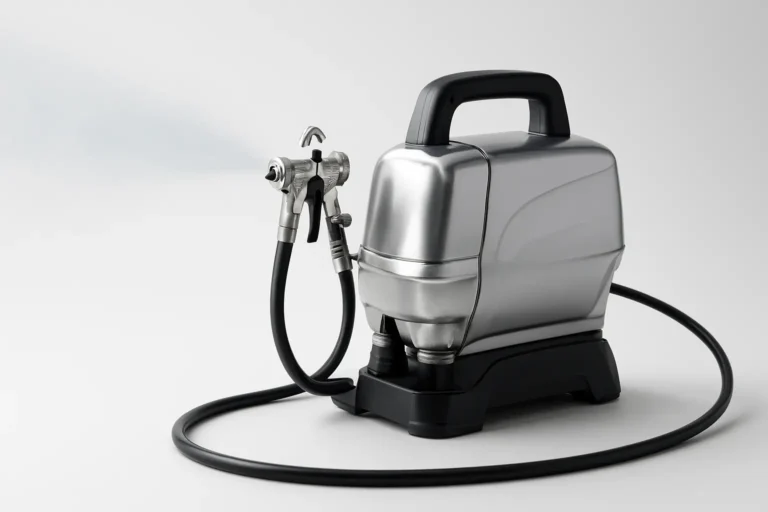
5 Best Airless Paint Sprayer for Walls (No Roller Marks)
Updated July 2026 · By Sophie Ulman
Walls Without Roller Marks: 5 Sprayers That Deliver the Film
Walls are where paint jobs get judged. Nobody crouches to inspect your baseboards, but everyone sees a wall in afternoon side-light — and that light shows every lap mark, every roller stipple, every spot where coat two flashed over coat one. The best airless paint sprayer for walls fixes all of that at once: it lays a single, continuous, even film that a roller physically cannot match. These five machines do it at different budgets and job sizes. I have run three of them on interior walls, and the differences that matter are below — including the one technique that decides the finish more than the machine does.
In This Guide
Quick Picks: Best Airless Paint Sprayer for Walls
| Pick | Model | Type | Output | Best Wall Job |
|---|---|---|---|---|
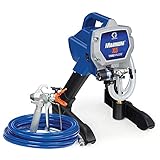
| Best Overall | Graco Magnum X5 | Airless, 3,000 PSI | 0.27 GPM | Multiple rooms, unthinned latex |
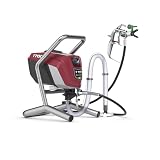
| Smoothest Film | Titan ControlMax 1700 | HEA airless | 0.33 GPM | Finish-critical feature walls |
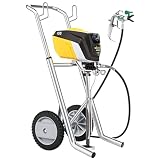
| Low Overspray | Wagner Control Pro 190 | HEA airless | 0.24 GPM | Occupied rooms, less masking |
| One-Room Jobs | Graco TrueCoat 360 VSP | Handheld airless | Handheld | Accent walls, small rooms |
| Detail Backup | Wagner Flexio 590 | HVLP (not airless) | Handheld | Patches, closets, tight spots |
Sophie’s Field Note
The first time I sprayed interior walls, I skipped back-rolling because the sprayed film looked perfect — glassy, even, done. Six hours later the afternoon sun came through the window at a low angle and showed me holidays and thin bands across two walls that had been invisible at noon. Here is what I learned: on drywall, spray the first coat and immediately back-roll it while wet. The roller pushes paint into the texture and evens the film; the sprayer gives you the speed. Spray-only is for coat two, after the surface is sealed. That one habit has saved every wall I have painted since.
The 5 Sprayers, Reviewed
Pros
- Even fan across full-day sessions
- Direct-from-bucket, no refills
- PowerFlush garden-hose cleanup
Cons
- Full masking required indoors
- Stock 25 ft hose limits big rooms
🎯 Best for: Painting the walls of three or more rooms — the point where airless speed beats every roller argument.
Check Price on Amazon →Via Amazon.com
Pros
- Best film smoothness in class
- Less mist, less masking
- Pump reserve for thicker latex
Cons
- HEA tips wear faster
- Slower coverage than full pressure
🎯 Best for: Finish-critical walls — living rooms, feature walls, anywhere low-angle light will judge your work.
Check Price on Amazon →Via Amazon.com
Pros
- Minimal masking in lived-in rooms
- Forgiving soft fan for first-timers
- Strong price for true airless
Cons
- Slower than full-pressure rigs
- Thickest paints may need thinning
🎯 Best for: Repainting walls room by room in a home you are living in.
Check Price on Amazon →Via Amazon.com
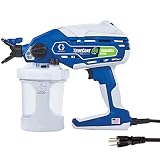
Pros
- Zero setup for small wall jobs
- True airless finish, unthinned paint
- Sprays at any angle
Cons
- 32 oz liners — constant refills on big walls
- Liner bags are a recurring cost
🎯 Best for: Accent walls and single-room repaints where dragging out a full rig makes no sense.
Check Price on Amazon →Via Amazon.com

Pros
- Minutes of setup and cleanup
- Handles closets and tight spots
- Cheapest machine in this guide
Cons
- Not airless — thinning required
- Too slow for full wall runs
🎯 Best for: The spaces around your walls — closets, alcoves, patches — not the walls themselves.
Check Price on Amazon →Via Amazon.com
What Actually Makes a Wall Finish Flawless
Back-roll the first coat — the technique beats the machine
On bare or previously rolled drywall, spray coat one and back-roll it wet: a partner (or you, quickly) runs a dry roller over the sprayed film, pushing paint into the surface texture and evening the build. Coat two gets sprayed clean. Skip this and side-light will find your thin bands — the machine cannot save a wall that was never back-rolled. And the site rule applies doubly here: two thin coats always beat one thick coat. Always. Thick sprayed coats sag on vertical surfaces before they level.
Tip choice sets the finish
Walls want a 515 or 517 tip — the first digit doubled is the fan width in inches, the last two digits are the orifice in thousandths. A worn tip is the most common cause of a suddenly ugly wall finish: the fan narrows, the center streaks, and paint use climbs. Tips are consumables; replace them by gallons sprayed, not by whether they still spray.
Prep matters more than the brand
Durability is 50% product quality and 50% surface preparation — patched spots need spot-priming or they flash through the sheen, glossy old paint needs scuffing, and dusty walls break adhesion silently. Family Handyman has solid drywall-repair walkthroughs if the walls need surgery first, and for anything involving old paint in a pre-1978 home, check the EPA lead-safe rules before you sand a single patch.
Walls rarely travel alone
Most wall projects grow: the ceiling suddenly looks dingy against fresh walls, and beginners discover technique matters at speed. If this is your first sprayer, start with my best airless paint sprayer for beginners guide for the technique fundamentals; when the ceiling inevitably joins the scope, the best airless paint sprayer for ceiling roundup covers the overhead game. Working strictly indoors? The dedicated best airless paint sprayer for interior walls guide narrows this comparison further.
⚠ When NOT to Spray Your Walls
Do not spray one furnished, occupied room with a conventional airless — the masking takes longer than rolling the room would. Do not spray over failing surfaces: peeling paint, active moisture stains, or crumbling plaster need repair first, because a sprayed film telegraphs every defect underneath at full speed. And do not spray without ventilation planning — atomized paint means real airborne particulates, so open windows, run a fan, and wear a proper respirator, not a dust mask. For one wall or one small room, the handheld TrueCoat or a quality roller is the honest answer.
My Verdict
The Graco Magnum X5 is the best airless paint sprayer for walls when the job is three rooms or more — unthinned latex, relentless consistency. For finish-critical walls that will live in raking light, the Titan ControlMax 1700 lays the smoothest film here. Living in the house while you paint? Take the Wagner Control Pro 190. And for a single accent wall, skip the hose entirely — the TrueCoat 360 VSP exists for exactly that afternoon.
Frequently Asked Questions
What is the best airless paint sprayer for walls?
The Graco Magnum X5 for multi-room jobs — unthinned latex, consistent fan. The Titan ControlMax 1700 for the smoothest single-wall film.
Do I need to back-roll after spraying?
On drywall, yes — back-roll coat one while wet. Spray coat two clean. This decides the finish more than the machine.
What tip size for interior walls?
515 or 517. Replace by gallons sprayed — a worn tip streaks before it stops working.
Is spraying faster than rolling?
3–4× faster once masked. One furnished room: roll. Three or more rooms: spray, without question.
Can I spray wall paint unthinned?
With true airless, yes — and you should. Only HVLP units need 10–15% thinning.
How do I control overspray indoors?
HEA machine, proper masking, gun 10–12 inches from the wall, real respirator. Ventilate while you work.