Spray Paint for Plastic Chairs: What Actually Holds Up Outside
Updated: June 2026 | By Sophie Ulman Pick the wrong spray paint for plastic chairs and you will be doing this again next June — flaking edges, a chalky finish, color that lifts the first time someone drags the chair across the patio. Plastic is the hardest common surface to coat because most paint has nothing to physically grip. The right product bonds chemically into the plastic itself. The wrong one just sits on top like a sticker waiting to peel. I learned this the slow way. The first time I sprayed a set of faded resin chairs, I grabbed a standard enamel because it was on the shelf and skipped any prep. Two months later the seats were peeling in sheets every time someone sat down. Here is what I learned: the best spray paint for plastic chairs is not the prettiest color — it is the one formulated to bond to plastic without a separate primer. Get that part right and these chairs outlast the next three patio sets you would have thrown them out for. Fusion is the one product on this list built specifically so you can skip the primer. The formula uses an aggressive bonding agent that softens the very top layer of the plastic and keys into it, so the cured film becomes part of the chair rather than a skin over it. That bonding chemistry — Krylon rates it as 5X stronger adhesion — is exactly why it survives a chair being dragged, stacked, and rained on. I sprayed a stack of weathered HDPE chairs with this in satin black, two thin coats, no sanding beyond a wash. After a full summer and a wet winter outside, zero peeling and only the faintest sheen loss on the seat tops where bodies sit. The one honest limit: the no-sand promise only holds if the plastic is truly clean. I rushed one chair that still had a greasy sunscreen film, and that single chair flaked at the armrest while the rest held perfectly. Bonds without primer on most rigid plastics — the only pick here that genuinely needs no separate adhesion step. When you have six or eight chairs to do, can price stops being a rounding error. Painter’s Touch 2X lays down roughly double the pigment of a basic can in one pass, so you cover a chair in fewer coats and burn through fewer cans. The satin sheen matters more than people think on plastic chairs: satin scatters light and hides the fade and micro-scratches that a gloss would spotlight. This is not a no-prep paint, and I will not pretend it is. On bare slick plastic it needs a real scuff with fine sandpaper first, or it goes the way my first disaster did. But give it that one step and it is the most economical durable option here. The honest limitation: skip the scuff to save time and Rust-Oleum on slick plastic will start lifting at stress points within a season — a pattern other painters report too. Highest coverage per can on this list — the cost-effective choice for full patio sets. COLORmaxx is the pick when the color is the point — you want a specific white, sage, or blue to match a cushion or a fence. It carries a built-in primer that improves grip on most plastics, though it is a lighter bonding system than Fusion, so a quick scuff is cheap insurance. The payoff is the deepest color selection of any line here, with consistent satin and gloss options across dozens of shades. I used satin white COLORmaxx on a set of trim chairs that needed to match a railing, and the color match was dead-on after two thin coats. Where it earns its place is matching, not maximum toughness. The limitation worth stating: on a high-wear seat it will show scuff sooner than Fusion, so I top it with the clear coat below when the chair gets daily use. For a quick refresh of an indoor or covered-patio chair, it is ideal on its own. Widest color and sheen selection here — built-in primer plus the best shade matching. This is not a color — it is the insurance policy that keeps your color alive. A clear gloss seal adds a sacrificial UV layer over your finish, and UV is what actually kills outdoor plastic-chair paint: sun breaks down the binder, the surface goes chalky, and the color fades flat. One or two clear coats give the sun something to chew on besides your pigment. I started clear-coating outdoor chairs after watching a sage-green set go chalky in a single brutal summer. The sealed half of that batch still looked freshly painted while the unsealed half had to be redone. The limitation is honest and simple: clear coat does nothing for adhesion. If the color underneath was not bonded properly, sealing it just locks a peel-in-progress under glass. Bond first, then seal. Adds a UV-resistant sacrificial layer — the single best step for color that lives in full sun. Two thin coats always beat one thick coat. Always. A heavy pass on plastic sags, traps solvent underneath, and stays soft for days — that soft layer is what fails first. Hold the can a full 12 inches off the chair and keep it moving in a sweeping pass. Plastic chairs are all curves and molded ribs; stop moving and you get drips in every recess. Wipe every chair down with a degreaser before you even open the can. Sunscreen, hand oils, and lawn-treatment residue are invisible and they are the number one reason a bonding paint still peels. If you take internal links seriously, the same prep rule runs through our wider guide to the best paint for plastic. Let chairs cure a full 24 hours before anyone sits down, even when the can says dry-to-handle in an hour. Cured and dry are not the same thing on plastic. Rough estimate for stackable plastic chairs at two thin coats. Adjust for very large lounge chairs. Every can on a hardware shelf will claim it works on plastic. It is not that simple. Choosing spray paint for plastic chairs comes down to three things: adhesion, finish, and UV defense — in that order. Get adhesion right and a cheap can lasts; get it wrong and the most expensive paint flakes anyway. Plastic is non-porous, so paint cannot soak in the way it does on wood. You need either a paint that chemically bonds to plastic (like Krylon Fusion) or a scuffed surface plus a primer that grips. Anything else is a sticker. This is why a true plastic-bonding spray paint for plastic chairs outlasts a generic enamel by years, not months. Plastic chairs are covered in molding seams, fade lines, and fine scratches. A satin finish scatters light and hides them; a high gloss acts like a magnifying glass for every flaw. Unless you want a deliberate shiny look, satin is the safer call for spray paint for plastic chairs. Sun, not rain, is what destroys outdoor chair paint. UV breaks the binder down until the color chalks and fades. If the chairs live in full sun, plan on a clear UV-resistant topcoat — the EPA notes these coatings off-gas solvents as they cure, so always spray outdoors with airflow. For a controlled setup, our DIY spray booth guide keeps overspray and fumes under control. One rule cuts across all three: prep matters more than the brand. Durability is roughly half product quality and half surface preparation. A bonding paint on a greasy chair still fails; a mid-tier paint on a properly cleaned and scuffed chair holds beautifully. For bigger furniture jobs where a can is not enough, step up to our best airless sprayer for furniture, and keep a touch-up paint pen on hand for the inevitable chip. Skip painting altogether if the chair is structurally cracked or the plastic is brittle and crazed — paint will not bond to a surface that is already failing, and a cracked chair is a safety issue, not a paint project. Do not spray polypropylene with the recycling code 5 expecting easy results — it is the most paint-resistant common chair plastic, and even bonding sprays need a thorough scuff and a light, patient build. And never spray a chair that still has any wax, polish, sunscreen, or grease on it. Per Family Handyman, surface contamination is the most common reason spray finishes fail, full stop. Do these in order. This is the half of the job that actually determines whether your finish lasts. 1. Wash and degrease. Scrub with soapy water, then wipe with a degreaser or rubbing alcohol. Let it dry fully. 2. Scuff the surface. Go over the whole chair with fine 220-grit sandpaper or a sanding sponge. You are not removing material — just dulling the shine so paint has tooth to grab. 3. Wipe off dust. A tack cloth or damp microfiber removes sanding dust that would otherwise sit under your first coat. 4. Spray two thin coats. Hold 12 inches away, sweep steadily, and let each coat flash off before the next. Two thin coats. Always. 5. Seal if it lives in the sun. Add one to two clear coats once the color is dry, then cure 24 hours before use. If you want one can that just works, buy Krylon Fusion All-In-One — it is the only true no-prep bonding option and the best spray paint for plastic chairs for most people. Doing a whole set on a budget? Rust-Oleum Painter’s Touch 2X wins on coverage per can, as long as you scuff first. Need an exact color? Krylon COLORmaxx. And if the chairs bake in full sun, add Krylon Fusion Clear on top — it is the cheapest way to turn a one-summer paint job into a multi-year one. With a true bonding paint like Krylon Fusion, a thorough clean is often enough. With any other spray paint for plastic chairs, a light scuff with 220-grit is what stops it peeling. When in doubt, scuff — it takes five minutes and prevents the most common failure. A plastic-bonding formula is the answer. Krylon Fusion All-In-One bonds chemically without a separate primer, so it resists peeling far better than generic enamel. Whatever you choose, peeling almost always traces back to skipped prep, not the paint. A bonded, sealed finish lasts several years in full sun; one painter reported Krylon plastic paint holding five years before needing a refresh. An unbonded or unsealed job can chalk and fade in a single harsh summer. Plan on roughly one 12 oz can for every one to two stackable plastic chairs at two thin coats. Large lounge or Adirondack-style plastic chairs use closer to a full can each. Use the calculator above for your set. Yes — but only with an all-in-one bonding paint such as Krylon Fusion or COLORmaxx, which carry primer in the formula. With standard spray paint you must scuff and prime first, or it will not hold on slick plastic. If the chairs sit in direct sun, yes. A clear UV-resistant topcoat is the single best step to slow fade and chalking. For shaded or covered chairs it is optional. Remember the clear coat protects color, not adhesion — bond first. ThePaintly is reader-supported. We only recommend products we’ve personally evaluated. When you buy through links on this site, we may earn an affiliate commission at no extra cost to you.Best Spray Paint for Plastic Chairs at a Glance
Product Best for Primer needed? Finish Krylon Fusion All-In-One Best overall — no sanding No (built in) Satin Rust-Oleum Painter’s Touch 2X Best value, big sets Scuff helps Satin Krylon COLORmaxx Best color range Light scuff Satin/Gloss Krylon Fusion Clear Best topcoat for fade N/A (sealer) Gloss clear 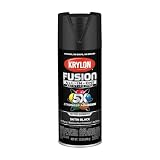
Krylon Fusion All-In-One (Satin Black)
Rust-Oleum Painter’s Touch 2X Ultra Cover (Satin Stone Gray)
Krylon COLORmaxx Spray Paint & Primer (Satin White)
Krylon Fusion All-In-One Clear
Pro tips: what a peeling disaster taught me
Spray paint for plastic chairs sits in the PAINT stage of the Renovation Protocol. The PREP stage (clean, scuff, degrease) decides whether this stage even holds — and if your chairs sit in full sun, add the SEAL stage with a clear coat. Skipping straight to PAINT on dirty plastic is the single most common reason this project fails.How many cans do you need?

How to Choose Spray Paint for Plastic Chairs
1. Adhesion is the whole ballgame
2. Satin hides what gloss reveals
3. UV defense decides the lifespan
When NOT to use spray paint on plastic chairs
Prep Steps That Decide Everything
The Verdict
Spray Paint for Plastic Chairs: FAQ
Do I need to sand plastic chairs before spray painting?
What is the best spray paint for plastic chairs that will not peel?
How long does spray paint last on outdoor plastic chairs?
How many cans do I need per chair?
Can I spray paint plastic chairs without primer?
Should I use a clear coat on painted plastic chairs?