
Best Zero VOC Ceiling Paint
When it comes to refreshing your ceiling, choosing the best zero VOC ceiling paint is a smart move for cleaner air and a healthier home. In this post, we’ll explore what “zero VOC” really means, share top-rated paint options with honest pros and cons, and include helpful tips and links—not just for your ceiling but for other projects around the house. VOCs come from the solvent, which is only one of the four things in the can — the full breakdown of pigment, binder, solvent and additives is in what paint is made of.
What Does ‘Zero VOC Paint’ Mean?
Zero VOC stands for zero volatile organic compounds, which are chemicals commonly found in paints that can off-gas unpleasant—and potentially harmful—fumes. This is why more homeowners are searching for zero VOC paint meaning and exploring non toxic indoor paint and non toxic paint brands—because you want great-looking walls without compromising your health.
Even though “zero VOC” sounds like it has no emissions, it’s important to know that some paints labeled as zero VOC may still have trace amounts to meet certain standards. That’s why when people shop for best non toxic wall paint, or search for best low VOC interior paint, they also look at independent certifications and brand transparency.
Why Zero VOC Ceiling Paint is the Way to Go
You spend hours under your ceiling—especially in rooms where you live, work, or sleep. Choosing the best zero VOC ceiling paint means fewer fumes, safer air, and peace of mind. Popular brands like zero VOC paint Sherwin Williams offer well-known formulas like Harmony, while big-box stores like Home Depot stock zero VOC paint Home Depot and non VOC paint Home Depot options like Behr. It all comes down to convenience, reputation, and health impact.
Top Picks and Honest Reviews
A note on buying: the paints below are bought through the brands’ own channels (Sherwin-Williams stores, Benjamin Moore dealers, ECOS directly, and The Home Depot for Behr), and the Amazon listings that used these names turned out to be different products, so I have removed those links rather than send you to the wrong can. Ask for the product by name at the paint desk.
Sherwin-Williams Harmony All-Surface Flat
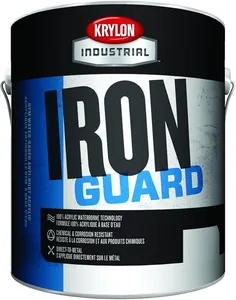
Why we like it: Rich finish, excellent hide, wide color options.
Honestly: In high-humidity climates, you might find it takes longer to dry than expected.
Benjamin Moore Natura Flat Ceiling Paint

Why we like it: Immensely creamy texture, near-zero odor, top-tier coverage.
Honestly: It comes with a higher price tag—though you get what you pay for.
ECOS Enlight Ceiling Paint

Why we like it: The most truly non-toxic formulation on the list, with eco-conscious packaging.
Honestly: The range of colors is limited, so it may not suit someone looking for bold or custom shades.
Behr Premium Plus Zero VOC Ceiling & Trim Paint (Home Depot)

Why we like it: Affordable, readily available, no odor as soon as the can opens.
Honestly: You may need two coats instead of one to achieve perfect coverage—so be prepared.
All of these options represent the best zero VOC ceiling paint choices on the market. They each deliver clean formulas, good coverage, and healthier indoor air—while the trade-offs come down to drying time, price, and color variety.
Tips for a Smooth Ceiling Paint Job
Prep Smart
Painting a ceiling isn’t just about paint. Want to do it the best way to paint a ceiling? Make sure your surface is clean and dust free—learn how to clean walls before painting so your ceiling is primed for success. Also, using an appropriate primer helps with coverage and adhesion.
Nail the Edges
The edges between walls and ceiling can be tricky. For sharp, clean lines, check out advice on the best way to paint edges between wall and ceiling—you’ll thank yourself when you see the crisp result.
Speed Up Drying
Don’t wait forever for your ceiling to dry. If you need it done quickly, check out tips on how to make paint dry fast—from using dehumidifiers to letting a fan gently circulate the air.
Broader Painting Resources You’ll Love
Looking for the ideal shade for your ceiling? Discover the best ceiling paint color.
Wondering how long does it take to paint a room? We’ve got timing tips to budget your weekend project.
Thinking of refreshing the exterior or prepping for a paint job? See the benefits of painting your home.
Final Thoughts
Your ceiling deserves more than just any paint—it deserves the best zero VOC ceiling paint for beauty and wellness. Whether you prioritize eco credentials, easy access, or color selection, the options above deliver. Be sure to invest a little prep work, brush up on your techniques, and choose a paint that safeguards your indoor air.
By selecting paints with low or no VOCs—whether that’s zero VOC paint Sherwin Williams, non toxic paint brands, or best non toxic wall paint from your local retailer like Home Depot—you’re choosing cleaner, safer air for your home.
Does Zero-VOC Paint Actually Mean the Room Is Safe to Sleep In?
Not automatically, and the gap between the label and the reality catches people out – usually people painting a nursery, which is exactly the situation where they most wanted the label to be simple.
The first thing to understand is that zero-VOC is a threshold rather than an absolute. Regulations allow a product to be described as zero-VOC while containing a small quantity below the limit, so the honest reading is very low rather than none. That is still a meaningful improvement over conventional paint, and for most people it is the difference between a room that is unusable for days and one that is usable the same evening.
The second is that tinting adds VOCs back. Base paint may test at essentially zero, but the colourants mixed in at the counter often are not zero-VOC themselves, and a deep colour needs considerably more colourant than a pale one. A dark accent wall in a zero-VOC base can end up with a meaningfully higher VOC content than the tin implied. On ceilings this matters less than elsewhere, since most ceilings are white or near-white and take very little tint – which makes ceilings one of the easiest places for zero-VOC to deliver what it promises.
The third is that VOCs are not the only thing in the air. Low odour is not the same as low emission, and a paint can smell of very little while still off-gassing, or smell strongly of natural ingredients while emitting very little of concern. If you are choosing on health grounds rather than comfort, the number on the technical data sheet is the thing to read, not how the room smells.
What none of this changes is ventilation. Zero-VOC paint dries and cures faster into a usable room, but a freshly painted room still benefits enormously from open windows and moving air for a day or two, and that is true of every paint on the market. For a child’s room I would still give it that time even with the best product in the aisle, because it costs nothing and removes any doubt.
When Zero-VOC Is Not the Right Priority
Low-VOC formulation is a genuine benefit, but it is not the only consideration and there are jobs where something else should decide the purchase.
- When you need stain blocking. The products that reliably seal water stains, nicotine and knots are typically shellac or oil-based and are not low-VOC. Spot-prime with the right product, then use zero-VOC paint over it.
- In bathrooms and kitchens. Mildew resistance and moisture tolerance matter more on those ceilings than VOC content. Look for a product that offers both rather than trading one away.
- When you are buying a deep colour. The colourant added at the counter carries its own VOCs, so a strongly tinted zero-VOC base is no longer the product on the label. This is rarely an issue on ceilings, which take little tint.
- If you are choosing on smell alone. Low odour and low emission are not the same measurement. A paint can be almost odourless and still off-gas, and the reverse is also true.
- As a substitute for ventilation. No paint removes the need to air a freshly painted room. Zero-VOC shortens the wait; it does not eliminate it.
Frequently Asked Questions
Does zero-VOC paint really contain no VOCs?
It contains very little rather than none. Zero-VOC is a regulatory threshold, so a product can carry the description while containing a small amount below the limit. It is still a substantial reduction compared with conventional paint.
Does tinting affect the VOC content of paint?
Yes. Colourants added at the counter are frequently not zero-VOC themselves, and deeper colours need more of them, so a strongly tinted zero-VOC base is no longer zero-VOC. Ceilings are less affected because they take very little tint.
How long should you wait before sleeping in a freshly painted room?
Zero-VOC and low-VOC paints shorten this considerably, often to the same evening with good ventilation. For a nursery or a child’s room, giving it a day or two with windows open costs nothing and removes any doubt.
Is low-odour paint the same as low-VOC paint?
No. Odour and emission are different measurements. A paint can smell of almost nothing while still off-gassing, and a natural-ingredient paint can smell strongly while emitting very little of concern. Read the technical data sheet rather than trusting your nose.
Is zero-VOC ceiling paint worth the extra cost?
On ceilings it is one of the easier places for it to deliver, because ceilings are usually white or near-white and take minimal tint. If the room is a bedroom, nursery or poorly ventilated space, the benefit is real.
Can you get zero-VOC paint that blocks stains?
Reliable stain blockers are typically shellac or oil-based and are not low-VOC. The practical route is to spot-prime the stains with the product that works, let it cure, and then apply zero-VOC paint across the whole ceiling.