Best Paint for 3D Prints: A Complete Guide to Stunning Finishes
If you’ve ever held a freshly 3D-printed model, you know how raw and dull it can look. Those layer lines and rough textures can distract from your design. The solution? A good coat of paint. Choosing the best paint for 3D prints can transform your model from basic to professional-grade.
This guide will walk you through the top paints for 3D-printed plastics, how to paint 3D prints step by step, and the best products worth buying.
What Makes a Paint Ideal for 3D Prints
Not every paint will work well on plastic. To get smooth, lasting results, here’s what you should look for:
- Adhesion: Must stick firmly to plastic, especially PLA
- Durability: Should resist handling, transport, and minor wear
- Finish Quality: Choose matte, gloss, satin, or metallic depending on your goal
- Ease of Use: Look at drying times, toxicity, odor, and application method
- Surface Coverage: A good paint can hide layer lines and imperfections when combined with primer
Just like when painting ceilings or walls, proper prep and the right type of paint make all the difference. For example, learning how to clean walls before painting can give you insights into prepping 3D prints before painting them.
Best Paint Types for PLA and Other Plastics
PLA is the most popular filament and very paint-friendly, especially when properly primed. Here are the most reliable paint types:
- Acrylic Paints: Water-based, quick drying, easy to clean, and ideal for brushwork on primed prints
- Enamel Paints: Solvent-based, extremely durable, and great for spray painting, though they require more drying time and ventilation
- Lacquer Paints: Provide a super smooth, hard finish, but must be applied carefully to avoid melting thin PLA layers
- Model Hobby Paints: Designed for plastic miniatures, they offer excellent detail and vibrant colors
Always apply a plastic-compatible primer before painting. Primer creates a surface that paint can grip and smooths out small flaws for a more professional finish. A primer acts like a base coat in wall painting, similar to what’s explained in how to use primer to tackle the toughest problems.
Best Paint for PLA 3D Prints
When searching for the best paint for PLA 3D prints, you’ll see a winning formula repeated by many hobbyists: plastic primer + acrylic paint + clear coat.
PLA handles water-based acrylics extremely well. Just avoid solvent-heavy sprays directly on raw PLA because they can cause warping. Spray enamel over a good primer is also a reliable option for larger models.
Best Paint for 3D Printed Plastic
If your prints are ABS, PETG, or resin, the same principles apply, but check for compatibility. Solvents that are safe on ABS may melt PLA. In general, acrylics and hobby paints are the safest across all 3D printed plastics when used over primer.
Enamels are more durable but need more care. Always test on a scrap piece first before applying to your finished model.
How to Paint 3D Prints
Painting 3D prints is easy if you follow the right process. Here’s a step-by-step guide on how to paint 3D prints for smooth and lasting results.
Step 1: Clean the Print
Remove all support material, stringing, or blobs. Use flush cutters, craft knives, or sanding sticks for cleanup. If your print is dusty or greasy, clean it thoroughly like you would before painting a wall, refer to how to clean walls before painting for tips.
Step 2: Sand the Surface
Start with coarse sandpaper (around 150 grit) to remove big imperfections. Progress to 400–600 grit for a smooth surface. Wet sanding reduces dust.
Step 3: Clean Again
Wipe off dust and oils with isopropyl alcohol. A clean surface ensures proper primer adhesion.
Step 4: Apply Primer
Use a filler primer or plastic-compatible primer. Spray thin, even coats and let each coat dry. Lightly sand again for a flawless base. Applying primer is just as crucial here as it is when preparing ceilings, as described in best drywall primer.
Step 5: Apply Paint
Use acrylics with a brush for detail or enamel spray paint for larger areas. Apply thin coats and allow full drying between coats. Patience is key—if you’re in a rush, these tricks from how to make paint dry fast can help.
Step 6: Add Details
Once the base color is dry, use fine brushes to add highlights, shading, or weathering details.
Step 7: Seal with Clear Coat
Apply a clear coat (matte or gloss) to protect your paint and add the desired sheen.
Best 3D Filament for Painting
Your choice of filament also affects paint results.
- PLA: The most beginner-friendly and takes paint well
- ABS: Can be smoothed with acetone before painting, but prone to warping
- PETG: Paintable but needs extra surface prep for good adhesion
- Resin: Very smooth surface, excellent for detail, but must be fully cured and cleaned before painting
PLA is generally considered the best 3D filament for painting thanks to its stable, paint-ready surface.
Recommended Paint Products for 3D Prints
Here are top-rated paints on Amazon that work great for 3D prints. These are selected based on user reviews, ease of use, and finish quality.
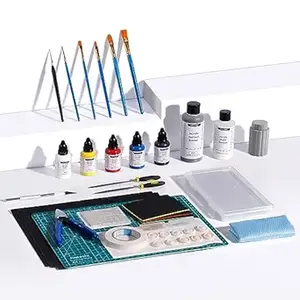
1. ANYCUBIC 3D Models Painting Set
Pros:
- Includes primer, topcoat, and acrylic paints
- Beginner-friendly and low odor
- Ideal for small decorative prints
Cons:
- Only 5 colors
- Included brushes are basic quality
Best for: Beginners wanting an all-in-one kit
2. ELEGOO 3D Paint Kit
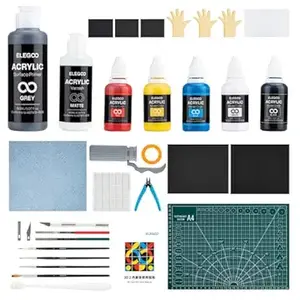
Pros:
- Includes paints, tools, and topcoat
- Designed for 3D prints and miniatures
- Vibrant colors, easy cleanup
Cons:
- Requires multiple coats
- Not ideal for large surfaces
Best for: Painting miniatures, cosplay parts, or small models
3. Rust-Oleum Plastic Primer and Spray Paint
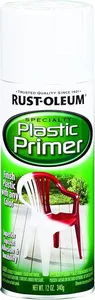
Pros:
- Excellent adhesion and durability
- Smooth finish on large prints
- Great coverage with spray application
Cons:
- Strong fumes and longer drying
- Can cause warping on unprimed PLA
Best for: Large prints or parts needing a tough, even finish
4. Acrylic Paint Set (24 Colors + Brushes)
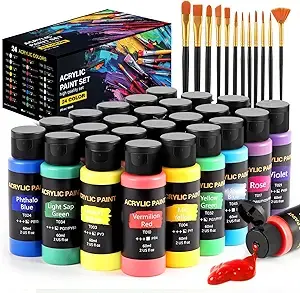
Pros:
- Wide color variety
- Water-based and non-toxic
- Great for layering and detail
Cons:
- Requires sealing for durability
- Color opacity varies
Best for: Fine detail painting and creative effects
Common Painting Mistakes to Avoid
Here are some common errors people make while doing 3D printer painting and how to avoid them:
- Skipping primer: Paint may peel off or stay tacky
- Painting too thickly: Causes drips and hides detail. Use thin coats
- Rushing drying times: Paint can smudge or bubble if not fully cured
- Not sealing the finish: Without a clear coat, paint can scratch easily
- Using cheap brushes: Poor brushes leave streaks and ruin fine details
Conclusion
Choosing the best paint for 3D prints isn’t just about color. It’s about using the right process, cleaning, sanding, priming, painting, and sealing. Acrylics are perfect for detail, while enamel sprays give durable coverage for large parts.
With proper prep and the right paint, your 3D prints can look smooth, vibrant, and professionally made.