Best Drywall Primer for New Board, Patches and Stains
Repainting existing walls is not the same as painting over new or repaired drywall. While painting new drywall is not difficult, it does require additional steps to ensure an even finish, true color walls surface these primers others, and consistent sheen in the finished paint.
All of this is accomplished through the use of a drywall primer. You’ve waited hours, if not days, for your drywall’s top-coat to dry, and when it finally does, the color looks different. We completely understand your anguish! These frustrations are caused by the fact that regular paint absorbs into the drywall, necessitating the application of an adhesive primer beforehand.
Paint primer for drywall will save you money because you may only need one coat followed by one layer of your topcoat to achieve the desired finish – no more waiting hours. Additionally, the primer acts as a drywall sealer, preventing stains from bleeding through to your paint.
Related Post: How to Clean Walls before Painting
If this information has boosted your spirits, you’ll want to continue reading our list of the best paint primers for drywall to get started quickly on perfecting your room.
List Of Best Drywall Primer With Reviews & Buyer’s Guide
Lets have a look upon all the carefully selected list of Best Drywall Primers below:
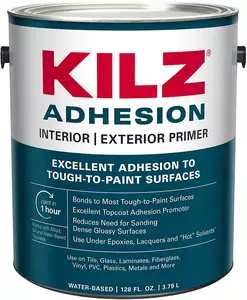
1. KILZ L211101 Adhesion High-Bonding Interior Latex Primer/Sealer
Specifications
When painting, you want to ensure that the paint adheres well to the surface. KILZ Adhesion Interior Latex Primer and Sealer is the best drywall primer sealer comparable to superglue for your paint. This high-adhesion primer adheres well to various surfaces, including plaster and brick, and provides a strong bond even on slick surfaces.
After the primer has dried, you can finish the job with latex paints, epoxy, lacquer, or other paint products containing solvents such as xylene. This first coat primer paint is designed to be sprayed with a paint sprayer for the most efficient paint and even coverage. However, we’ve discovered that this paint also rolls well, making it an excellent choice for any exterior painting project.
KILZ offers a range of affordable paint products made from high-quality materials. With over 40 years in business, KILZ is a trusted brand for all your painting needs.
- The bond is strong and secure.
- It can use Oil-based or latex paint to seal the primer..
- Outstanding coverage..
- Suitable for exterior as well as interior use.
- It is high build drywall primer sealer.
- This item is only available in 1-gallon size.
- Not FDA-approved for use on food contact surfaces.
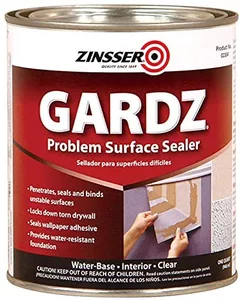
2. Rust-Oleum Corporation Available Rust-Oleum 02304 Problem Surface Sealer
Specifications
A primary consideration when removing wallpaper is proper surface preparation following the removal of the paper. When wallpaper is removed, a substantial amount of glue residue is frequently left behind. If the adhesive is not completely removed from the walls, it will contaminate the final coat of paint.
Related Post:10 Best Airless Paint Sprayer (Top-Rated & Professional)
We cannot clean the walls of residual glue entirely and must use the pva primer to seal the walls before the finish is applied. Traditionally, oil primers such as Cover Stain were used. Now, the primary focus of every company is typically GARDZ Problem Surface Sealer. The following are the primary advantages.
Unlike oil, It does not have an offensive odor. Unlike oil, GARDZ is truly ready in an hour when used properly. GARDZ is applied in about half the time. It spreads almost twice as far. GARDZ primer for drywall is slightly more effective than oil at sealing down glue residue and has succeeded where oil has failed.
- Simple to apply and dries quickly to a clear, matt finish.
- A solution based on water.
- Protects newly installed drywall.
- Repairs tore paper and bubbles in damaged drywall.
- Has big chunks in it.
Expert Tip:
There is a learning curve associated with the application of best pva primer GARDZ (which is also true of oil primer). GARDZ is extremely watery, with a consistency similar to that of milk. You must exercise extreme caution to avoid squeezing the roller; otherwise, it will run very easily. However, once you get the hang of it, GARDZ will spread rapidly and easily.
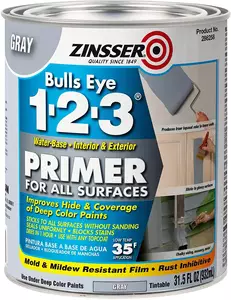
3. Rust-Oleum 286258 Primer
Specifications
Are you looking , what is a pva primer for drywall to prime your commercial or residential property? Then, this Rust-Oleum 286258 primer provides a superior foundation for all your painting needs. Because this drywall primer sealer is water-based, it has a low VOC content and is effective at sealing drywall. Additionally, it improves paint coverage and is compatible with all surfaces.
Additionally, it can provide adequate adhesion to difficult-to-coat surfaces and prevents the paint from chipping, cracking, or peeling. You avoid the expense of costly repairs to conceal water or mold damage. It is extremely versatile and can be used on various surfaces, including wood, etc.
- Simple To Use Kit.
- All-Purpose Primer.
- Best primer sealer for new drywall.
- The Product Is Made in the United States of America.
- Qt Int/Ext Ltx Primer Is the Product.
- Adheres To Any Surface.
- Perhaps more than two coats are required.
Expert Tip:
The best feature of this drywall primer is that it is water-based and thus seals properly without the need for sanding. Additionally, it dries in 30 minutes, and the wall is ready for the subsequent coat in an hour.
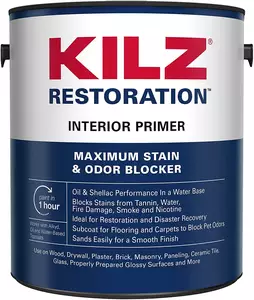
4. KILZ Restoration Maximum Stain and Odor Blocking Interior Latex Primer/Sealer
Specifications
For your convenience, the KILZ Restoration Maximum Stain and Odor Blocking Interior Latex Primer is designed to tackle tough stains such as moderate to severe water damage, rust, smoke, and felt marker.
As for this kilz pva primer review-it is a water-based primer, sealer, and stain blocker formulated with new technology to perform similarly to an oil-based product. It is an identical formula, but with a different name. Consider this primer carefully if your surface is particularly difficult, distressed, or aged. kilz pva drywall primer is invincible on porous surfaces.
KILZ Restoration is impervious to smoke, pet, and food odors. This formula is also effective against light mold and mildew. Additionally, it works wonders when it comes to sealing a concrete floor before installing laminate. Ideal for use with airless sprayers, you’ll often achieve a constant flow simply by using the sprayer’s included standard nozzle tip.
- Dries clear and is suitable for sealing hardwood floors.
- Primer with superior stain-blocking properties.
- The formula is based on water and has a low odor Cons.
- Prices are higher than for other, less robust formulas.
Expert Tip:
To be truthful, the only significant issue is the short shelf life. Because this kilz pva is designed for extreme durability, you should probably apply multiple coats regardless. It’s more work, but the result will be significantly more difficult.
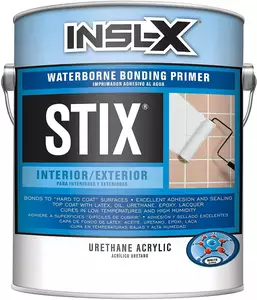
5. INSL-X SXA11009A-01 Stix Acrylic Waterborne Bonding Primer
Specifications
Stix Primer is a primer for acrylic urethane bonding (water-based bonding primer). This drywall primer coverage is designed to bond to traditionally difficult-to-bond surfaces such as PVC, fiberglass, and galvanized metals etc. All of this while remaining low in volatile organic compounds and easily cleaned up with water.
Stix dries to an extremely tough and durable finish that can be top-coated with alkyds, latex, urethane, epoxy, or lacquer coatings. This is NOT typical for a water-based primer; in fact, most would melt when top coated with alkyds, epoxies, or lacquers.
- Adheres to “difficult-to-coat” surfaces
- Excellent enamel retainer
- Almost any product can be used as a topcoat.
- Temperatures as low as 1.57° C (35° F) are sufficient for cure.
- Produces an extremely difficult film.
- Has to apply more than one coat.
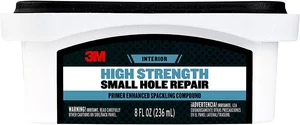
6. 3M High Strength Small Hole Repair, Primer Enhanced Spackling Compound
Specifications:
A drywall repair kit’s purpose is priming drywall concealment and repair holes, cracks, and buckles in the type of drywall found in the average home. Are you repairing a large hole or perhaps a hole in the wall of a public space that receives a great deal of wear and tears from a large number of people? Then you might be better off with this 3M kit- a sandable primer home depot.
Their kit of durable repair basics is designed for quick and simple repairs and increased resistance to future damage. This kit will assist you to prepare primer for drywall before painting and repairing holds up to a diameter of five inches.
3M High Strength Repair for Small Holes The All-in-One Applicator Tool is a one-of-a-kind design that includes everything you need to repair small walls. The unique bottle incorporates a putty knife, primer-enhanced spackle, and sanding pad into one convenient tool.
- This hole repair is ideal for small holes, cracks, and damaged surfaces.
- This is a small hole repair kit that is suitable for holes up to 3 inches in diameter.
- Conveniently packaged in a box container for easy use and storage.
- This product is not recommended for structural joints or stress cracks.
- Possibly challenging to apply.
7. Masterchem Industries 10007 Primer Sealer
Specifications
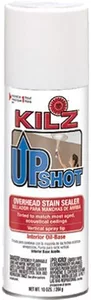
KILZ UPSHOT aerosol primer is the best primer for new drywall that is an internal oil-based stain blocking base with a unique vertical spray tip. It is excellent to remove stains from water, smoke, or grease ceilings. Tinted to complement the majority of aged/acoustical ceilings. Vertical spraying is quick and simple. Seals out pet and cigarette odors
This drywall sealer is an excellent water-based product from KILZ. It will create an ultra-smooth painting surface, and, like the majority of water-based primers, it is excellent at filling imperfections in porous surfaces. As a result, it is an excellent choice for softwood surfaces.
It conceals stains slightly better than the majority of water-based alternatives. Consider this option for colour changes as well, as the best primer for joint compound has excellent adhesion properties and will adhere well to previously painted surfaces.
- Excellent for areas that are constantly moist.
- Best primer for new drywall in bathroom
- There are no volatile organic compounds.
- Made in the United States of America.
- A little more costly than comparable products.
Expert Tip:
This product contains a mildewcide additive that helps prevent the growth of mold and mildew. This makes it ideal for use in areas with a high humidity level or prone to moisture. This category includes kitchens, bathrooms, and laundry rooms.
8. IDEA PAINT Primer
Specifications
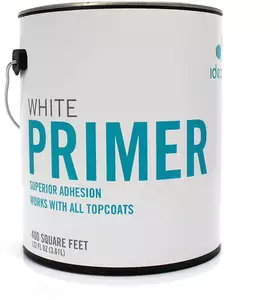
Given the variety of options available, it’s critical to select what is the best primer to use on new drywall specially whiteboard paint that is safe for you or your installer to apply. There are numerous primer paints for new drywall available at various price points, providing the consumer with various options regardless of their budget.
Numerous whiteboard paints contain controlled substances and should not be sold to the general public. Some reputable brands use questionable chemicals. These wallboard primer can cause serious health problems if inhaled. It is critical that the product is high-quality, environmentally friendly, and does not pose any danger to you during application.
The first thing you should look for is a whiteboard paint free of these dangerous chemicals known as isocyanates! Additionally, you should seek out a product with low volatile organic compounds (VOCs) (this will mean a lower odor when you are applying the product.) Idea Paints received the top two votes. These paints performed similarly, and it’s difficult to pick a clear winner.
- Quick and simple application
- Excellent results with a dry erase marker
- Low odor and volatile organic compound (VOC) content
- Because there are no isocyanates, this product is safe for anyone to use.
- Instructions that are simple to follow
- Independent certifications of quality.
- Requires a seven-day wait period before use.
- The price is the highest it has ever been.
9. Rust-Oleum Corporation 02501 Zinsser Shieldz Universal Wallcovering Primer Sealer
Specifications
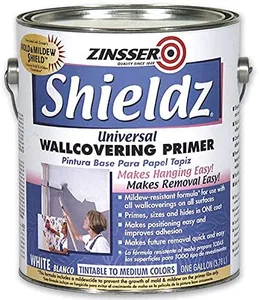
The Shieldz Universal Wallcovering Primer is another Zinsser product that makes the list of top drywall primers. zinsser drywall primer review suggests it is an excellent primer for drywall surfaces. A gallon of best primer sealer after skim coat can cover an area of up to 500 square feet.
Due to the water-based formula, it is extremely easy to apply to various surfaces, both internal and external, and serves as an excellent primer for hanging wallpaper. One coat of Shieldz is sufficient to prime the entire drywall. It completely covers the wall and also allows for easy adjustment and placement of wallpaper.
The waterproof primers for drywall are designed for ease of removal, which minimizes drywall tearing, seam separation, curling edges, and bubbles during the removal process. The coat dries to the touch in less than 30 minutes and is immediately ready for painting or wallpaper hanging.
- With a 1-gallon tub, it covers an area of up to 500 square feet.
- The water-based formula is simple to apply.
- Adhesive sufficient for wallpaper hanging
- Assures safe removal and protects the drywall
- Prevents the growth of mold and mildew and is suitable for use in humid areas
- It can have a strong odor making it unappealing when applied to interior surfaces.
Steps to Chose the Best Drywall Primer – Buying Guide
So here are some variables you must take into account and look at when choosing a drywall primer. The following elements are not all necessary in a paint printing, but are depending on your area demands.
Primer Base:
Oil Based:
Oil-based primers are drywall repair primer that can protect the walls from showing up stains. The flaking and cracking processes are also slowed down. Oil based primers require time to set down and also emit more VOCs into the air that might be detrimental if exposure continues.
Shellac Primers:
Shellac primers-joint compound primer are considered the finest primers for spot shielding. They stick in the stained surface and stick to the aromas of the stains. They dry rather quickly and are fairly sticky, which means they may be painted over. You release enough of VOCs before usage, which makes it more inconvenient to dilute the first with denatured alcohol.
Latex Based:
Latex pva primer is water soluble and comes under the best-known solutions for drywall painting. They settle and dry relatively quickly and are less springy than oil-based primers and are therefore less prone to tear or break. They eventually cover the surface of the wall and little flecks. The primers are easy to maintain and produce VOCs significantly fewer or not.
Latex Based:
Latex pva primer is water soluble and comes under the best-known solutions for drywall painting. They settle and dry relatively quickly and are less springy than oil-based primers and are therefore less prone to tear or break. They eventually cover the surface of the wall and little flecks. The primers are easy to maintain and produce VOCs significantly fewer or not.
Moisture Resistant:
A waterproof primer for drywall is more likely to mold and mildew which could be disgusting. Don’t ignore this option and always consider a moisture resistant primer especially when you are about to paint your kitchen, bathroom or basement.
Stain Resistant:
Several primers for drywall are intended to withstand smoking, pencils or grease, but try to locate one that also blocks and fixes any stains.
Odorless Primer:
Terrible smell is an issue in the high build drywall primer sealer. Primer is created by combining various chemicals which smell bad. Numerous manufacturers are currently doing a good job to remove the smell. I would advise you to proceed with the unscented first so your work does not feel annoyed.
But since foul smell fades as the primer dries up, if the odorless first is not available for the kind you choose, you may omit this feature.
Stickiness:
Since the primer is applied on the surface and retains a link between the base and the paint, it must be very sticky. Stay away, if the drywall sealer comes out easily! The base should remain firm and can keep a nail on it sometimes without a rupture.
Color of the Primer:
Keep in mind you choose a color that is attached to the paint when you buy the primer for the painting and how many coats of primer on new drywall . Many primers come with many color options, with some in one color.
One-color primers are typically suitable for all colors and color-dependent primers must be used after knowing the exact match of the color.
FAQs
Conclusion:
Now that we’ve highlighted our top nine products to look out for this year. We’ll suggest our recommended product to help you make the best choice possible.
Based on the benefits and practical application of these primers, we recommend the KILZ L211101 Adhesion High-Bonding Interior Latex Primer/Sealer as the best drywall primer. This product stands out among others precisely because of its affordability in the market. The drywall primer is capable of spreading across a wide variety of surfaces.
Do You Really Need to Prime New Drywall Before Painting?
Yes, and new drywall is the one surface where skipping primer is not a shortcut — it is a guarantee that the wall will look wrong under any light that hits it sideways.
The reason is that a new wall is not one surface. It is two. The paper facing on the board and the joint compound over the seams and screw heads absorb paint at completely different rates. Compound is porous and thirsty; the paper facing is comparatively sealed. Roll finish paint straight onto that and the compound drinks it in while the paper holds it on the surface, so every taped seam and every screw dimple ends up flatter and duller than the field around it. Painters call it joint banding or flashing, and once the topcoat is on, no amount of extra coats hides it — each new coat lands on the same uneven absorption and repeats the pattern.
The primer that fixes this is specifically a drywall primer-sealer, often labelled PVA. Its whole job is to equalise porosity so the finish coat sits on one uniform surface. It is cheap, it goes on fast, and it is the difference between a wall that looks flat and a wall that looks patchy every evening when the light goes low.
I found this out in a spare bedroom, and I found it out at exactly the wrong time. The walls looked perfect at midday when I finished. That evening, with a lamp on in the corner, every single seam showed as a dull stripe across the room. Two more coats of good paint did nothing, because the problem was underneath them. I ended up priming over my own finished paint and repainting the whole room.
Two situations change the product rather than the answer. Over a skim coat or a level-five finish, where the whole wall is compound, a PVA sealer is still correct but you can often go straight to a quality self-priming finish paint if the surface is genuinely uniform. And if the board has water stains, marker, or smoke damage, a PVA sealer will not block it — you need a stain-blocking shellac or oil-based primer, because water-based products let those bleed straight through.
When NOT to Use a Standard Drywall Primer
A PVA drywall primer is the right default on new board and the wrong choice in several common situations.
- Over water stains, smoke or marker. PVA is a sealer for porosity, not a stain blocker. Anything that bled once will bleed through it. Use a shellac-based or oil-based stain-blocking primer instead.
- On glossy or previously painted surfaces. PVA has poor adhesion to slick paint or gloss. A bonding primer is the correct product where you need grip rather than absorption control.
- In bathrooms and other high-moisture rooms without a moisture-rated system. Standard PVA is not built for repeated condensation. Pair moisture-resistant board with a primer and paint rated for the room.
- Over bare wood, metal or masonry. Each of those needs its own primer chemistry. PVA on bare metal offers no rust inhibition at all.
- On damp or freshly finished compound. Joint compound must be fully dry before priming. Sealing trapped moisture in causes bubbling and adhesion failure later.
Frequently Asked Questions
Can you use paint as primer on new drywall?
Not reliably. Self-priming paints are formulated for repaints over sound existing coatings, not for the split porosity of fresh board and joint compound. Using them on new drywall commonly produces flashing at the seams that shows up under angled light.
How many coats of primer does new drywall need?
One full, even coat of a PVA drywall primer-sealer is standard. A second coat is worth it only where the compound is unusually thick or the board has been sanded heavily enough to raise the paper fuzz.
What is PVA primer and why is it used on drywall?
PVA stands for polyvinyl acetate. It is an inexpensive sealer whose purpose is to even out how much paint the wall absorbs, so joint compound and paper facing take the finish coat at the same rate. It is not designed for adhesion or stain blocking.
Do you need to sand drywall primer before painting?
Usually a light scuff is enough, and only where priming raised the paper nap or left visible ridges. Use a fine sanding sponge, wipe the dust off, and do not sand back through to the compound.
Can you prime drywall and not paint it for a while?
Primer is not a finish and is not a weather or wear barrier, but a primed wall can sit for a few weeks indoors without harm. Left much longer, especially in a dusty or humid space, clean it and consider a fresh coat before the topcoat.
Will primer hide drywall imperfections?
No. Primer equalises absorption; it does not fill. Dents, ridges and poorly feathered seams show through it and will show through the finish coat too. Fix them with compound and sanding before you prime.