
How to Recycle Paint: Free Drop-Off and Reuse Options
Updated: August 2026 | By Sophie Ulman
The wrong way to get rid of old paint can cost you a fine, poison your local waterway, or leave a permanent stain on your driveway that no amount of scrubbing will fix. I know, because I’ve seen all three happen — including the driveway incident, which was mine. Before I figured out how to properly recycle paint, I dumped a half-gallon of latex into a trash bag. The compactor truck turned my street Coastal Blue. That was my last shortcut.
This page is the short version of everything I have learned since about dealing with leftover paint responsibly — which is really three separate decisions, not one. Keep it and store it so it survives. Use it up on something that does not need to be perfect. Or get rid of old paint responsibly, by the route your state actually allows. Work through them in that order and you will send far less to a landfill than you think.
⚡ 30-Second Answer by Paint Type
- Latex / water-based: Solidify it with hardener or cat litter → legal to trash once solid in most states. Not in California — see below.
- Oil-based / alkyd: Hazardous waste. Never trash. Drop off at an HHW event or PaintCare site only.
- Aerosol / spray cans: Use until empty → puncture → scrap metal bin. Or HHW if still full.
- Chalk paint / milk paint: Treat like latex — solidify and trash, same state exceptions.
Read This First If You Live in California
Nearly every paint-disposal guide online — including the earlier version of this one — tells you to dry out latex paint and put it in the trash. In California that advice is wrong, and following it can put you on the wrong side of hazardous waste law.
California’s Department of Toxic Substances Control treats latex paint as a presumed hazardous waste. Intentionally drying paint for disposal is a form of treating hazardous waste, and doing it without a permit is prohibited. All leftover paint — including cans that dried out on their own in the garage — has to go to an approved drop-off location.
The upside is that California has one of the densest drop-off networks in the country, and it is free. Skip the hardener and go straight to Step 4 below.
How to Get Rid of Old Paint Responsibly: Your 4 Options
Every painter ends up with leftover cans. The responsible way to get rid of old paint follows a simple hierarchy — work down it in order and you’ll almost never send paint to a landfill that didn’t have to go there: reuse it, donate it, recycle the can, then dispose of what’s truly dead. Here’s how the four options compare before we get into the step-by-step. The same hierarchy applies when you are getting rid of unused paint that is still perfectly good — you just start higher up the list, at reuse or donation, instead of at disposal.
| Option | Best For | Cost | Effort |
|---|---|---|---|
| Reuse | Good paint, right color/sheen, more than ¼ can left | Free | Low — touch-ups, a small project, or mixing into chalk paint |
| Donate | Full or near-full cans you won’t use but others can | Free | Low — one drop-off trip |
| Recycle | Empty/dry cans, or latex you can solidify (outside CA) | One hardener packet, or free with cat litter | Medium — solidify, then curbside or PaintCare |
| HHW / PaintCare drop-off | Oil-based, aerosols with pressure, all paint in California | Usually free | Medium — a county event or a year-round PaintCare site |
The mistake I see most often is people jumping straight to disposal when half the cans in the garage are still perfectly usable. Run the 60-second test below before you write any can off.
Step 1: Is the Paint Still Good? The 60-Second Test
Before you decide to recycle paint, check whether it’s worth saving. A gallon of quality paint runs $50–$80. If you can rescue it, do.
| What You See / Smell | Verdict | Action |
|---|---|---|
| Thin layer of liquid floating on top | ✅ Save it | Stir for 5 minutes — it’s just separated. |
| Smooth, creamy consistency | ✅ Save it | Strain through a mesh paint strainer before use. |
| Sour or rotten-egg smell | ❌ Dead | Recycle or dispose immediately. |
| Chunky, stringy, or rubber-like texture | ❌ Dead | The polymer has broken down. Cannot be fixed. |
| Frozen and thawed more than twice | ❌ Dead | The emulsion is destroyed. |
| Thick skin on top, liquid underneath | ⚠️ Maybe | Remove the skin completely. Test on cardboard. If smooth, use it. |
If paint passes the test, transfer the leftovers into an airtight container immediately — a standard paint can with a bent lid is the #1 reason good paint goes bad. I use a 5-in-1 paint tool to re-seat lids tightly without warping the rim. If you want the full shelf-life picture, we cover it in does paint expire.
Step 2: Store What You’re Keeping — Air Kills Paint, Not Age
Most of the cans I have had to solidify were not old. They were badly stored. Latex paint does not expire on a date printed anywhere; it dies from three specific things, and all three are under your control: air sitting in the headspace, a freeze-thaw cycle, and a rim that no longer seals flat. Get those right and a gallon will still roll out smooth five years from now. Get them wrong and you are back on this page in eighteen months, reading the disposal section.
Shrink the container to fit the paint
A gallon can with two inches of paint left in it is about eighty percent air, and that air is what forms the skin. Decant leftovers into a container sized to what you actually have. If you are holding two gallons or more of one color — the house body color, usually — pour the lot into a bucket with a screw-down lid instead of leaving it across three half-empty cans.
Keep it above freezing and out of direct sun
Latex is an emulsion: solid polymer particles suspended in water. Freeze it and the water crystallises, the particles clump, and the emulsion never comes back — that is why a frozen-and-thawed can is stringy no matter how long you stir it. A conditioned closet or an interior basement shelf is the right place. An unheated garage in a cold climate is where paint goes to die, and a sunny shed is nearly as bad from the other direction.
Label it like a stranger will read it
Brand, color name, sheen, the room it went on, and the date you opened it — written on the side of the can, not the lid, because lids get swapped. I have thrown away perfectly good paint purely because I could not prove what it was. A strip of masking tape and a marker costs nothing and is the single highest-return thirty seconds in this whole article.
Strain when you reuse it, not when you store it
A skin on the surface is oxidation, not spoilage — the paint underneath is usually fine. Lift the skin off in one piece if you can, then pour the paint through a mesh strainer before it goes near a brush. If it has thickened past the point of pouring cleanly, thin it first and strain second; the other order just clogs the mesh. We walk through the ratios in how to thin latex paint.
When storage is the wrong answer
Do not store paint you are not honestly going to use. A can kept “just in case” for six years is not saved paint, it is a disposal job you postponed and made harder. My rule: if the color is no longer on any wall in the house, it goes to a ReStore or a drop-off now, while it is still good enough for someone else to want.
The two things I keep in the paint cabinet for storage
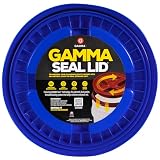
Prep matters more than the brand here too: a $70 gallon stored badly is worth less than a $30 gallon stored well. If you want the full shelf-life picture by paint type, we cover it in does paint expire.
Step 3: How to Recycle Paint by Type
Latex Paint (Water-Based) — The Easy One, With One Big Exception
Most interior house paint sold today is latex. It’s non-hazardous once solid, and in most US states solid latex paint is accepted in regular household trash. You just need to get it there. California is the exception — see the box above; solidifying is not a legal route there, permit-free.
Method 1: Chemical Paint Hardener (15–20 Minutes)
This is the fastest way to recycle paint. Pour in the powder, stir once, wait 15 to 20 minutes. The paint turns into a solid puck you can toss in the trash with the lid off (so the hauler can confirm it’s solid).
What I use: Homax Waste-Away Paint Hardener 2-Pack — one packet handles up to two-thirds of a gallon, so a brim-full gallon can needs both packets in the box. For partial cans, use half a packet. It saves an HHW trip for the price of a coffee.
One packet works for latex and acrylic paints. It does NOT work on oil-based paint — different chemistry entirely.
Method 2: Cat Litter (Free, Slower)
Pour clay-based cat litter into the can — roughly equal parts paint to litter. Stir until it looks like oatmeal. Leave the lid off in a well-ventilated area for 24–48 hours. Once solid, trash it. We break the ratios down further in our guide to using kitty litter on old paint cans.
Works, but takes two days and requires clay-based litter (not the clumping crystal type — it doesn’t absorb as well). If you have multiple cans to deal with, the chemical hardener is worth buying.
Method 3: Air Dry (Small Amounts Only)
For less than a quarter-inch of paint left in the can, remove the lid and set it in a garage or shed out of rain. Thin layers dry in a few days. Thick layers can take weeks and may never fully harden in humid climates — I’ve found cans that were “drying” for six months and still had wet centers.
Oil-Based Paint — The One You Can’t Rush
Oil-based paint (also called alkyd paint) contains petroleum distillates. It’s classified as hazardous waste in every US state. There is no legal DIY disposal method for liquid oil-based paint — you cannot dry it at home and put it in the trash.
Your options:
- Household Hazardous Waste (HHW) drop-off event: Most counties hold these 2–4 times per year, usually free. The EPA’s household hazardous waste page explains what qualifies and points to local programs; otherwise search “[your county] household hazardous waste drop off”.
- PaintCare drop-off: Thousands of drop-off sites, mostly at paint and hardware stores, open year-round rather than a few days a year. See the state list below.
- Local auto parts store: Some accept oil-based paint alongside used motor oil. Call ahead — this varies a lot.
How to identify oil-based paint: The label will say “clean up with mineral spirits” or “clean up with paint thinner.” If it says “clean up with soap and water,” it’s latex.
Aerosol Spray Paint Cans
If the can is completely empty (shake it — no liquid sound, just air), puncture the valve and put it in scrap metal recycling. Most curbside recycling programs accept empty aerosols.
If there’s paint left in the can, it’s pressurized flammable waste — treat it like oil-based paint. Take it to an HHW event. Never puncture a can that still has pressure.
Specialty Paints: Chalk Paint, Milk Paint, Primers
Most chalk paint and milk paint are water-based — treat them like latex. Solidify and trash. Primers are trickier: water-based primers follow the latex rules, oil-based primers follow the oil-based rules. When in doubt, check the cleanup instructions on the label.
Step 4: Find a Free Year-Round Drop-Off
PaintCare is the industry-funded stewardship program that runs free, year-round paint drop-off at partner retailers. It is funded by a small fee added to paint sold in participating states, which means you have already paid for the service whether you use it or not.
It does not operate everywhere. Check the PaintCare site locator for your postcode before you load the car. As of 2026 the program covers 12 states plus Washington, D.C.:
- California, Colorado, Connecticut, Maine, Minnesota, New York, Oregon, Rhode Island, Vermont, Washington
- Illinois — program launched December 2025
- Maryland — program launched April 2026
- Washington, D.C.
Oregon was the first state to adopt a paint stewardship law, and more legislatures take up similar bills each session, so it is worth re-checking if your state is not on this list yet. If you are outside these states, your route is a county HHW event instead — less convenient, but usually still free.
Two things worth knowing before you drive over: most sites cap you at around five gallons per visit, and they take paint in its original, labelled container. Paint you decanted into an unlabelled bucket will often be refused. Call the specific store, not the corporate line — participation varies branch to branch even within a chain.
Where to Donate Paint You Don’t Need
If the paint is still good — right color, right sheen, mostly full — don’t waste it. Donated paint gets used.
- Habitat for Humanity ReStore: Accepts full or near-full cans of most paint types. Proceeds fund home-building projects.
- Local theater groups and community theaters: Always looking for odd colors for set construction.
- Nextdoor or Facebook Marketplace: Free paint gets claimed within hours. Post the color, brand, and approximate amount.
- Community tool libraries: Growing in most cities. They often accept leftover paint alongside tools.
Reusing Leftover Paint: 6 Ways to Use It Up Instead of Tossing It
Reusing leftover paint is the cheapest and greenest option on the list — and it keeps you out of the disposal line entirely. If a can passed the 60-second test above, here’s where I actually put mine:
- Touch-ups. Keep a labeled jar of each wall color for scuffs and nail holes. Match the existing finish first — here’s how to match paint already on a wall so the patch disappears instead of flashing.
- A garage or utility space. Leftover wall paint is perfect for a spot nobody scrutinizes. I’ve used odd half-gallons on garage walls and a concrete floor more than once.
- The inside of closets and shelving. Two thin coats of whatever’s left, and the can is gone.
- Furniture and small projects. A quart goes a long way on a dresser or a set of shelves.
- Mix it into chalk paint. A bit of leftover latex becomes a custom color — make custom chalk paint at home with 4 ingredients.
- A primer or base coat. Off-color leftovers make a fine base under a new top color on hidden surfaces.
One caution — and this is the limitation people ignore: only reuse paint that’s genuinely good. Reusing dead paint that’s chunky, sour-smelling, or repeatedly frozen will peel and streak, and you’ll spend more redoing it than a fresh quart would have cost. When in doubt, solidify it and start fresh.
If You Are Doing This Every Spring, Stop Rolling It
The reuse list above assumes a brush and a roller, and for one closet that is fine. But the people who end up on this page are usually the people who find four half-gallons every spring, and rolling three leftover gallons onto a garage wall or a fence is how a Saturday becomes a weekend. The paint was free. The afternoon was not.
A handheld HVLP sprayer changes that arithmetic. It also solves the problem that makes people give up on reuse entirely: mismatched leftovers. Two different whites rolled side by side will always show the seam. Sprayed, thinned, and laid down in one pass over a whole wall, they read as one colour.
Wagner Spraytech 0518080 Control Spray Max HVLP Paint Sprayer
This is the corded HVLP unit with a 1.5-quart cup and a 20-foot hose, so the turbine sits on the floor and only the gun is in your hand — which matters on a ceiling or the top of a fence, where a handheld all-in-one unit gets heavy fast. The 20 feet of hose is the actual reason to pick this over a cheaper self-contained sprayer.
Pros: A 1.5-quart cup empties most leftover cans in one fill, the fan and flow both adjust so you can dial it down for trim, and it will spray thinned latex, which is what almost all leftover wall paint is.
Cons: You must thin and strain every can before it goes in the cup — unthinned latex will not atomise and will spit. There is real overspray, so masking is not optional. And cleaning it takes about fifteen minutes, every time.
When not to buy it: if you have one can and one closet, this is the wrong purchase and the roller in your garage is the right one. The sprayer earns itself back on volume — a fence, a shed, a garage, a whole set of interior doors. If your leftover pile is two quarts, skip it. If it is four gallons every spring, you have already paid for it in weekends.
3 Eco-Crimes That Will Cost You
- Pouring it down the drain. Paint pigments and binders clog municipal water treatment systems. In many states it’s a fineable offense, and your plumber will know exactly what you did when you call about the blockage.
- Bagging liquid paint for trash pickup. The compactor crushes the bag — what happens next depends on where the truck happens to be. I can confirm from personal experience that the answer is “on your driveway.”
- Burying it in the yard. VOCs from oil-based paint take decades to break down in soil and can leach into groundwater. If you ever sell the property, this becomes your problem legally.
Products That Prevent the Problem
The most sustainable way to manage leftover paint is to not accumulate it in the first place. Two products I keep in my shop:
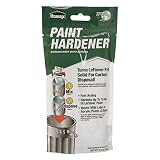
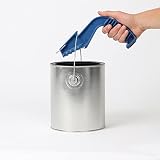
If you’re working with spray paint regularly, see our full guide to setting up a DIY spray paint booth — proper ventilation means you use less paint per project and waste less in cleanup. And if the leftover cans came from an automotive or model project rather than a wall, the disposal rules are the same — see our guides to the best paint for plastic and best paint for 3D prints for the products that produce the least waste in the first place.
FAQ: How to Recycle Paint
Can you put dried paint in regular trash?
In most US states, yes — completely solid latex paint is accepted in household trash. Leave the lid off so the hauler can verify it’s solid. In California, no: latex is a presumed hazardous waste and even accidentally dried paint has to go to an approved drop-off. Oil-based paint goes to HHW everywhere, dry or not.
Is it legal to dry out latex paint for disposal in California?
No. California’s Department of Toxic Substances Control treats intentionally drying paint as treating hazardous waste, which requires a permit. Take all leftover paint to a PaintCare or HHW drop-off site instead — it is free.
Which states have PaintCare drop-off sites?
Twelve states plus Washington, D.C. as of 2026: California, Colorado, Connecticut, Illinois, Maine, Maryland, Minnesota, New York, Oregon, Rhode Island, Vermont, and Washington. Illinois launched in December 2025 and Maryland in April 2026, making Maryland the thirteenth jurisdiction. Delaware is not on the list — it has no paint stewardship law, so Delaware readers go the county HHW route.
Does Home Depot take old paint?
Some Home Depot locations are registered PaintCare drop-off partners — they take latex and some oil-based paint at no charge. Not all stores participate, and it varies branch to branch. Call the specific store before making the trip.
How long does latex paint last in the can?
Properly sealed in a cool, dry location: 2–5 years opened, up to 10 years unopened. Once paint has frozen and thawed, its shelf life drops significantly. I’ve used 7-year-old latex that was stored well and it rolled perfectly. I’ve also opened 18-month-old paint that was stored in an unheated garage in Minnesota — it was garbage.
Can you recycle empty paint cans?
Yes. Once completely dry and empty, a metal paint can is just scrap metal. It goes in your curbside recycling bin. Plastic paint containers (common with 5-gallon buckets) go in plastic recycling once clean and dry.
What’s the fastest way to solidify paint for disposal?
A chemical paint hardener — one packet solidifies up to two-thirds of a gallon in 15 to 20 minutes. Cat litter works but takes 24–48 hours and requires you to get the ratio right. For bulk disposal of multiple cans, hardener packets are the practical choice — outside California.
Is it legal to pour paint down the drain?
No — for any paint type. Water-based paint clogs municipal systems; oil-based is classified as hazardous waste. Both are prohibited from drain disposal in every US jurisdiction. The only exception is rinsing a roller or brush with a small amount of water-based paint — the trace amounts that wash off are generally within municipal treatment tolerances.
What’s the most responsible way to get rid of old paint?
Work down the hierarchy: reuse good paint first, donate full cans you won’t use, recycle empty or solidified latex, and send only truly hazardous or dead paint (oil-based, pressurized aerosols) to a household hazardous waste event or PaintCare site. Landfill is the last resort, not the first move.
Can you reuse leftover paint, or does it have to be fresh?
You can absolutely reuse it — as long as it stirs smooth, smells normal, and hasn’t frozen repeatedly. Strain it through a mesh filter and it’s good for touch-ups, garage walls, furniture, or a chalk-paint base. Only paint that’s chunky, sour, or rubbery should be solidified and tossed.
How should I store leftover paint so it lasts?
Decant it into a container sized to the amount you have left, so there is minimal air above the paint, seal the rim flat, label it with brand, color, sheen and date, and keep it above freezing and out of direct sun. Air and freeze-thaw kill paint far faster than age does.
How do I get rid of unused paint that’s still good?
Don’t solidify it — that’s wasteful. Donate near-full cans to a Habitat for Humanity ReStore, a local theater group, or give it away on Nextdoor. Good paint gets claimed within hours.
Sophie Ulman has renovated and painted more rooms than she can count — and made every mistake in the book so you don’t have to. She focuses on real-world durability: not how products perform on day one, but whether the repair holds through a full seasonal cycle.
ThePaintly is reader-supported. Our picks are based on manufacturer specifications and what users report. When you buy through links on this site, we may earn an affiliate commission at no extra cost to you. Disposal rules vary by state and municipality — always confirm with your local waste authority before disposing of paint.