Ingersoll Rand Airless Sprayer: The Truth Before You Buy
Updated July 2026 · By Sophie Ulman
Ingersoll Rand Does Not Make the Sprayer You Think — Here Is What to Buy
Let me save you a return shipment: the Ingersoll Rand airless sprayer that people search for does not exist as a consumer product. Ingersoll Rand builds compressed-air spray guns — HVLP and gravity-feed models like the 270G and 210G — not pump-driven airless rigs like a Graco or Wagner. Buy a 270G expecting to spray your house walls and you will spend the weekend refilling a 600cc cup and cursing. Buy it for what it actually is — an automotive-grade finishing gun — and it is one of the better values in its class. This guide covers both sides: what IR really sells, and the three true airless machines to buy if that is what you came for.
In This Guide
What the Ingersoll Rand Airless Sprayer Actually Is
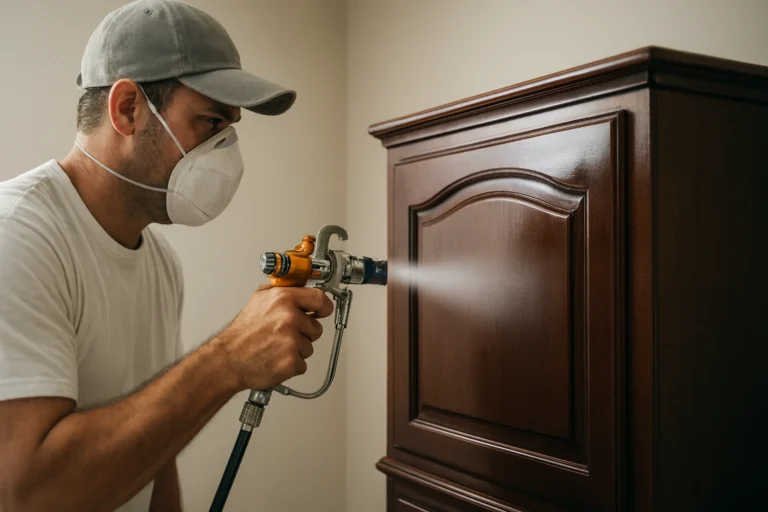
Ingersoll Rand has built air tools for over a century, and its EDGE Series spray guns ride on that reputation. They atomize paint with compressed air from your compressor — which means fine control, low overspray, and a finish quality that pump-driven sprayers struggle to match on furniture and car panels. What they cannot do is move paint in volume. An airless pump pushes half a gallon a minute through a hose; an HVLP gun sips from a cup. Different machines, different jobs.
The Ingersoll Rand Guns, Reviewed
Ingersoll Rand 270G Edge Series HVLP Gravity Feed Gun
Who this is for: the garage hobbyist refinishing car panels, cabinet doors, or furniture who already owns a decent compressor.
The gravity-feed cup sits on top so the gun uses air pressure only for atomizing, not for pulling paint — that is why HVLP guns waste less material and lay a finer coat. The aluminum body keeps arm fatigue down over a full panel, and the fan and fluid adjustments have enough range to go from mist to wet coat.
One real limitation: it needs a compressor delivering roughly 6–10 CFM continuously. A small pancake unit will sputter and starve the gun mid-pass.
Check Price on Amazon →Ingersoll Rand 210G Gravity Feed Spray Gun
Who this is for: touch-up work, trim, small panels, and hobby projects where a 600cc cup would be overkill.
The smaller 20 oz cup and precision fluid knob make it easy to feather thin coats — clear coats and lacquers especially. It is the cheapest way to get IR build quality in your hand.
One real limitation: the small cup means constant refills on anything larger than a chair. It is a detail gun, not a project gun.
Check Price on Amazon →Ingersoll Rand 200G Spray Gun Kit
Who this is for: the first-time compressor-gun buyer who wants the regulator and fittings included instead of sourced separately.
A serviceable entry gun bundled with the accessories that beginners forget to budget for. The included regulator is basic — fine to learn on, and the first thing serious users upgrade.
One real limitation: stock accessories are starter-grade; expect to replace the regulator once you can feel pressure drift mid-coat.
Check Price on Amazon →Sophie’s Notes From the Garage
The first time I ran a 270G, I hooked it to the 6-gallon pancake compressor I use for brad nailers. The first ten seconds of every pass looked beautiful — then the tank pressure sagged, the atomization fell apart, and the panel came out half silk, half sandpaper. Here is what I learned: an HVLP gun is only as good as the air behind it. Check your compressor’s CFM rating at 40 PSI against the gun’s requirement before you buy the gun, not after. And when the air supply is right — two thin coats. Always.
Airless vs HVLP: The Table That Settles It
| Feature | True Airless (Graco/Wagner/Titan) | IR HVLP (270G/210G) |
|---|---|---|
| Paint delivery | Hydraulic pump, 1,500–3,000 PSI | Compressed air, 30–50 PSI at the gun |
| Walls, ceilings, exteriors | Fast — built for it | Painfully slow |
| Furniture, cabinets, car panels | Good with fine-finish tip | Excellent — its home turf |
| Overspray | Heavy | Low |
| Extra equipment | None — plug and spray | Compressor with adequate CFM |
If the left column describes your project, my professional airless sprayer guide ranks the pump rigs properly. For ceilings specifically — the job people most often mismatch to an HVLP gun — start with the best way to paint a ceiling.
When an Ingersoll Rand Gun Is the Wrong Call
- You are painting rooms, fences, or a house exterior. Cup-fed HVLP cannot compete with a pump. This is the single most expensive mismatch buyers make on this page.
- You do not own a compressor. By the time you buy one with 6–10 CFM of headroom, a self-contained airless rig often costs less in total.
- You spray heavy latex or elastomerics. These guns are built for automotive and finishing viscosities, not high-build house coatings.
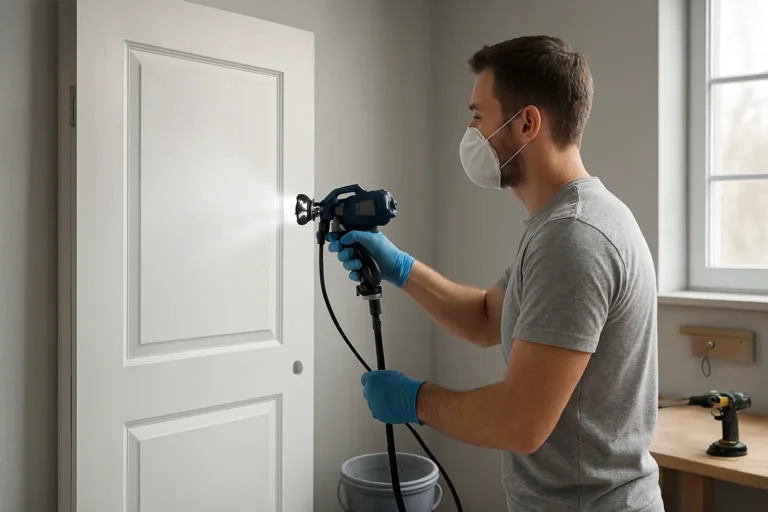
And wherever you spray: prep matters more than the brand. Durability is 50% product quality and 50% surface preparation — scuff, clean, and degrease before the first pass, per Family Handyman’s spraying guidance. Indoors or in a garage, follow OSHA’s ventilation guidance and wear a proper respirator; a contained, ventilated workspace like my DIY spray paint booth setup makes every session cleaner and safer.
True Airless Alternatives (If That Is What You Came For)
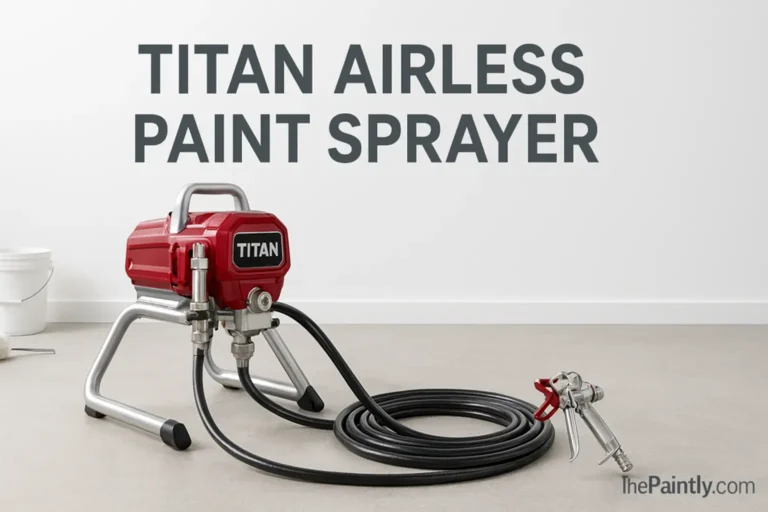
If you searched “airless” because you have real square footage to cover, these are the machines to compare instead:
| Model | Best For | Check Price |
|---|---|---|
| Graco Magnum X7 | Whole-house interiors + exteriors, cart-mounted | Check Price on Amazon → |
| Wagner Control Pro 130 | Lower overspray HEA spraying for rooms | Check Price on Amazon → |
| Titan ControlMax 1900 PRO | Frequent large projects, more duty cycle | Check Price on Amazon → |
I break down the Graco line in my Graco Magnum review and the Wagner ecosystem in the Wagner airless guide — both go deeper than the table above.
Final Verdict: Should You Buy One?
Buy the IR gun for finishing. Buy a pump for painting.
The 270G is a legitimate automotive-grade finishing gun at a fair price — if you own the compressor to feed it and your projects fit on a bench or a fender. If your project is measured in rooms or walls, nothing here is your tool: get a Graco Magnum X7 and never look back.
Frequently Asked Questions
Does Ingersoll Rand make a true airless paint sprayer?
Not for consumers. Its industrial ARO division builds airless equipment for factories, but everything sold to DIYers — the 270G, 210G, and 200G — is a compressed-air HVLP or gravity-feed gun.
What compressor do I need for the Ingersoll Rand 270G?
Plan on 6–10 CFM of continuous delivery at 40 PSI. Small pancake compressors cannot sustain that — the gun will sputter as tank pressure drops mid-pass.
Can I paint walls with an Ingersoll Rand spray gun?
Technically yes, practically no. A cup-fed HVLP gun covers walls at a fraction of airless speed with constant refills. Use a pump-driven airless sprayer for rooms and exteriors.
Is the 270G good for painting a car at home?
Yes — that is its natural job. With a properly sized compressor, strained paint, and two thin coats it produces near-professional automotive results.
What PSI should I run an IR HVLP gun at?
Most finishes atomize well between 30 and 50 PSI measured at the gun with the trigger pulled. Set pressure dynamically, not from the static tank gauge.
Ingersoll Rand 270G vs Graco Magnum X7 — which should I buy?
Different categories: the 270G is a finishing gun for panels and furniture; the X7 is an airless pump for rooms and exteriors. Choose by project size, not brand.