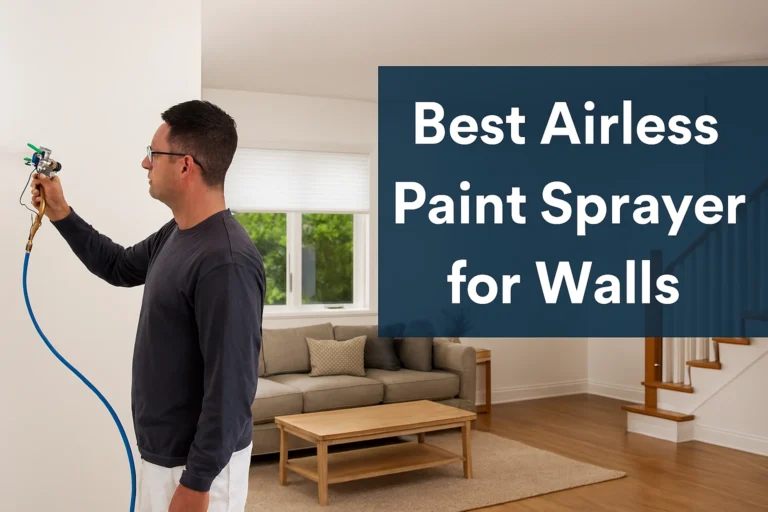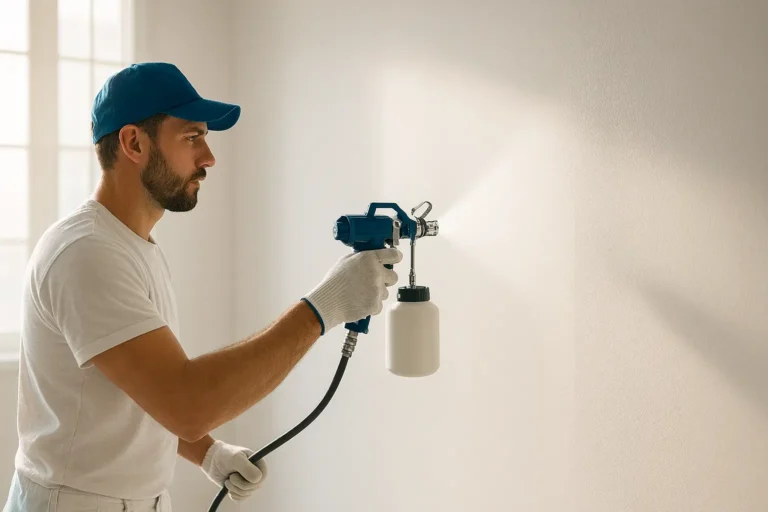
Is the Ingersoll Rand Airless Sprayer Worth It?
When it comes to paint spraying, Ingersoll Rand is a name trusted for decades in air tools and finishing systems. But there’s often confusion around one specific keyword.
Let’s clear the fog is there really an airless sprayer from Ingersoll Rand? And if so, is it worth your money?
This detailed review covers everything you need to know , from how it performs to real user pros and cons, plus alternative recommendations if you’re looking for true airless performance.
What Exactly Is the “Ingersoll Rand Airless Sprayer”
Ingersoll Rand is known for compressed-air-driven spray systems (HVLP and gravity-feed spray guns) , not traditional pump-based airless sprayers.
So when you search for “Ingersoll Rand Airless Sprayer,” you’re likely referring to their professional spray guns that deliver near-airless performance through precision atomization.
The most popular models include:
- Ingersoll Rand 270G Edge Series HVLP Spray Gun
- Ingersoll Rand 210G Gravity Feed Spray Gun
- Ingersoll Rand 200G Spray Gun Kit
While these aren’t truly airless like Graco Airless Sprayers or Wagner Sprayers, they’re air-assisted guns that provide exceptional control, fine finish quality, and long-term reliability.
Why People Confuse It with Airless Sprayers
The reason is simple , performance overlap.
Ingersoll Rand’s HVLP guns deliver smooth, uniform coats with minimal overspray, similar to what many expect from airless sprayers. But they achieve this with compressed air, not high-pressure pumps.
So before buying, understand this:
- Excellent for furniture, automotive, cabinetry, doors, and indoor trim
- Not ideal for large-scale walls, fences, or exterior painting
If you’re planning to paint walls or ceilings, you might prefer reading Best Way to Paint a Ceiling for better guidance.
Ingersoll Rand 270G HVLP Gravity Feed Spray Gun
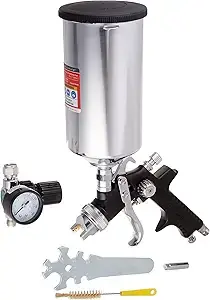
Key Features:
Pros:
Cons:
Verdict: The Ingersoll Rand 270G is ideal if you want automotive-grade finish quality at home or in your workshop.
It’s not a wall-painting machine. You can compare it against Best Professional Airless Paint Sprayers to see which fits your needs best.
Ingersoll Rand 210G Spray Gun – Compact Yet Capable
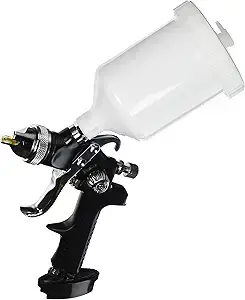
Key Features:
Pros:
Cons:
Verdict: If you want a budget-friendly spray gun that still carries Ingersoll Rand’s quality, the 210G is a solid pick. It’s precise, easy to handle, and perfect for small or medium DIY tasks. Wagner Airless Paint Sprayer if you’re curious how it compares in affordability and convenience.
What’s the Difference Between Airless and HVLP
| Feature | Airless Sprayer | HVLP / Ingersoll Rand 270G |
|---|---|---|
| Paint Delivery | Hydraulic pressure | Compressed air |
| Finish Quality | Great for walls | Superior for detail/fine finish |
| Overspray | More | Less |
| Setup | Plug & spray | Requires compressor |
| Best For | Walls, fences, ceilings | Furniture, cabinets, cars |
Conclusion: If you want speed and coverage, go airless .
Expert Tips for Best Results
Recommended Alternatives (True Airless Options)
If you specifically want a real airless sprayer for large projects, consider:
Final Verdict: Should You Buy It
If your goal is precise, controlled painting , not speed , the Ingersoll Rand 270G or Ingersoll Rand 210G deserves a place in your toolkit.
It’s built for professionals who value finish quality over speed.
But if you’re painting entire walls, decks, or exteriors, go for a true airless pump system instead.
Bottom Line: Buy it if you want professional finishes on furniture, auto parts, or cabinets.
Skip it if you’re painting large areas or don’t own a compressor.
The Ingersoll Rand Airless Sprayer (HVLP line) proves that not every great paint job needs brute pressure , sometimes precision wins.