
10 Best Paints for a Bathroom Ceiling to Prevent Mold
For most bathroom ceilings, use a mold-resistant finish such as Zinsser Perma-White in satin or semi-gloss, or a ceiling-specific paint with a mildew-resistant film like Zinsser Ceiling Paint & Primer in One in a bathroom with a good fan. Then keep the shower off for a full day after the last coat and run the extractor fan after every shower from then on. Paint slows mold down; ventilation is what stops it.
The first time I painted a bathroom ceiling, I used the leftover flat wall paint from the bedroom. Eight months later it was flaking off in sheets above the shower head, and behind the flakes were the first gray freckles of mold. A bathroom ceiling is not a dry-room ceiling, and the paint has to be chosen for steam.
Why Bathroom Ceilings Fail Faster Than Walls
Steam rises and condenses on the coldest surface in the room, which is usually the ceiling. That creates a wet-dry cycle every time someone showers. Ordinary flat ceiling paint is porous, so it soaks that moisture up instead of shedding it, and over months the film softens and lets go, starting near the shower. Mold then grows in the damp film and on the paper face of the drywall behind it.
Two things fix it together: a paint whose dried film resists mildew and sheds water, and an extractor fan that clears the steam before it sits on the ceiling for an hour. Either one on its own buys you a little time; both together are what make a bathroom ceiling last.
Flat, Satin or Semi-Gloss Overhead?
Flat ceiling paint hides seams and patches, which is why it is the default in dry rooms. In a bathroom it is the weak choice, because the more sheen a film has, the less water it absorbs and the easier it wipes clean. My rule: flat only in a powder room with no shower, satin for a normal family bathroom, and semi-gloss directly above a walk-in or steam shower. The higher sheen does show ceiling imperfections more, so fill and sand before you paint.
When NOT to Just Paint Over It
- The ceiling already has active mold. Clean it off first with detergent and water, let it dry completely, and find out why it grew. Paint over live mold and it comes back through the new film.
- A water stain keeps coming back. That is a leak, not a paint problem. Fix the leak, then seal the stain with a stain-blocking primer before the topcoat.
- The drywall is soft or sagging. Paint cannot hold up a ceiling. That section needs replacing.
- The extractor fan does not work or vents into the attic. Fix that first. No paint survives steam with nowhere to go.
The list below covers ten products people reach for on bathroom ceilings, including primers and two cans that belong on the metal parts of the room rather than the ceiling itself. I say plainly which is which. Related: best ceiling paint for dry rooms, and best paint for a shower ceiling if the ceiling is inside the shower enclosure itself.
Best Paints for Bathroom Ceiling To Prevent Mold- Reviews
Here is how the ten compare, in the order people usually find them, with the job each one is actually suited to.
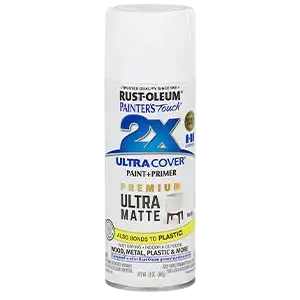
1. Rust-Oleum 331181-Spray Paint
Specifications
An honest note first: this is a general-purpose spray paint, not a ceiling paint, and it has no mold-resistant film. Where it earns a place in a bathroom is on the small parts that look tired next to a fresh ceiling: the fan grille, vent covers and light fittings, taken down and sprayed outside in thin coats. Leave the ceiling itself to a roller and one of the mold-resistant paints below.
- General-purpose spray paint
- Oil-based formula
- Fast drying
- Excellent imperfection hide
- Protective 2X coverage
- Applicable for both interior and Exterior
- Variety of colors and finishes available
- Do not apply on the greasy surface
- May have temperature effect
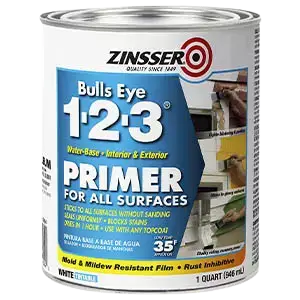
2. Rust-Oleum 2004-Zinser Bulls Eye
Specifications
This is a primer, not a finish coat. Bulls Eye 1-2-3 is the water-based primer I use over patched or bare spots and on old glossy paint, so the topcoat has something to grip. On a bathroom ceiling it goes under one of the mold-resistant finishes on this list, never as the last coat.
- Excellent resistance against rust
- Prevent mold and mildew
- High coverage
- Excellent durability
- Work for almost any application
- Applicable for interior/ exterior
- Prevent peeling off
- Primer only; it needs a finish coat
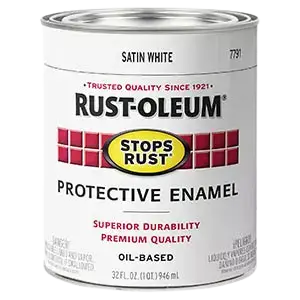
3. Rust-Oleum 7791502-Protective Enamel Paint
Specifications
Another honest note: this is a rust-preventive enamel for metal, not a ceiling paint. In a bathroom it is the right can for a steel radiator, a rusty vent cover or metal shelf brackets after a wire brush. Do not roll it onto a drywall ceiling.
- Gloss protective enamel spray
- Provide superior coverage
- UV resistance
- General-purpose spray paint
- Prevent rust
- Maximum durability
- Withstands weather conditions
- May have a bad odor
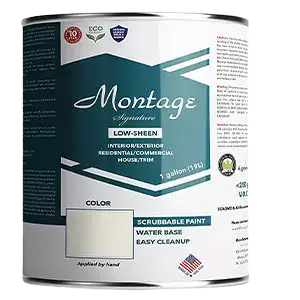
4. Montage Signature Paint
Specifications
Montage Signature is a recycled latex paint, reprocessed from leftover paint, sold for interior and exterior use in low-sheen and semi-gloss. It is a reasonable eco choice for a powder room or a well-ventilated bathroom. For a steamy shower room I would still pick a paint that is made and tested for mildew resistance.
- Semi-gloss and low-sheen finish
- Great coverage per unit volume
- Available in several sizes and colors
- Reduced VOCs emission and odor
- Environment-friendly paint
- For commercial use
- Best for both interior and exterior use
- Increased durability
- Low stain coverage
- Require more than one coat
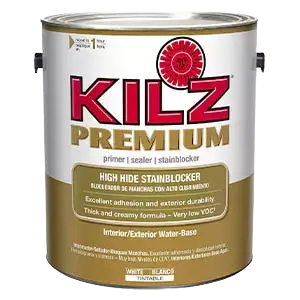
5. KILZ Premium-High Hide Stain Blocking
Specifications
A water-based stain-blocking primer. It covers light water rings and evens out patched areas before the finish coat, and it is a sensible first coat on a bathroom ceiling that has been repaired. Treat it as the primer, then topcoat with a mold-resistant finish.
- Excellently covers imperfections
- Smooth level finish
- Stave off ceiling stains
- Single coat for minor stains
- Decorative finish
- One hour of dry time
- Great covers per gallon
- Applicable with a brush only
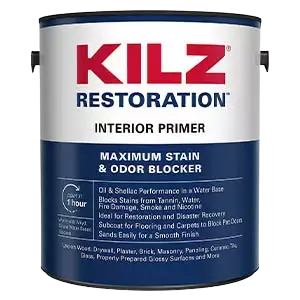
6. KILZ Restoration-Stain and Odor Blocking
Specifications
KILZ’s heaviest water-based stain and odor blocker. It is the primer for a ceiling with a water stain that kept coming back before the leak was fixed, or for smoke and nicotine staining. Not a finish coat.
- Excellently covers imperfections
- Smooth level finish
- Stave off ceiling stains
- Seals heavy water stains
- Single coat for minor stains
- Decorative finish Great covers per gallon
- Do it yourself application
- One hour of dry time
- Require smooth surface
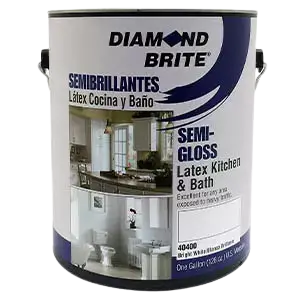
7. Diamond Brite Paint 40400
Specifications
A kitchen-and-bath semi-gloss white made for rooms with steam and splashes, with mildew protection in the film. It is a lower-cost alternative to Perma-White where you want a wipeable sheen overhead.
- Excellently covers imperfections
- Smooth level finish
- One hour of dry time
- Do it yourself application
- Decorative finish
- Great covers per gallon
- Single coat for minor stains
- Reduce brown spotting
- Do not dispose to drain
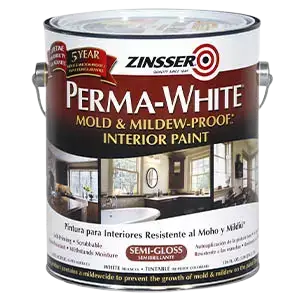
8. Zinsser Perma-White Mold and Mildew-Proof Interior Paint (Semi-Gloss)
Specifications
This is the one I would put on most bathroom ceilings. The cured film is guaranteed mold- and mildew-proof for five years, it is self-priming on clean, sound surfaces, and the semi-gloss sheds condensation instead of soaking it up. Apply thin coats overhead, because semi-gloss runs if you load the roller, and keep the shower off for a full day after the last coat.
- Gloss protective paint
- Water-based paint
- Provide superior coverage
- Prevent moisture
- Maximum durability
- Decorative finish
- Withstands weather conditions
- Resist fade and stains
- Require seven days of protection
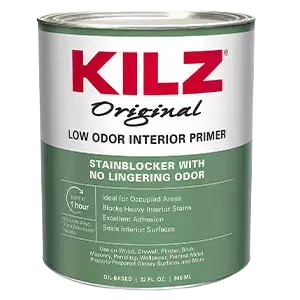
9. KILZ Odorless Interior Oil-Based Primer
Specifications
An oil-based stain-blocking primer with far less smell than standard oil primers. It is for the stubborn water and smoke stains that bleed through water-based primers. Ventilate anyway, because low odor does not mean no fumes, and topcoat with a mold-resistant paint.
- Excellently covers imperfections
- Smooth level finish
- Stave off ceiling stains
- Single coat for minor stains
- Decorative finish
- Great covers per gallon
- 30 minutes of dry time
- Excellently covers imperfections
- Not recommended for mildew
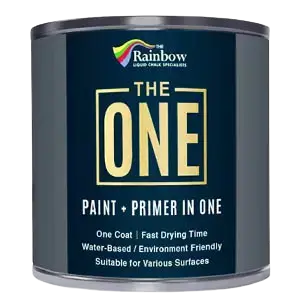
10. The One Paint And Primer
Specifications
A paint-and-primer sold for interior and exterior use. It is fine for dry rooms, but on a bathroom ceiling I would rather pay for a film that is tested against mildew, like the Perma-White above.
- Great single coat coverage
- Provides a wide variety of colors
- Water-based paint
- Environment friendly
- Prevent moisture
- Non-toxic, easily removable
- Decorative finish
- Low VOCs
- Suitable for both indoor and outdoor application
- Primer only; it needs a finish coat
The Instruction on the Tin Nobody Follows: Don’t Shower for 24 Hours
Here is the line buried in Rust-Oleum’s own Perma-White data sheet, and I have never seen it quoted in a bathroom ceiling article: if the paint is applied near a shower, wait 24 hours before using that shower, and do not scrub the surface for seven days.
That instruction explains a failure I used to blame on the paint. Latex is touch-dry in an hour or two, and the natural assumption is that touch-dry means finished. It does not. Touch-dry means the water has left the surface; what has not happened yet is coalescence — the acrylic particles fusing into one continuous film. Steam a ceiling that is touch-dry but uncoalesced and the moisture goes into a film that has not closed up yet. The paint looks fine for a fortnight and then blisters in a patch directly over the shower head, which everyone reads as “this paint is not good enough for a bathroom.” It was. It was used four hours too early.
So the real sequence for a bathroom ceiling is not a weekend job squeezed around normal use. Paint it, then keep every hot shower out of that room for a full day — use another bathroom, or paint on a morning when the house can go a day without it. Then treat the ceiling gently for a week: no scrubbing, no wiping condensation off it, fan running after every shower. Seven days of restraint is the cheapest durability you will ever buy, and it costs nothing but planning.
💡 Sophie’s timing rule
I paint bathroom ceilings on a Saturday morning now, never a Sunday evening. Saturday morning gives the film all of Saturday and Saturday night before anyone needs the shower on Sunday, and it puts the seven-day gentle window inside a normal week rather than across a busy weekend. The one time I did it on a Sunday night, someone showered before work at six the next morning and I was back on the ladder a month later.
The Paint Is Only Half the Fix: Size the Extractor Fan
Here is the part most bathroom ceiling articles leave out. Mildew-resistant paint slows a mould colony down; it does not stop steam from sitting against the ceiling for an hour after a shower. If the paint keeps failing in the same spot, the extractor fan is undersized or vented into the loft rather than outside — and no coating survives that.
The rule I use: for a bathroom under 100 square feet, take one cubic foot per minute of fan capacity for every square foot of floor. A 7 by 9 foot bathroom is 63 square feet, so a 70 CFM fan is the minimum and 80 CFM is the sensible buy. Add 50 CFM for a jetted tub and another 50 for an enclosed shower cubicle. Then run the fan for a full 30 minutes after the shower stops — the same figure Family Handyman gives above, and the point at which the ceiling actually dries. It is the single cheapest thing you can do to make the paint last. Technique matters too — our guide to painting a ceiling properly covers the roller work.
Two checks worth doing before you open a tin: put a sheet of tissue against the running fan grille and see whether it holds — if it drops, the fan is not moving air. And look in the loft to confirm the duct exits through a roof or wall vent rather than dumping warm wet air into the roof space, which is how ceiling mould comes back through fresh paint within one winter.
How to Paint a Bathroom Ceiling Without Drips
Step 1 — Choose the Right Roller Nap
Use a 3/8″ nap roller for smooth ceilings and 1/2″ for textured surfaces. Avoid cheap foam rollers — they create bubbles on ceilings and drip constantly. A quality microfiber roller holds more paint with less drip.
Step 2 — Load the Roller Correctly
Don’t overload. Half-load the roller in the tray, roll it on the ribbed section until it stops dripping, then apply overhead. An overloaded roller drips regardless of the paint formula. This single technique eliminates 80% of ceiling drip complaints.
Step 3 — Work in 3-foot sections
Apply paint in a W-pattern across a 3×3 foot section, then fill in without lifting the roller. Work across the room in strips rather than randomly. Overlap each strip slightly while the previous section is still wet — this prevents lap marks.
Step 4 — Two Coats, Ceiling Fan Off
Turn the bathroom fan and any ceiling fan off during application — airflow creates uneven drying and lap marks. Let the first coat dry the full 2 hours before the second. The fan goes back on 30 minutes after the final coat is applied.
Buying Guide
Most of what decides whether a bathroom ceiling holds up happens before the paint goes on: a clean, dry, sound surface, a working fan, and the right sheen. The five checks below are the ones I run through every time.
Surface Texture
Look closely at what you are painting over. Smooth drywall takes a 3/8-inch nap roller; a textured or popcorn ceiling needs a thicker nap and eats more paint per square foot, so buy for the low end of the coverage on the can. Peeling or flaking areas have to be scraped back to sound paint and feathered first, or the new coat peels with them.
Paint Quality
For a bathroom ceiling, the quality marker that matters is a mildew-resistant or mold-proof film, stated on the can, rather than vague claims on the front label. After that, look for a finish with some sheen, good hide in two coats, and a formula you can wipe down once it has cured.
Paint Consistency
Ceiling paints are made thicker so they stay on the roller overhead. Wall paints used on a ceiling, including some mold-proof ones, drip more readily, so load the roller lightly, roll it out on the tray until it stops dripping, and work in small sections.
Applicator
A roller on an extension pole is the right tool for almost every bathroom ceiling. A sprayer saves little in a small room once you count the masking, and it puts mist into a space you are trying to keep dry. Use an angled brush only to cut in around the edges and the fan housing. My guide on the best way to paint a ceiling covers the roller work.
Paint Coating
Plan two coats of the finish over a primed or sound surface, with the full recoat time on the can between them. Two thin coats sit better overhead than one heavy one, and they cure into a tighter film, which is exactly what you want against steam. If you are fighting the clock between coats, how to make paint dry fast has the airflow tricks.
FAQs
The questions I get asked most about bathroom ceilings.
How long after painting a bathroom ceiling can I shower?
Wait a full 24 hours. Latex is dry to the touch within an hour or two, but the film has not finished fusing, and steam on an unfused film is what causes blisters over the shower a few weeks later. Go gently on the ceiling for the first week too: no scrubbing, fan on after every shower.
Should bathroom ceiling paint be flat or satin?
Satin for a normal bathroom with a shower, semi-gloss directly above a walk-in or steam shower, and flat only in a powder room with no shower. More sheen means less water soaks into the film.
Conclusion
Pick the paint for the steam, not the color chart: a mold-resistant finish with some sheen over a sound, primed surface. Then do the two things no paint can do for you. Keep the shower off for a full day after the last coat, and run a properly sized extractor fan after every shower for about half an hour. Do those and a bathroom ceiling lasts years instead of months.
About the author — Sophie Ulman
Sophie Ulman has renovated and painted more rooms than she can count — and made every mistake in the book so you don’t have to. She focuses on real-world durability: not how products perform on day one, but whether the repair holds through a full seasonal cycle.






Looking for spray ceiling white 16oz latex that would be mold resistant.