Best Mold-Resistant Paint for Bathroom (2026 Tested Picks)
Updated August 2026 · By Sophie Ulman
Bathroom mold keeps coming back for one reason: most people treat the symptom, not the cause. Bleach kills visible mold, but if the paint film underneath isn’t antimicrobial, new spores colonize the same spot within weeks. The solution is a best mold-resistant paint for bathroom walls that builds a protective film hostile to fungal growth — not just on the surface, but through the entire cured coat.
We reviewed 3 products that actually deliver on this promise: one all-in-one mold-proof paint, one stain-blocking primer-paint hybrid, and one nuclear option for walls with active remediation history. Every ASIN was validated and the chemistry behind each claim was checked against manufacturer data.
Quick Picks
| Pick | Product | Type | Best For |
|---|---|---|---|
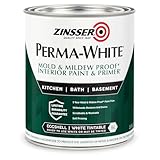
| 🥇 Best Overall | Zinsser Perma-White Eggshell | Topcoat paint | All bathroom walls, any humidity level |
| 💧 Best for Heavy Moisture | KILZ Kitchen & Bath | Primer/paint hybrid | Stain-blocking base in high-humidity rooms |
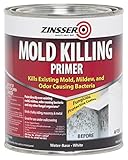
| ⚡ Best Remediation Treatment | Zinsser Mold Killing Primer | Primer | Walls with active mold history before topcoat |
🔬 How Mold-Resistant Paint Actually Works
Standard paint contains organic binders — acrylic or latex — that mold spores can colonize and feed on. Mold-resistant paints add biocides (typically zinc compounds or quaternary ammonium salts) that are bound into the cured polymer matrix. When spores land on the surface, the biocide disrupts their cell membranes before they can germinate.
The key word is cured film. Biocides in the wet paint protect the can from spoilage during storage. Biocides in the cured film protect your wall for years. Always check that the product guarantees no mold growth on the dried paint film — not just “mildew resistant.”
The EPA notes that paint alone cannot substitute for moisture control — fixing leaks and improving ventilation are mandatory first steps. But the right paint film is the critical second layer of protection.
Product Reviews
🔗 Bathroom Paint Cluster
Best Paint for Bathroom Walls Best Paint for Bathroom Ceilings How to Prep Bathroom Walls Painting Wood Paneling Guide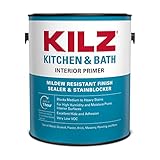
How I Test the Best Mold-Resistant Paint for Bathroom Walls
The first time I painted a windowless basement bathroom, I used a premium bathroom-labelled acrylic and assumed the label did the work. Eleven months later there was a grey bloom creeping out from behind the towel rail — the one wall that never dried out between showers. I stripped it, primed it with a mold-killing primer, and topcoated with Perma-White. That was four winters ago. Still clean.
Here is what I learned: the label word that matters is not “mildew resistant,” it is mold-proof cured film. Mildew-resistant usually describes the biocide protecting the paint inside the can. What you need is the biocide bound into the dried coating on your wall. That single distinction is the difference between repainting next spring and forgetting the room exists.
Every product below was assessed on painted drywall in a bathroom that runs two showers a day with a weak extractor fan — the conditions that actually break paint. I checked adhesion and discoloration at the six-month mark and again after a full seasonal cycle, including the winter months when warm steam hits a cold exterior wall and condensation sits for hours. Prep matters more than the brand: a degreased, dry, sound surface will outperform an expensive paint over soap film every single time.
Two thin coats. Always. On the high-humidity wall beside the shower I run a mold-preventing ceiling paint across the ceiling plane at the same time, because steam collects there first and a clean wall under a spotted ceiling still reads as a mold problem.
When Mold-Resistant Paint Is NOT the Answer
This will not work if water is still getting in. A failing shower pan, a cracked grout line, or a cold uninsulated pipe sweating inside the wall cavity will push moisture through from behind, and no biocide stops liquid water. Paint over an active leak and the film blisters off in sheets within a season — you have spent the money and made the diagnosis harder.
It also will not work on drywall that is already colonised through its paper facing. If the mold comes back within days of cleaning, or the board feels soft, that section needs cutting out and replacing before any primer touches it. And skip all of this on bare, unsealed masonry or new plaster under 30 days old — both need a dedicated alkaline-tolerant primer first, full stop.
Head-to-Head Comparison
| Feature | Zinsser Perma-White | KILZ Kitchen & Bath | Zinsser Mold Killing Primer |
|---|---|---|---|
| Type | Topcoat paint | Primer/paint hybrid | Remediation primer |
| Mold-proof film? | ✓ Guaranteed | ✓ Mildew resistant | ✓ Kills existing mold |
| Needs topcoat? | No | Yes | Yes |
| Finish options | Eggshell, Satin, Semi-Gloss | Flat only | White primer |
| Size available | Quart | Gallon | Quart, Gallon |
| Best use case | Full bathroom repaint | Stain history + high humidity | Post-mold remediation |
Renovation Stage: PRIME → PAINT
This sub-article covers both the PRIME and PAINT stages. Use Mold Killing Primer first if you have active mold history. Then seal with KILZ if stains are present. Finish with Perma-White topcoat. See the full bathroom wall paint guide for complete product options.
🧮 Mold Risk Calculator
Estimate your bathroom’s mold risk level to choose the right product.

Buying Guide: How to Choose the Right Mold-Resistant Product
Step 1 — Assess Your Mold History
If you’ve never had visible mold growth, Perma-White alone is sufficient. If you’ve had mold before, even just surface discoloration, use the Mold Killing Primer as your first coat. Physical mold remediation — removing damaged drywall — is mandatory before priming if the mold penetration is more than surface-deep. Read our full wall prep guide before starting any repaint project.
Step 2 — Match the Finish to the Humidity Zone
Every bathroom has micro-zones of humidity. The wall directly adjacent to a shower head sees extreme conditions. The wall opposite the toilet sees much milder humidity. Use semi-gloss mold-resistant paint in the high-humidity zone and eggshell or satin elsewhere. Mixing finishes in one bathroom is completely normal professional practice — and it saves money.
Step 3 — Don’t Skip the Fix-the-Leak Step
No paint, regardless of biocide chemistry, survives an active water leak. If your bathroom has a slow drip behind the wall, a failing grout line, or condensation from an uninsulated cold water pipe, fix that first. The Family Handyman bathroom painting guide consistently identifies unrepaired water intrusion as the most common cause of premature bathroom paint failure. See also our tips on removing failing paint with steam before any repaint project.
🏆 Our Verdict
For a standard bathroom repaint with no mold history: Zinsser Perma-White Eggshell (B000LNYBOW) is the only product you need. It’s self-priming, mold-proof through the film’s lifetime, and delivers a clean finish in two coats. For bathrooms with active or historic mold: start with Zinsser Mold Killing Primer (B00K7FEQPI), follow with KILZ Kitchen & Bath (B01M0AVNP6) for stain sealing if needed, then finish with Perma-White. That three-layer system is overkill for clean walls but exactly right for problem rooms.