Best Paint for Metal Drop Ceiling Grid
Painting a metal drop ceiling grid is one of the most cost-effective ways to refresh a space, whether it’s in an office, basement, or commercial setting. Instead of replacing the entire system, you can transform it with the best paint for metal drop ceiling grid giving it a cleaner, brighter, and more modern look.
This guide will walk you through how to choose the right metal drop ceiling grid paint, the best products on the market, and a step-by-step method for painting drop ceiling grid like a pro.
Why Paint a Metal Drop Ceiling Grid?
Over time, metal ceiling grids can fade, rust, or become stained. Replacing them is expensive and time-consuming, but painting offers several benefits:
- Improved appearance: Matches the paint drop ceiling tiles for a unified look
- Extended lifespan: Protects against corrosion and moisture damage
- Cost savings: Much cheaper than a full replacement
- Custom style: Choose colors and finishes that fit your interior
If you also plan to update the ceiling tiles, check out this guide on the best ceiling paint color for inspiration.
What to Look for in the Best Paint for Drop Grid
When selecting the best paint for drop grid, consider the following factors:
- Adhesion to metal – The paint must bond well without peeling or chipping.
- Rust resistance – Essential for grids in damp or humid environments.
- Low-drip formula – Prevents messy lines and uneven coats.
- Color matching – Blends with ceiling tiles for a consistent look.
- Ease of application – Works well with brushes, rollers, or spray.
For some projects, you may also need to paint the tiles themselves. If so, this resource on the best paint for acoustic ceiling tiles can help.
Best Paints for Metal Drop Ceiling Grids
After researching top-rated options and customer reviews, here are some of the most recommended paints for ceiling grids.
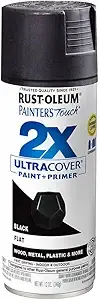
1. Rust-Oleum Painter’s Touch 2X Ultra Cover Spray Paint
Why it’s great: This spray paint adheres beautifully to metal and provides excellent coverage with fewer coats. It’s fast-drying, available in multiple finishes, and resists chipping.
Pros
- Excellent adhesion to metal
- Quick drying
- Smooth, even finish
Cons
- Spray nozzle can clog if not cleaned properly
- Overspray requires careful masking
2. Krylon Fusion All-In-One Spray Paint
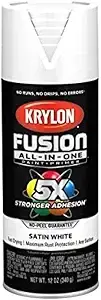
Why it’s great: Known for its primer + paint formula, Krylon Fusion is ideal for painting drop ceiling grid without a separate primer. It’s also rust-resistant and durable.
Pros
- No primer needed
- Rust protection included
- Wide range of colors
Cons
- Best results with multiple light coats
- Slight odor during application
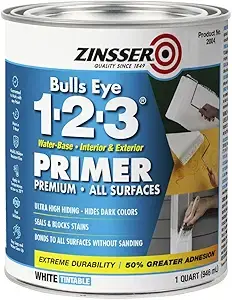
3. Zinsser Bulls Eye 1-2-3 Primer + Ceiling Paint
Why it’s great: Perfect if your grid has rust spots or discoloration. This primer-paint combo seals stains and provides a solid base for your topcoat.
Pros
- Excellent stain blocking
- Works on both metal and ceiling tiles
- Fast-drying
Cons
- Requires a topcoat for a polished finish
- Limited color options
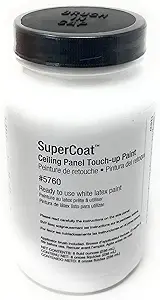
4. Armstrong Touch-Up Paint for Ceiling Grid
Why it’s great: Specifically designed for ceiling grid touch-ups, this latex paint blends seamlessly with USG and Armstrong systems.
Pros
- Perfect color match for standard grids
- Easy to apply with a small brush
- Low odor
Cons
- Better for small repairs than full repaints
How to Paint a Metal Drop Ceiling Grid
Step 1: Remove or Protect Ceiling Tiles
If possible, remove the tiles. If not, cover them with cardboard or painter’s tape to prevent overspray. For clean edges, check out this guide on painting edges between wall and ceiling.
Step 2: Clean the Grid
Dust, dirt, and grease can prevent paint from sticking. Wipe the grid with a damp cloth and mild cleaner, then let it dry.
Step 3: Apply Primer
If you’re not using a paint-and-primer product, apply a metal primer to ensure better adhesion and rust prevention.
Step 4: Paint the Grid
- Spray Paint: Use even, sweeping motions to avoid drips.
- Brush or Roller: Apply thin coats for a smoother finish.
Step 5: Apply Multiple Coats
Two to three light coats are better than one heavy coat. Allow proper drying time between coats. This guide on how to make paint dry fast can speed up the process.
Step 6: Reinstall Tiles
Once the paint is fully dry, reinstall your ceiling tiles and enjoy the refreshed look.
Tips for Painting USG Drop Ceiling Systems
If you have a USG grid, the process is the same, but use paints known to match standard USG white. Products like Armstrong Touch-Up Paint are formulated for this purpose, making them ideal for usg paint drop ceiling projects.
Maintenance After Painting
- Dust regularly with a microfiber cloth.
- Avoid harsh cleaning chemicals.
- Touch up small chips promptly to prevent rust.
For general home painting advice, you can also explore the benefits of painting your home.
Final Thoughts
The best paint for metal drop ceiling grid is one that adheres strongly, resists rust, and provides a smooth finish. Spray paints like Rust-Oleum and Krylon Fusion are excellent for full coverage, while Armstrong Touch-Up Paint is great for minor fixes.
By following the right preparation steps and using quality products, you can transform your ceiling grid into a sleek, durable, and stylish feature—without the cost of replacement.
Can You Paint a Drop Ceiling Grid Without Taking the Tiles Out?
You can, and people do, and it is almost always the slower route. The grid is a narrow target surrounded by porous tile that shows every mark, so painting in place means either meticulous masking or accepting overspray on tiles you will then want to replace.
The grid itself is the easy part of the job once it is accessible. It is usually a painted or coated steel T-bar, which means the surface is slick and needs the same treatment as any factory-finished metal: clean it, scuff it, and prime it with a bonding or metal primer before the topcoat. Skipping the scuff on a coated grid is the standard failure, and it shows up as paint that chips off the edges wherever a tile is lifted afterwards.
The efficient sequence is to drop the tiles rather than remove them entirely. Push each tile up and slide it to sit at an angle within its opening, so the grid is exposed on all faces and the tiles are out of the spray path but never leave the room. Then brush or spray the grid, let it cure properly, and set the tiles back down. This takes a fraction of the time that masking every tile edge would, and it gives you a clean line on the grid flange where the tile sits.
Spraying is much faster than brushing on a grid, because the shape is fiddly and a brush leaves marks along the flat faces. If you spray, mask the walls and anything below, and accept that the room needs to be genuinely covered rather than partially protected – a grid job is mostly masking time and a little painting time.
The finish choice matters more than people assume. A satin or semi-gloss holds up better than a flat on a surface that gets touched every time a tile is lifted for access, and it cleans without burnishing. Flat paint on a grid marks at every handling point and looks tired quickly in a commercial or basement setting where the ceiling is opened regularly.
When Painting the Grid Is Not the Right Fix
A repainted grid transforms a tired suspended ceiling cheaply. These are the cases where it will not deliver.
- Where the grid is rusting. Surface rust needs removing and a rust-inhibitive primer, and a grid rusting through from a leak needs replacing rather than painting.
- When the tiles are the problem. Stained, sagging or water-damaged tiles dominate the look. A crisp new grid around bad tiles makes the tiles look worse, not better.
- Over a leak you have not traced. Suspended ceilings hide plumbing. Stains on tiles or grid mean water above; find it before you paint anything.
- With flat paint in a ceiling opened regularly. Every tile lift marks a flat finish. Use satin or semi-gloss where access is routine.
- Without scuffing a coated grid. Paint on an unscuffed factory coating chips off the flange edges the first time tiles are handled.
Frequently Asked Questions
Do you have to remove ceiling tiles to paint the grid?
No. Push each tile up and tilt it within its own opening so the grid is exposed on all faces. The tiles stay in the room, nothing needs masking, and you get a clean line where the tile sits back down on the flange.
What kind of paint works on a metal drop ceiling grid?
Any quality topcoat will do once the grid is prepared, but the preparation decides it: clean, scuff the factory coating, and use a bonding or metal primer. A satin or semi-gloss finish handles repeated tile lifting better than a flat.
Should you spray or brush a suspended ceiling grid?
Spraying is considerably faster and gives a cleaner result on the fiddly T-bar profile, but it needs the room properly masked. Brushing avoids the masking but leaves visible marks along the flat faces and takes far longer.
Do you need to prime a drop ceiling grid before painting?
Yes. The grid carries a slick factory coating that paint will not grip reliably. Scuff it and apply a bonding or metal primer, or the paint chips off the edges the first time a tile is lifted.
Can you paint a rusty ceiling grid?
Only after dealing with the rust. Remove loose corrosion and use a rust-inhibitive primer. If the grid is rusting because of an ongoing leak, find the water source first – and a grid rusted through needs replacing.
What sheen should you use on a drop ceiling grid?
Satin or semi-gloss. The grid is touched every time a tile is lifted for access, and a flat finish marks and burnishes at those points. A slight sheen cleans without leaving shiny patches.
About the author: Sophie Ulman has renovated and painted more rooms than she can count — and made every mistake in the book so you don’t have to. She focuses on real-world durability: not how products perform on day one, but whether the repair holds through a full seasonal cycle.