Best Power Paint Roller: Make Painting Faster, Cleaner, and Easier
Painting walls or ceilings can be satisfying, but it’s also one of the messiest and most tiring parts of any renovation. Dipping your roller in a tray over and over again slows you down and leaves room for drips and uneven coverage.
That’s why more DIYers and pros are turning to the best power paint roller systems. These tools feed paint directly to your roller so you can coat more area in less time with less mess. If you’re planning to tackle a large ceiling or wall, it’s worth learning the best way to paint a ceiling first so you know how to work cleanly with a power system overhead.
What Is a Power Painter Roller?
A power painter roller uses either an electric pump or a manual feed handle to push paint directly onto the roller cover. Instead of constantly bending down to dip your roller, you can paint continuously without interruption.
These systems are especially useful for:
- Large walls and ceilings
- Multi-room projects
- High or vaulted spaces
Unlike traditional rollers, they drastically cut down on fatigue and help maintain consistent coverage throughout the job.
What to Look for in the Best Electric Power Paint Roller
Before you invest in a best electric power paint roller, focus on a few key features that make a huge difference in real-world use.
Paint Feed Type
Pump-fed systems pull paint directly from the can, while inner-feed models store paint inside the handle. Pump systems are faster, but they require more cleaning. If you’re painting several rooms at once, knowing how long it takes to paint a room can help you choose between speed-focused or simpler models.
Roller Size and Nap
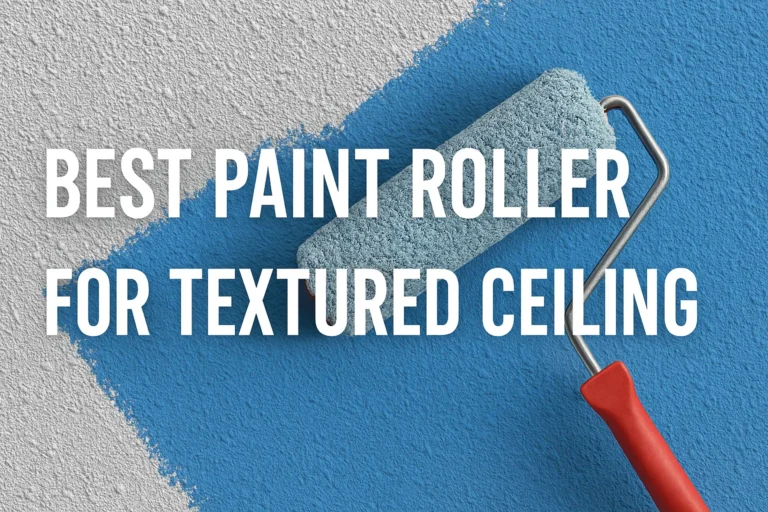
Use larger rollers for big, flat walls and smaller rollers for trim or tight areas. Choose short nap for smooth surfaces and long nap for textured walls or ceilings.
Power Source
Electric and battery-powered rollers provide consistent flow. Manual feed models are lighter and simpler but require more physical effort.
Cleaning and Maintenance
Some systems include self-cleaning modes, while others need to be fully disassembled. Make sure parts are easy to rinse and unclog, or dried paint will ruin performance.
Best Power Paint Roller Reviews
Below are the top paint roller system options available now, including pros and cons from real users. Each one works well for different project sizes.
Wagner Smart Sidekick Power Roller
Type: Electric pump-fed
Best For: Large rooms and ceilings
Pros:
- Continuous paint feed speeds up large projects
- Even, streak-free coverage
- Cuts work time almost in half
Cons:
- Hose and pump require deep cleaning after each use
- Slightly heavy and awkward in tight spaces
- Can clog if paint isn’t thinned
Verdict:
This is often considered the best power paint roller for covering wide areas fast. It’s ideal for multiple rooms or large ceilings and delivers professional results.
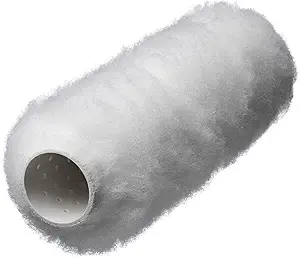
If you’ll be working on ceilings, pair it with the best paint roller for textured ceiling to get smoother coverage overhead.
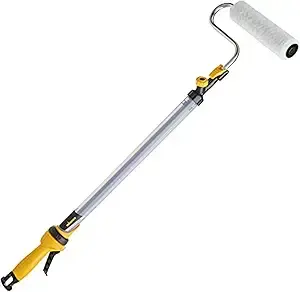
Wagner PaintStick EZ Roller
Type: Manual inner-feed
Best For: Medium rooms, accent walls, ceilings under 8 feet
Pros:
- No paint tray needed
- Lightweight and easy to handle
- Less dripping and splatter
Cons:
- Requires frequent refills for large rooms
- Balance shifts as the handle empties
- Can strain your wrist over time
Verdict:
This automatic paint roller is great for DIYers who want a cleaner, faster alternative to traditional rollers without dealing with hoses or motors.
Before you start, prep your walls properly. Our guide on how to clean walls before painting can save you from paint adhesion problems later.
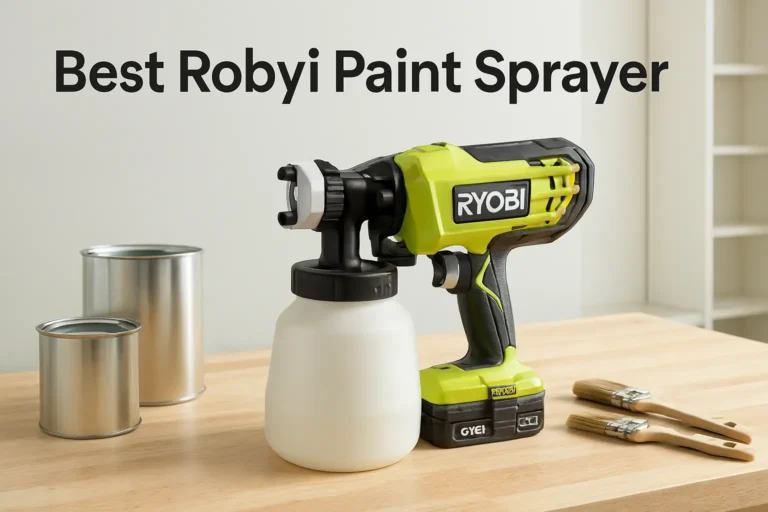
Ryobi Duet Power Paint System
Type: Dual electric pump system
Best For: Large projects with two painters
Pros:
- Two rollers let two people work at the same time
- Independent flow control for each roller
- Reversible pump helps prevent clogs
Cons:
- Mixed reviews on consistency
- Bulky for small spaces
- More parts to clean
Verdict:
Perfect for teams tackling large wall and ceiling projects. Solo users may find it overkill. If you’re also doing tricky cut-ins, it helps to use the best paint edging tool alongside it for crisp edges.
Wagner Power Paint Roller vs Other Brands
Wagner dominates the market with reliable continuous paint roller systems. The Wagner Smart Sidekick is the go-to choice for speed and smooth finishes, while the Wagner PaintStick EZ is better for quick single-room jobs.
Ryobi offers powerful dual-roller systems, but they can be bulkier and require more cleaning. For solo painters, Wagner’s simpler systems often strike the best balance of performance and usability.
When to Choose a Best Electric Paint Roller
Electric and automatic paint roller systems shine in certain situations:
- Painting multiple rooms or big wall areas
- Working on high or vaulted ceilings
- Doing frequent painting projects as a contractor
- Wanting a flawless, streak-free finish
For smaller accent walls or touch-ups, a standard roller with high-quality paint roller covers might still be faster and easier to manage.
Tips for Using a Power Roller
Even the best system won’t deliver perfect results without good technique. Here’s how to get the most from your best electric paint roller:
Prep Your Surfaces
Wash off dust and grease, then tape off trim and cover floors. If you need clean edges where the wall meets the ceiling, see the best way to paint edges between wall and ceiling.
Test Paint Flow First
Start on a hidden area to make sure paint flows evenly. Adjust speed and pressure if needed before moving to visible sections.
Clean Immediately
Flush the system right after finishing to prevent dried paint from clogging hoses and pumps.
Real-User Paint Roller Reviews
- DIYers using the Wagner Smart Sidekick say it cut their project time nearly in half, especially in open-plan living areas.
- Homeowners love the PaintStick EZ for reducing bending and tray mess, especially on ceilings.
- The Ryobi Duet gets praise for two-person speed, but some reviews mention frequent clogs and uneven pressure.
These reviews highlight why it’s important to match the tool to your project size and frequency.
Final Thoughts
If you regularly paint large walls or ceilings, a best power paint roller can transform the experience. They reduce fatigue, boost speed, and give a more consistent finish than traditional rollers.
For multi-room projects, choose the Wagner Smart Sidekick Power Roller. For smaller areas, the Wagner PaintStick EZ Roller is simpler and faster to set up. For team painting, the Ryobi Duet Power Paint System can double productivity.