Best Paint Drop Cloth: Complete Guide and Top Picks
When you’re planning to paint your home, one of the most overlooked tools is the humble paint drop cloth. It might seem minor, but the right cloth can save your floors and furniture from messy drips and splatters. In this guide, you’ll learn how to choose the best paint drop cloth, explore different types, and see honest reviews of the top options available.
If you’re new to painting, also check our detailed guide on how long it takes to paint a room so you can plan your project time properly.
Why a Good Drop Cloth Matters
A drop cloth is more than just a sheet you throw on the floor. A thin plastic sheet might tear or slide under your feet, while a good heavy-duty canvas cloth stays in place and catches paint before it reaches the floor.
This is especially important for ceiling projects, where drips are almost inevitable. Our guide on the best way to paint a ceiling explains how preparation—including a solid drop cloth—is key to avoiding accidents.
Types of Drop Cloths
100% Cotton Painters Drop Cloth
- Made from thick duck cotton or canvas
- Washable and reusable
- Highly absorbent, reducing splatter
- Can allow bleed-through if thin or heavily soaked
Cotton canvas is ideal for repeated use, especially when painting large rooms or ceilings. Pairing it with tools like the best paint rollers for ceilings can speed up the job and reduce splatter.
Best Disposable Drop Cloth
- Made from thin plastic sheeting
- Lightweight, waterproof, and cheap
- Great for one-time use or quick touch-ups
- Tears easily, slippery, not eco-friendly
If you only plan to do small touch-ups, a disposable drop cloth can work well. Just make sure to prep your surface first by cleaning walls before painting so you get a smooth, clean finish.
Canvas Painters Drop Cloths with Plastic Backing
- Canvas on top, plastic or rubberized underside
- Combines absorbency with leak protection
- Non-slip surface
- Slightly heavier and more expensive
This type works best for painted ceilings or high walls because it won’t move under your feet and keeps paint from bleeding through. It’s often used by pros along with the best painters tape to keep everything crisp and clean.
What to Look for in the Best Paint Drop Cloth
- Thickness: Heavier weight (8–12 oz) gives better absorption
- Size: Choose larger than your paint area
- Seams and Hems: Double-stitched edges prevent fraying
- Slip Resistance: Plastic or rubber backing adds safety
- Washability: Canvas is reusable, while plastic is not
Also consider how fast you want the project done—see how to make paint dry fast to save drying time and reduce cleanup risk.
Best Paint Drop Cloth Products Reviewed
Below are our top recommendations based on durability, usability, and real customer feedback.
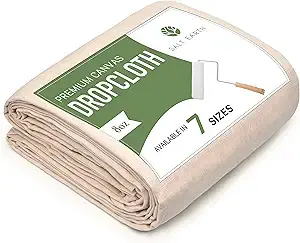
Salt Earth Premium Cotton Canvas Drop Cloth (4’ × 12’)
Pros:
- Thick cotton canvas absorbs spills well
- Washable and reusable for multiple projects
- Strong stitching and large coverage
Cons:
- No plastic backing, so heavy spills can seep through
- Heavy and takes space to store
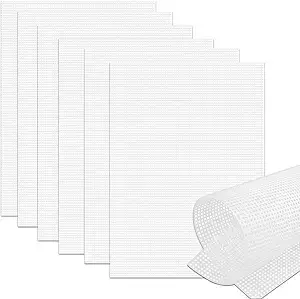
Canvas Painters Drop Cloth (6’ × 9’, Pack of 2)
Pros:
- Comes as a 2-pack, great value
- 100% cotton and reusable
- Strong and durable
Cons:
- No waterproof backing
- Bulky to handle and fold
This is a great option if you’re painting multiple rooms and also need something for covering furniture while working on interior trim painting.
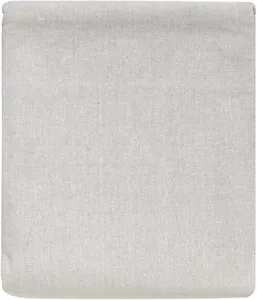
GREEN LIFESTYLE All Purpose Canvas Drop Cloth (4’ × 10’)
Pros:
- Heavy-duty thick cotton fabric
- Very durable and long-lasting
- Great for large painting projects
Cons:
- No plastic backing
- Slightly more expensive than thinner cloths
Canvas Painters Drop Cloths

Pros:
- Available in large sizes
- Durable, reusable canvas
- Ideal for full-room projects
Cons:
- Heavy and harder to handle
- May allow seepage from large spills
These are ideal when you’re working on large spaces like ceilings. Pairing them with the best ceiling paint will give your project a professional finish.
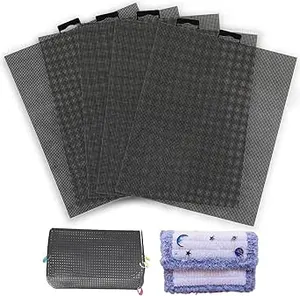
Dual-Layer Canvas with Plastic Backing
Pros:
- Canvas top absorbs paint, plastic backing prevents leaks
- Non-slip and safe to walk on
- Perfect for hardwood or carpeted floors
Cons:
- Can’t be machine washed
- More expensive than plain canvas
This is especially good if you are painting textured surfaces that tend to drip more. Using it with a high-quality paint sprayer can also speed up your work while keeping floors protected.
Drop Cloth for Painting Walmart
Walmart offers several disposable and reusable drop cloths. For quick wall or trim jobs, go for their thick plastic disposable options. Just be cautious about slipping, and make sure you’ve prepped the room by cleaning the walls first.
Painters Drop Cloth Home Depot
Home Depot stocks painters tarp drop cloth canvas in multi-packs. These are ideal if you’re doing multiple rooms and need bulk coverage at a lower price. They pair well with tools like the best ladder for painting for ceiling-height work.
Quick Recommendations
- Best for reusability: Salt Earth Premium Cotton Canvas Drop Cloth
- Best budget option: Canvas Painters Drop Cloth 2-pack
- Best large room coverage: Painter’s Pride 12’ × 15’
- Best dual-layer protection: Canvas with Plastic Backing
Conclusion
Choosing the best paint drop cloth depends on your project size, budget, and how often you plan to reuse it. For professional or repeated use, go with a 100% cotton painters drop cloth or canvas painters drop cloth with plastic backing. For small one-time projects, a best disposable drop cloth is fine but comes with slip and tear risks.
A quality drop cloth protects your surfaces, saves cleanup time, and gives you peace of mind while painting. Combine it with the right tools like the best paint sprayers and the best painters tape and you’ll be set up for a smooth, mess-free painting experience.
Canvas or Plastic? Which Drop Cloth Actually Stops Paint Reaching the Floor
Both stop paint. Only one of them stops you slipping on it, and that difference decides most of the argument.
Plastic sheeting is waterproof, which sounds like the whole job, but paint that lands on plastic stays wet. It sits on the surface, spreads when you step on it, and transfers to the sole of your shoe and then to the hallway. Thin plastic also slides underfoot on hard floors and tears the moment a ladder foot lands on it. It has one genuine advantage worth respecting: nothing gets through it, so for a job with real spill risk — spraying, or working directly over finished hardwood — plastic under a canvas layer is the correct combination.
Canvas absorbs. A drip lands and soaks in rather than sitting on top, so you are not walking it around the house. It lies flat, it does not slide, ladders sit on it safely, and it takes years of reuse and washing. The trade-off is that heavy spills eventually soak through if you leave them, which is why the answer for most interior work is canvas for the room and a plastic layer only where something valuable is directly underneath.
The mistake I made for years was buying the cheapest canvas available. Light-weight canvas, the thin stuff sold in packs, wicks a spill straight through to the floor in about the time it takes to notice. Weight is the specification that matters — heavier canvas holds more before anything reaches the boards, and it also stays put instead of creeping when you walk on it. Paying once for a heavy cloth costs less than the second cheap one plus the floor.
For furniture and anything you are covering rather than walking on, the calculation flips. There, plastic wins outright: it is light, it drapes over awkward shapes, it seals with tape, and nobody is standing on it. Use plastic up, canvas down, and most of the confusion disappears.
When NOT to Use a Drop Cloth
A drop cloth is not always the right protection, and in a few situations it makes the job more dangerous or the mess worse.
- On stairs. Loose cloth on treads is a genuine fall risk. Use taped-down rosin paper or a self-adhesive floor protection film instead.
- Plastic sheeting on any surface you will stand on. Wet paint on plastic is slick, and thin sheeting slides on tile and hardwood. Canvas or paper for footing, always.
- Over a floor you have not swept. Grit trapped under a cloth grinds into the finish every time you step. Clean the floor before covering it.
- For fine overspray from a sprayer. A cloth catches drips, not airborne mist. Spraying needs full masking of walls, fixtures and anything else in the room, not a sheet on the floor.
- Leaving it down for days between coats. Damp cloth against wood flooring can mark it, and paint that soaked through overnight has time to reach the boards. Lift and dry it between sessions.
Frequently Asked Questions
Is a canvas or plastic drop cloth better for painting?
Canvas for floors, plastic for furniture. Canvas absorbs drips, lies flat and is safe to walk on. Plastic is fully waterproof but stays slick when paint lands on it and slides underfoot, which makes it a poor choice for surfaces you stand on.
What weight canvas drop cloth should you buy?
Heavier is the specification that matters, because light canvas wicks a spill through to the floor quickly and creeps when you walk on it. A heavier cloth holds more before anything reaches the boards and stays where you put it.
Can you reuse a drop cloth after paint dries on it?
Canvas yes, repeatedly – dried paint stiffens the cloth but does not stop it working, and it can be washed. Thin plastic sheeting is realistically single-use, because it tears and the dried paint flakes off it onto the floor.
Do you need a drop cloth if you are careful?
Yes. The mess from painting is rarely one dramatic spill; it is the accumulation of roller spatter, brush flick and the drips off a can rim, and none of that is prevented by care. It is also far quicker to lay a cloth than to clean paint off a floor.
How do you stop a drop cloth from sliding?
Use canvas rather than plastic, and tape the perimeter down where it meets the skirting. On a hard floor, a layer of rosin paper taped at the edges under the cloth also stops it creeping.
What size drop cloth do you need for one room?
Cover the working strip rather than the whole floor. A cloth that runs the length of the wall you are painting and reaches roughly six feet out from it handles the ladder, the paint tray and the spatter zone, and you move it around the room as you go.