Waterproofing Products Help Keep Basement Dry
A dry basement is more than just a comfort, it’s a foundation for a safe, healthy home. Moisture problems can cause mold, structural issues, and long-term damage. Luckily, waterproofing products help keep basement dry whether you’re dealing with leaks, dampness, or planning preventive measures. In this guide, we’ll walk through the strongest methods, DIY solutions, and the best basement waterproofing materials you can use to protect your home.
Why Waterproofing an Existing Basement Matters
Many homeowners only think about waterproofing after water problems appear. However, waterproofing an existing basement is essential for preventing recurring leaks, stopping mold growth, and keeping your foundation strong. Moisture seeping in over time can crack walls, weaken structural supports, and even lower property value.
If you’re planning renovations or painting your basement ceiling, knowing how to control moisture first is crucial. For example, before choosing the best paint for unfinished basement ceiling, it’s smart to ensure the walls and foundation are fully sealed.
Strongest Basement Waterproofing Techniques
When it comes to durability, the strongest basement waterproofing methods often combine multiple approaches:
- Interior sealants: Applied to walls to stop minor seepage.
- Exterior coatings: Create a barrier outside the foundation.
- Drainage systems: Sump pumps and French drains redirect water away.
- Vapor barriers: Add protection against humidity and condensation.
This “layered defense” method results in complete basement waterproofing, keeping both visible and hidden moisture under control.
Choosing Basement Waterproofing Materials Do Yourself
Not every project requires hiring a contractor. With the right basement waterproofing materials do yourself, homeowners can achieve impressive results. Popular options include:
- Hydraulic cement for patching cracks.
- Waterproof paint for interior walls.
- Bituminous coatings for foundation walls.
- Drainage membranes for extra protection.
If you enjoy DIY projects, it’s similar to learning how to clean walls before painting, preparation is the key to long-lasting results.
Best Waterproofing for Basement Inside
Interior solutions are popular because they’re cost-effective and accessible. The best waterproofing for basement inside often involves:
- Waterproof paints and sealants.
- Epoxy injections for wall cracks.
- Interior drainage systems along the basement floor.
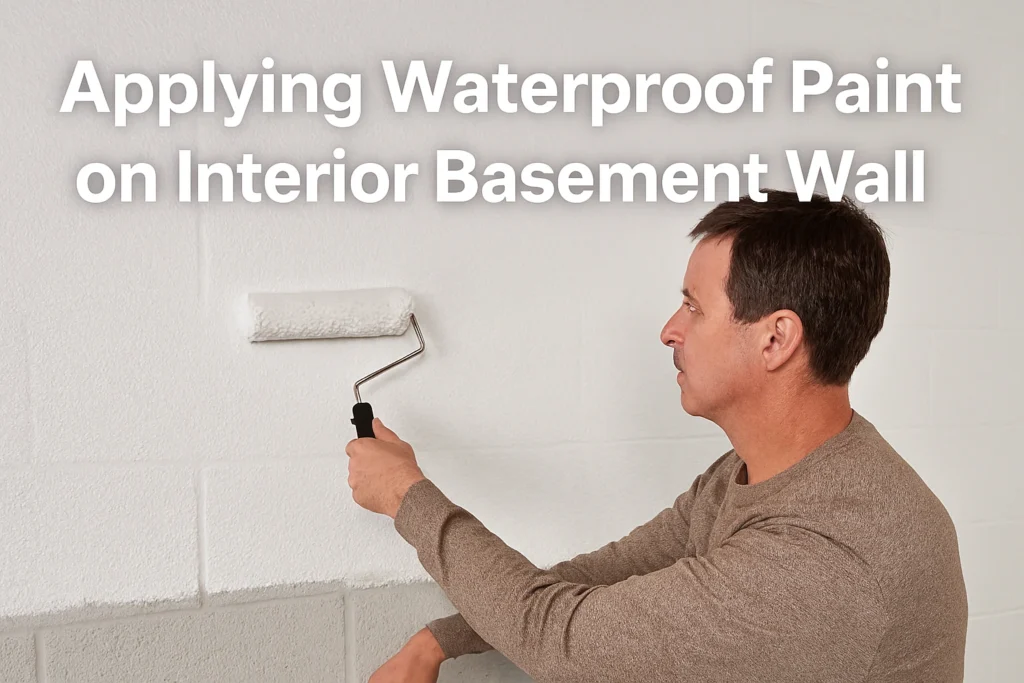
This is also a great choice for DIY basement waterproofing from inside, especially if you’re tackling moisture spots but don’t want to excavate outside your home.
Below Grade Waterproofing Products You Can Trust
For basements below ground level, below grade waterproofing products are non-negotiable. These specialized coatings and membranes are designed to withstand constant soil pressure and groundwater contact. Think of them as a shield that prevents outside water from ever reaching your basement walls.
If you’ve ever asked yourself, “What paint to use on wood for moisture-prone areas?” the principle is similar, not every paint or sealer works under tough conditions. That’s why below-grade products are engineered differently.
Exterior Foundation Waterproofing Products for Long-Term Protection
While interior fixes work, the most durable solutions start outside. Exterior foundation waterproofing products like elastomeric coatings, foundation membranes, and drainage boards prevent water from ever entering.
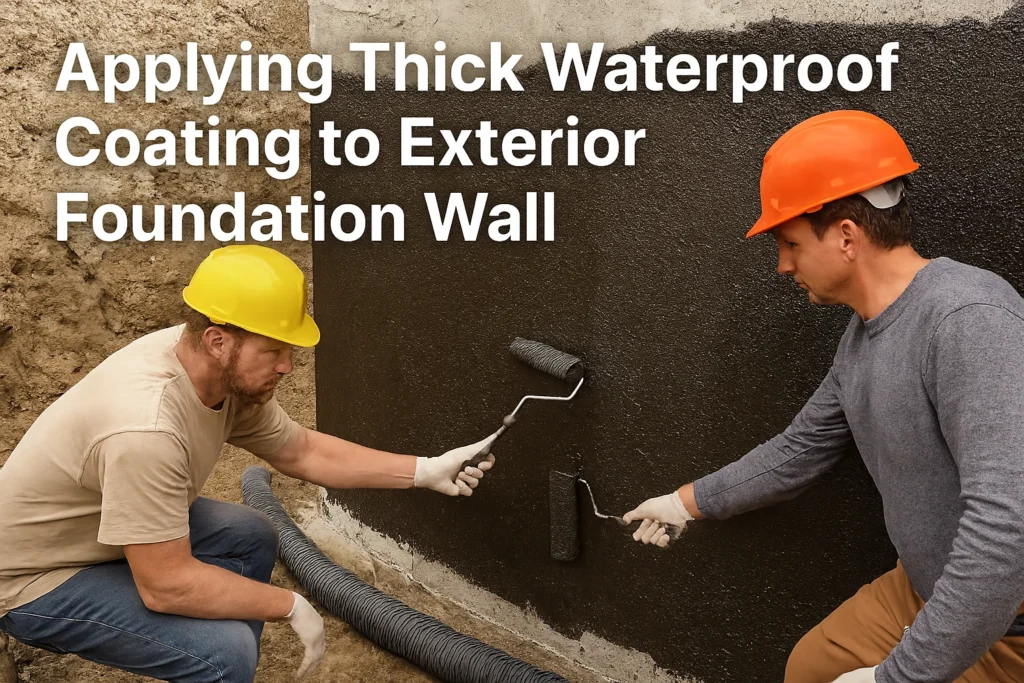
This is often paired with waterproofing basement walls from outside, a process that usually requires excavation but delivers the highest level of long-term security.
Waterproofing Basement Walls Yourself: DIY Options
If hiring professionals isn’t in the budget, you can try waterproofing basement walls yourself. A few practical steps include:
- Apply waterproof masonry paint.
- Use a paint sprayer for even coverage (see best ceiling paint sprayer).
- Seal visible cracks before painting.
- Install a vapor barrier behind finished walls.
With patience, you can achieve a professional look while saving money.
DIY Basement Waterproofing from Inside: Step-by-Step
Here’s a simple outline for DIY basement waterproofing from inside:
- Inspect for cracks and patch with hydraulic cement.
- Clean and dry the walls (similar to prepping before painting a room).
- Apply waterproof paint or sealer.
- Install an interior drainage channel if necessary.
This approach works best for minor leaks or dampness, not severe flooding.
Complete Basement Waterproofing: The Ultimate Solution
For homeowners seeking total peace of mind, complete basement waterproofing combines both interior and exterior strategies:
- Outside: Membranes, drainage boards, and coatings.
- Inside: Crack injections, sump pumps, vapor barriers, and waterproof paints.
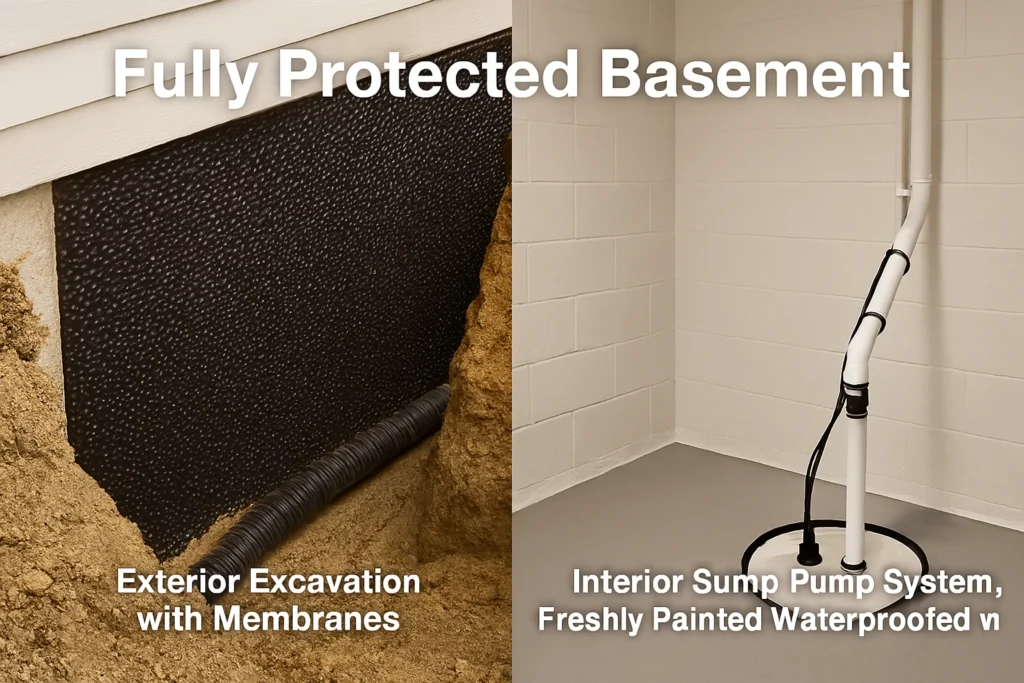
The result? A dry, healthy basement that’s ready for finishing, storage, or even turning into a comfortable living space.
Final Thoughts
Whether you’re dealing with damp walls or planning a full renovation, the right waterproofing products help keep basement dry in every scenario. From DIY basement waterproofing from inside to professional-grade exterior foundation waterproofing products, the key is matching the right method to your home’s unique needs.
And remember: just like choosing the best ceiling paint for bathrooms requires understanding moisture levels, basement waterproofing is all about preparation and choosing products built for the job.