What Paint to Use on Wood Furniture That Won’t Chip or Stick
By Sophie Ulman · Updated August 2026
The question of what paint to use on wood furniture has one honest answer: it depends on how hard the piece gets used, and almost nobody chooses on that basis. They choose on finish. That is how a dining table ends up in chalk paint and looks worn through to the primer by the following summer.
Wood moves. It is hygroscopic — it takes on and gives off moisture with the seasons, swelling and shrinking as it does. So the coating has to grip it, flex with it, and then cure hard enough to survive hands, plates, and drawer fronts closing against each other. Those last two demands pull in opposite directions, and every paint category on this page is a different compromise between them.
First: Which Wood Are You Painting?
What paint to use on wood splits cleanly at one question, and it is not a question about paint. It is whether the wood lives indoors and gets touched, or lives outdoors and gets weathered. Interior furniture fails by abrasion and by blocking. Exterior wood fails by moisture cycling and UV. Those are different enemies and they want different coatings, so a single “best paint for wood” answer is always wrong for half the people asking.
This page is about interior wood furniture and cabinetry — tables, dressers, chairs, doors, drawer fronts. If that is not your project, go straight to the right guide rather than adapting this one:
- Exterior siding and trim: best exterior paint for wood siding — out there flexibility and UV resistance matter more than hardness.
- A porch or deck floor: best paint for a wood porch floor, plus waterproofing painted wood if it is uncovered.
- Wall panelling: painting wood panelling — a different prep job from furniture, because the grooves hold decades of polish.
- A plywood or tongue-and-groove ceiling: best paint for a plywood ceiling.
- Kitchen cabinets specifically: the paint advice below applies, but start with the primer — on cabinets it decides the outcome more than the topcoat does.
Start Here: Match the Paint to the Piece
| The piece | Use this | Why |
|---|---|---|
| Dining table, desk, kitchen chairs | Waterborne alkyd or oil alkyd | Cures rigid; survives abrasion, heat and spills |
| Cabinet doors, drawer fronts, anything that closes against itself | Waterborne alkyd or a cabinet-specific enamel | Block resistance — see below, this is the failure everyone hits |
| Dresser, nightstand, bookcase | Furniture-grade latex or acrylic | Enough hardness for moderate handling, easy cleanup |
| Decorative side table, picture frames, accent pieces | Chalk paint, sealed | Grips almost anything with minimal prep; low wear demand |
| Raw stripped antiques, rustic pieces | Milk paint | Penetrates bare wood; authentic aged character |
| Kids’ furniture, toy boxes | Acrylic or waterborne alkyd | Hard, washable, low VOC |
The Failure Nobody Warns You About: Blocking
I painted a set of dresser drawers in a good-quality interior latex once. It looked excellent. Four days later I pushed a drawer shut, came back the next morning, and it would not open — and when it finally did, it took a strip of paint off the drawer face with it, welded to the frame.
That is blocking: two painted surfaces pressed together bond to each other because the film is still soft. Standard wall latex stays slightly flexible by design — that is what lets it live on a moving wall — and flexible is exactly wrong on a surface that closes against another surface.
Two things prevent it. Pick a paint that cures rigid, and respect the cure time. Dry and cured are different words. Latex acrylic on furniture is touch-dry in hours and takes roughly three to four weeks to reach full hardness. Benjamin Moore’s own guidance on waterborne alkyds puts recoating or re-installing doors at 16 to 24 hours and full cure at 30 days — that 30-day window is the alkyd resins cross-linking, and it is what produces the hardness that resists blocking.
The rule I now follow on every drawer and door
Do not close it for a week. Hang doors and slide drawers back in, but leave them open a finger’s width. If the piece must be used immediately, put a strip of self-adhesive felt or a bumper on the contact points. And do not put anything heavy on a painted tabletop for the first month — a laptop left in one spot on week-old paint leaves a permanent ghost.
Waterborne Alkyd: The Answer Most Furniture Actually Wants
This category barely existed twenty years ago and it is now what most professionals reach for on furniture and cabinetry. Waterborne alkyd puts alkyd resin into a water-carried emulsion: it flows and levels like an oil paint, cures hard and rigid like an oil paint, and cleans up with water at low VOC.
The trade-offs are real and worth knowing before you commit. It is slow — plan on 16 hours between coats, not four, which turns a weekend project into a week. It is thick and unforgiving of a heavy hand; overload the brush and it sags on vertical panels. And the long open time that makes it level beautifully also means it stays sticky enough to catch dust for hours, so it wants a clean space.
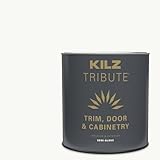
KILZ Tribute Cabinet, Door & Trim Paint — Semigloss White, 1 Quart
Best for: drawer fronts, cabinet doors, and anything that closes against another painted surface. KILZ states it reaches block resistance in under three hours of dry time — that specific property is the one standard wall latex does not have, and it is the difference between a drawer that opens and a drawer that tears its own face off.
Where it disappoints: the line is semigloss only. If you want satin or eggshell cabinets you are buying something else, and semigloss is unforgiving of the sanding scratch you thought you had got away with. Like every hard enamel it also shows a heavy brush stroke, so thin your coats and let it level.
Latex and Acrylic: Fine for Furniture That Only Gets Touched
Modern latex has nothing to do with rubber. It is acrylic or vinyl-acrylic polymer particles dispersed in water; as the water leaves, the particles coalesce into a continuous flexible film. That flexibility is the point on walls and the weakness on furniture.
Acrylic sits a step up: a higher proportion of acrylic resin, harder film, better moisture resistance and better colour stability, and it self-levels well enough to hide most brush marks. Both clean up with soap and water, recoat in two to four hours, and come in near-zero-VOC formulations, which matters in a bedroom or a nursery.
Use them on dressers, bookcases, headboards, and shelving — pieces that get handled but not abraded. If you use wall paint on furniture, understand you are trading durability for convenience, and expect to see wear on edges within a couple of years. A cabinet-grade or furniture-grade formulation is a genuinely different product, not marketing.
Chalk Paint: Great Adhesion, Soft Film, Non-Negotiable Topcoat
Chalk paint gets its matte, powdery look from a heavy load of calcium carbonate in a water-based binder. That mineral filler creates a microscopically rough, porous film that grips previously painted, varnished, and even slightly waxy surfaces without primer or sanding — which is the whole reason it took over the DIY market.
The same porosity is the problem. Cured and unsealed, chalk paint is among the softest finishes you can put on furniture: it absorbs spills, marks under a fingernail, and wears through at edges within months on anything in daily use. It must be sealed — wax for a soft period look on low-use pieces, water-based polyurethane for anything that will meet a wet glass. If you want to mix your own, we cover the ratios in our guide to making chalk paint at home.
One thing to be clear about: “no sanding required” means no sanding for adhesion. It does not mean no cleaning. Grease and old furniture polish will defeat chalk paint like anything else.
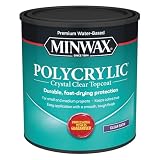
Minwax Polycrylic Protective Finish — Clear Satin, 1 Quart
Best for: the topcoat chalk paint is not optional about, and for sealing milk paint or pale latex on anything that will meet a wet glass. It is water-borne, so unlike an oil polyurethane it does not amber over white and light colours — which is the whole reason to reach for it here instead of a traditional varnish.
Where it disappoints: it goes on thin and wants three coats rather than one, and it raises the grain on anything bare, so cut it back with 320-grit between coats. Do not stir it hard either — bubbles whipped into the can cure into the film, and you will see every one of them on a tabletop in raking light.
Milk Paint and Oil Alkyd: The Two Specialists
Milk paint is casein — a milk protein — with lime and earth pigments, sold as a powder you mix with water. On raw, stripped wood it soaks into the fibre rather than sitting on top, and the result is genuinely chip-resistant and unlike anything synthetic, with a thin, translucent, aged character. Two catches: colour consistency between batches takes care, and on any sealed or non-porous surface you must add a bonding agent or adhesion fails unpredictably and in patches.
Oil-based alkyd cures by oxidation — reacting with atmospheric oxygen — rather than by water leaving, and that produces the densest, hardest, most cross-linked film of anything here. It levels to near glass, and it bites onto old varnish better than any water-based product. The costs are 24 hours between coats, up to 30 days to full cure, high VOCs that demand real ventilation and a respirator, mineral-spirit cleanup, and a well-known tendency to yellow over time, which is why white oil-painted furniture goes cream in a sunny room. Reserve it for high-traffic pieces where you accept all of that.
Full Comparison
| Paint | Adhesion | Cured hardness | Recoat | Full cure | VOC |
|---|---|---|---|---|---|
| Latex | Good with prep | Moderate | 2–4 hrs | 3–4 weeks | Low–zero |
| Acrylic | Good–excellent | Good | 1–2 hrs | 2–3 weeks | Low |
| Chalk | Excellent, minimal prep | Low until sealed | 30–60 min | Days, then seal | Low |
| Milk | Excellent on raw wood | Moderate–high | 30–60 min | Days | Zero |
| Waterborne alkyd | Excellent | Very high | 16–24 hrs | ~30 days | Low |
| Oil alkyd | Excellent | Highest | 24 hrs | ~30 days | High |
Prep Decides the Outcome, Not the Paint
Durability on furniture is about half product and half surface preparation, and the half people skip is the first one.
Degrease before you sand. Sanding a greasy or polished surface drives the contamination into the scratches you just made. Wash with a degreaser or denatured alcohol first, then abrade. Decades of furniture polish is the single most common reason paint lifts off an old dresser.
Sand to 120–150 grit for latex, acrylic, and alkyd. You are not removing the old finish, you are dulling it — a uniform matte with no shiny spots left is the target. Chalk and milk paint skip this for adhesion, but still need the surface clean and structurally sound, and any flaking old paint has to come off regardless of what goes on top.
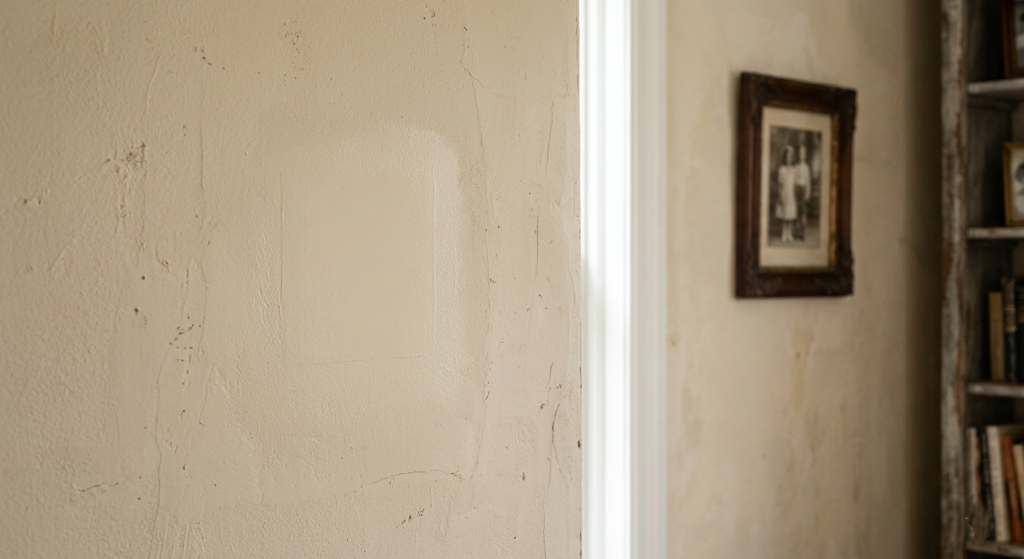
Before you sand an old piece, check its age — not just its finish
Consumer lead paint was banned in the United States in 1978, and painted furniture older than that can carry it. It matters here because the first instruction in every furniture guide, this one included, is sand it — and dry-sanding lead paint is the most efficient way there is to fill a room with lead dust. The EPA’s Renovation, Repair and Painting rule does not generally bind a homeowner working on their own possessions, but the lead-safe practices it requires of contractors exist for a reason: no dry sanding, no power sanding without a HEPA vacuum, no open flame, no heat gun above 1100°F. If the piece predates 1978 and there are children in the house, test before you abrade — our guide to identifying lead paint covers the swab kits and what a positive result actually means for the project. Usually the answer is not to abandon the piece. It is to seal it under a bonding primer and never break the surface at all.
Seal tannin-rich wood before you paint it white. Oak, mahogany, cherry, and knotty pine carry water-soluble tannins that migrate up through water-based paint and surface as brown or pink stains, often days later and worst over knots. Water-based primer will not stop it — the tannin dissolves in the water. A shellac-based primer is the professional answer, and it is also what seals nicotine, smoke damage, and old water marks.
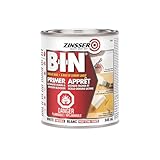
Zinsser B-I-N Pigmented Shellac Primer-Sealer — White, 1 Quart
Best for: blocking tannin bleed on oak, mahogany and knotty pine, and sealing smoke or water stains under a light topcoat. Shellac is alcohol-borne, so the water in your topcoat cannot redissolve what it has sealed in — that mechanism, not the pigment, is why it holds where a water-based stain blocker fails. It is also the bonding coat to use over an old finish you have decided not to sand through.
Where it disappoints: the smell is strong enough to drive you out of a closed room, and it dries fast enough to punish slow brushwork — work small sections with real ventilation, and keep denatured alcohol to hand, because water will not clean the brush. Buy the quart rather than the gallon; it does not keep well once opened.
More options in our roundups of cabinet primers and spray primers for wood and metal.
Refurbishing a Piece That Already Has a Finish on It
Most furniture painting is not painting — it is refurbishing. There is already something on the wood, it was put there decades ago by someone who is not around to tell you what it was, and whether your new paint holds depends almost entirely on what that old layer turns out to be. Five minutes of identification saves a full strip-and-redo.
Find out what is already on it
Denatured alcohol on a hidden edge. If the finish goes gummy and dissolves, it is shellac. Very common on anything pre-1950s. Shellac is easy to paint over once dulled, and it also means the piece is old enough to be worth a lead check before you sand it.
Acetone or lacquer thinner on a different hidden spot. If it softens where alcohol did not, it is lacquer — the standard on mid-century factory furniture. Lacquer is brittle and chips at edges, so feather any chipped areas smooth before you prime or they will read straight through the paint.
Neither softens. It is a polyurethane or a conversion varnish, and it is the toughest case for adhesion because nothing bites into it chemically. Abrade it properly and prime, or you are relying on the paint to grip glass.
Deglosser or sandpaper?
A liquid deglosser dulls a finish chemically without dust, which makes it the honest answer for carved legs, spindles, and turned detail you cannot get sandpaper into. On flat surfaces, sandpaper still wins — deglosser softens the sheen but leaves the surface dead flat rather than toothed, and a mechanical key holds better than a chemical one. The practical answer on most pieces is both: 150-grit on the tops, doors and flat rails, deglosser on everything shaped. Either way, degrease before you start, because both methods will otherwise just spread old furniture polish around.
The one that ruins refurbishments: tannin bleed
Oak, mahogany, cherry and knotty pine push water-soluble tannins to the surface when water-based paint wets the wood, and they do it slowly — the piece looks perfect on Sunday and has brown halos over every knot by Wednesday. Old furniture is disproportionately made of exactly those species. If you are painting a light color over an old oak dresser, a shellac-based stain-blocking primer is not optional, and no number of extra topcoats will fix it after the fact.
Veneer, and how to not sand through it
A great deal of the furniture people rescue is veneered rather than solid, and mid-century veneer can be well under a millimeter thick. An orbital sander goes through it in seconds and once you are into the substrate there is no repair, only filler. Hand-sand veneered surfaces, keep to 150-grit or finer, and stop as soon as the sheen is gone. If a corner is already lifting, glue and clamp it before any paint touches the piece.
Old dressers that smell
Musty odor in a closed drawer is absorbed into the raw interior wood, and paint on the outside does nothing about it. Clean the interior, let it air out fully in the sun if you can, and if it persists, a coat of shellac primer inside the carcass seals the odor in. That is the same product doing the tannin job, so one quart usually covers both problems.
Sheen: Pick It for Wear, Not for Looks
Sheen tracks hardness. Within one product line, the glossier the finish, the harder and more washable the film — because gloss comes from a higher ratio of binder to pigment, and binder is what resists wear.
- Flat or matte: hides surface flaws, hardest to clean, least moisture resistant. Decorative pieces only.
- Eggshell or satin: the default for bedroom and living-room furniture. Low reflectivity, reasonable washability.
- Semi-gloss: kitchen and children’s furniture, anything wiped often.
- Gloss: hardest and most washable, and it magnifies every dent, sanding scratch and brush mark underneath it. Only worth it if your prep is genuinely flawless.
When NOT to Paint the Furniture at All
- It is a genuine antique with original finish. Painting it can erase most of its value. Get it looked at before you sand anything.
- It is laminate or melamine, not wood. Different problem entirely — it needs a bonding primer, and chalk paint’s reputation for sticking to anything does not extend to slick thermofoil.
- The joints are loose or the veneer is lifting. Paint does not glue. Fix the structure first or you will be stripping it back in a year.
- The wood is beautiful and sound. A refinish with stain and a clear coat is more work than paint and it is usually the better outcome.
- You need it back in service tomorrow. Every finish here worth using needs days to weeks of cure. Painting a table on Saturday for a Sunday dinner ends with plate marks in the film.
Wood Furniture Painting FAQ
What is the best paint for refurbishing old furniture?
Waterborne alkyd over a stain-blocking primer, for almost every piece worth refurbishing. It levels out brush marks the way old oil enamel did, cures hard enough for a dresser top or a chair seat, and cleans up with water. Chalk paint is the easier product but it needs a topcoat to survive anything functional.
Is deglosser enough, or do I have to sand furniture before repainting?
Deglosser alone is enough on spindles, carving and turned legs where sandpaper cannot reach. On flat surfaces sand to 150-grit, because a mechanical key holds better than a chemical dulling. Degrease first either way — both methods will otherwise smear decades of furniture polish across the surface.
What is the most durable paint for wood furniture?
Oil-based alkyd gives the hardest film, with waterborne alkyd very close behind at a fraction of the VOCs and with water cleanup. For a dining table, desk, or any cabinet door, one of those two is the right choice — not wall latex and not chalk paint.
Can I paint over varnished wood without stripping it?
Yes. Degrease, then dull the varnish with 150-grit until there are no shiny patches left, then prime. Oil alkyd and chalk paint are the most forgiving over old varnish; latex and acrylic need the abrasion plus a bonding primer to hold long-term.
Why do my painted drawers and doors stick together?
That is blocking — soft paint film bonding to itself under pressure. Either the paint has not cured or it was never formulated to cure rigid. Use a cabinet or furniture enamel, and keep the surfaces apart for at least a week; full cure on alkyds runs about 30 days.
Do I need to seal chalk paint?
On anything functional, yes, always. Unsealed chalk paint is porous and soft, so it absorbs spills and wears through at edges within months. Wax suits low-use decorative pieces; use a water-based polyurethane on anything that will meet moisture.
Why are brown stains coming through my white paint?
Tannin bleed. Oak, mahogany, cherry and knotty pine carry water-soluble tannins that the water in your paint pulls to the surface, often days later and worst over knots. Only a shellac-based or dedicated stain-blocking primer stops it — more water-based coats will not.
How long before I can use painted furniture?
Light use after a few days; treat it gently for a month. Latex acrylic takes three to four weeks to reach full hardness and alkyds around 30 days. Do not leave anything heavy sitting in one spot on a fresh tabletop during that window.
Is chalk paint or milk paint better for beginners?
Chalk paint, comfortably. It arrives ready to use and grips almost any surface. Milk paint comes as a powder you mix, colour consistency between batches takes practice, and it needs a bonding agent on anything that is not raw wood.
About the author
Sophie Ulman has renovated and painted more rooms than she can count — and made every mistake in the book so you don’t have to. She focuses on real-world durability: not how products perform on day one, but whether the repair holds through a full seasonal cycle.
ThePaintly is reader-supported. Our picks are based on manufacturer specifications and what users report. When you buy through links on this site, we may earn an affiliate commission at no extra cost to you.