
Best Paint for Celling Tials: A Complete Guide
When tackling the job of painting old ceiling panels, it helps to know the best paint for celling tials—especially acoustic or drop ceiling tiles. A fresh coat can revive stained, dull, or outdated tiles without replacing them. Whether you’re looking to paint a mosaic, refresh white tiles, or go bold with black acoustical tiles, understanding the materials and the right methods can make all the difference.
Painting Old Acoustic Ceiling Tiles: What to Know
If you’re considering painting old acoustic ceiling tiles, there are important caveats. Acoustic tiles are porous and designed to absorb sound. Using the wrong paint can clog those holes, reduce sound absorption, void warranties, or even compromise fire ratings. Armstrong, a leading ceiling tile manufacturer, generally does not recommend painting tiles unless they’re in excellent condition, because painting may impact acoustical performance—and once painted, the warranty is void.
Nevertheless, if your tiles are structurally sound and you’re focused on appearance, you can proceed, while minimizing impact.
Painting Old Ceiling Tiles: Preparation Is Key
Key steps include:
- Cleaning tiles thoroughly with a mild detergent and letting them dry fully
- Using a drywall primer to seal the porous surface, especially for raw acoustic tiles
- Removing tiles from the grid when possible to lay flat for painting
- Thinning paint if needed so as not to clog perforations and reduce acoustic performance
Types of Paint and Choosing the Best Quality Ceiling Paint
When searching for best quality ceiling paint, especially for acoustic or mineral fiber tiles, look for a water-based spray paint or a lightweight flat latex designed for ceilings. Standard interior flat paint may soak in unevenly and require many coats.
Paint for Acoustical Ceiling Tiles: Best Practices
Field painting acoustical tiles requires caution. According to manufacturer guidelines, it’s best done with spray methods that deliver a uniform coat without clogging textures or holes. Typically, one thin coat suffices. Excessive layers may reduce the NRC (noise reduction coefficient) by 0.05 to 0.10.
Using non-bridging paint, like Sherwin-Williams ProCoat, is recommended for retaining acoustic properties.
Spray Painting Acoustic Ceiling Tiles: Why It Works
Spray painting acoustic ceiling tiles is often preferred:
- It avoids saturating the surface
- It applies paint evenly without saturating or warping
- Specialized spray cans allow upright application without tile removal
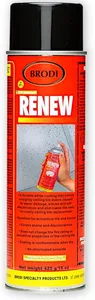
For instance, Seymour Ceiling Renew Spray Paint is formulated specifically for acoustic tile touch-ups—won’t warp or sag tiles, preserves acoustical performance, dries in about 15 minutes, and sprays upright with no tile removal needed.
User reports confirm its ease and effectiveness: “Great for painting acoustic tiles, touch up stains…” and it preserves fire safety ratings.
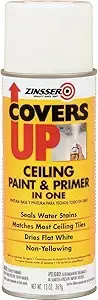
Similarly, Zinsser Covers Up Ceiling Spray Paint and Primer in One works well for standard acoustic or popcorn ceilings, giving a quicker refresh, though it may not cover dark stains fully.
Painting Acoustic Ceiling Tiles Black: Tips and Warnings
For the bold look like painting acoustic ceiling tiles black, caution is even more essential. Users report that black paint, even from cans, may appear uneven or overly glossy depending on method and substrate. To avoid curling or warping, test one tile first, and ideally use primer first followed by thin coats of spray paint.
Note: Painting both sides is usually unnecessary, but some old panels may absorb paint unevenly if only one side is coated. Test a panel first.
Best Paint for Interior Ceiling: Acoustic Case
For the broader category of best paint for interior ceiling, acoustic tiles are a special case. Standard flat ceiling paint (latex) works well on drywall or plaster—but acoustic tiles require specialized spray or non-bridging formulas. Choose based on tile material and your aesthetic goals:
- Flat-latex ceiling paint: good for drywall or smooth tiles
- Acoustical ceiling tile spray paint: better for porous mineral fiber or textured tiles
Suggested Product Recommendations
Here are two top choices for acoustical ceiling tile spray paint, including honest pros and cons:
Seymour Ceiling Renew Spray Paint (New White, 16 oz)
Pros:
- Designed for acoustic and textured ceilings, won’t warp or sag
- Dries in approximately 15 minutes, sprays upright
- Preserves acoustic and fire safety features
Cons: - Single shade (white), limited coverage per can (about 15 sq ft)
- Requires multiple cans for large areas
Zinsser Covers Up Ceiling Spray Paint and Primer in One
Pros:
- Spray formula with primer included, faster coverage for standard ceiling tiles
- Hides minor stains, suitable for acoustic or popcorn surfaces
Cons: - Not ideal for dark stains or very porous tiles—may need multiple coats
- Not specifically engineered for acoustical preservation
Internal Links to Support and Expand
Looking for more prep advice or painting techniques? Check out:
- Best way to paint a ceiling
- Best ceiling paint color
- Best way to paint edges between wall and ceiling
- How long does it take to paint a room
- How to clean walls before painting
- How to make paint dry fast
Step-by-Step: How to Paint Acoustic or Old Ceiling Tiles
- Inspect Tiles: If tiles are sagging, warped, cracked, or moldy, it’s better to replace than paint
- Clean: Vacuum or brush off loose dust. Wipe tiles and allow to dry
- Primer: Apply drywall primer or non-bridging primer to seal absorption
- Remove Tiles (if possible): Lay them flat for uniform coating—optional but recommended
- Choose Paint:
- For acoustic tiles: use specialized spray paint (acoustical ceiling tile spray paint)
- For standard ceiling tiles: flat latex or specialty ceiling spray
- Spray Technique: Hold spray can upright about 8–10 inches away. Apply thin, uniform coat
- Dry and Recoat as Needed: Let dry fully (15 min for spray), then reapply only if coverage is inadequate
- Reinstall: Tiles must be fully cured before re-installation. Touch up edges as needed
Final Thoughts
Renovating old acoustic ceilings need not mean full replacement, painting old ceiling tiles, especially acoustic types, can bring refreshed life at lower cost. That said, you must choose the best paint for celling tials, meaning acoustic tile spray or non-bridging latex, to preserve structure, fire safety, and acoustics.
Spray painting acoustic ceiling tiles, especially using products like Seymour Ceiling Renew Spray Paint or Zinsser Covers Up Spray, offers a lighter, faster, and safer way to refresh without sagging or sealing sound-absorbing pores.
And if you’re working on drywall or smooth ceilings, refer to guides like our best way to paint a ceiling or best way to paint edges between wall and ceiling to ensure clean, consistent results.
With proper prep, the right paint, and thoughtful technique, your ceiling tiles, whether white or black, acoustic or smooth, can look refreshed and professional.