
Dark Gray Paint Increase Home Value: Does It Really Work?
When it comes to boosting resale value, paint color is one of the most powerful and affordable updates you can make. Many homeowners wonder if dark gray paint increase home value, and the answer is often yes. Neutral yet sophisticated, dark gray has become a go-to color for modern buyers who want a timeless look with strong curb appeal.
In this guide, we’ll explore why dark gray works, what experts say about the best paint colors for house resale, and how you can use this shade to maximize your return.
Why Dark Gray Paint Can Increase Home Value
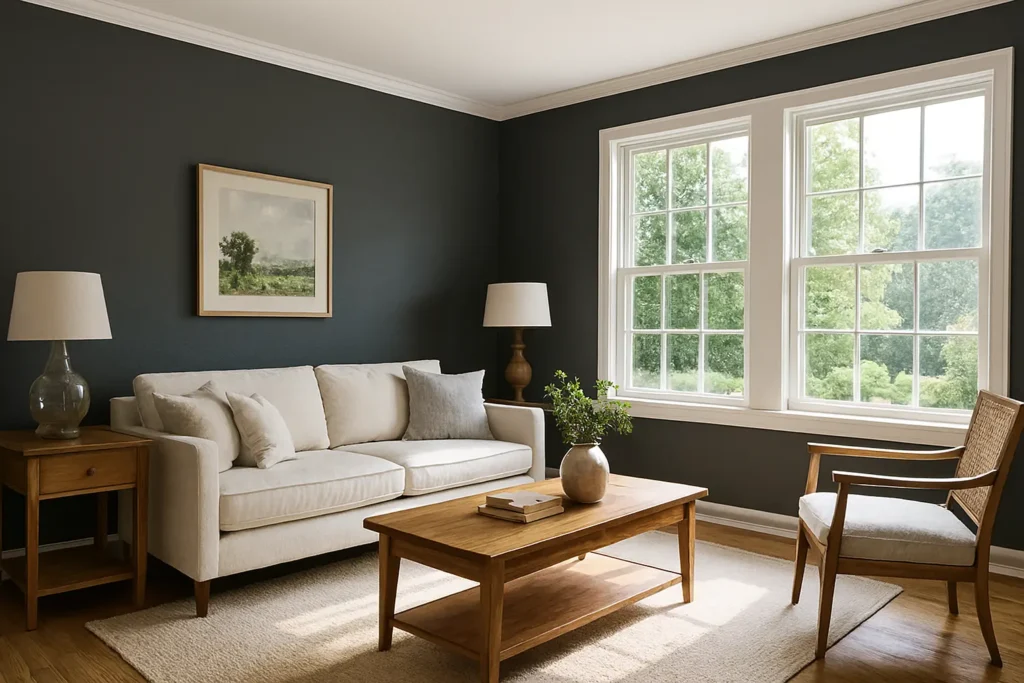
Real estate studies consistently show that homes with freshly painted interiors and exteriors sell faster and at higher prices. A dark gray paint increase home value effect happens because it provides a modern, upscale vibe that attracts younger buyers, balances well with white trims and natural wood, and hides minor imperfections better than lighter shades.
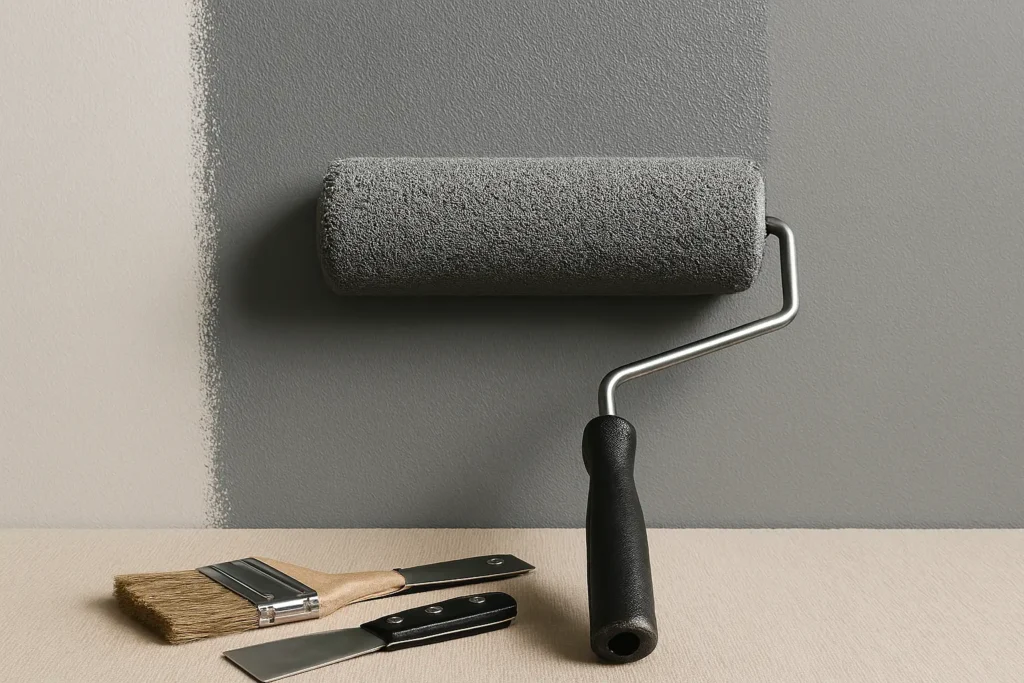
Before starting, prep is key. Simple steps like cleaning walls before painting or applying a quality drywall primer can make a big difference in achieving a smooth finish.
Best Paint Colors for House Resale
When real estate agents discuss the best paint colors for house resale, they almost always recommend neutrals. Grays, beiges, and soft whites appeal to the widest audience and allow buyers to imagine their own furniture and style.
Dark gray stands out among neutrals because it works well both indoors and outdoors, creates strong contrast with white ceilings, and looks high-end without being overwhelming. If you’re painting inside, consider pairing dark gray walls with a crisp ceiling, here’s the best way to paint a ceiling so it looks professional.
Choosing the Best Paint for Resale Value
Not all paints are created equal. If you’re painting to sell, it’s worth investing in the best paint for resale value, something durable, easy to clean, and resistant to wear. For moisture-prone spaces like bathrooms, using products designed for humidity such as bathroom ceiling paints that prevent mold will reassure potential buyers.
For living rooms and bedrooms, high-quality washable paints are smart choices. They cost a little more upfront but keep walls looking new longer, which adds to the perception of value.
Paint Color for House Price
Several housing market reports show that the right paint color for house price can add thousands to your home’s resale value. Dark gray exterior paint, in particular, has been linked to higher offers in competitive markets.
Consistency is key. If the exterior is gray, pair it with complementary tones indoors. Avoid clashing colors that may confuse buyers. If you’re considering painting before listing, it helps to know how long it takes to paint a room so you can plan around staging.
Paint Colors for Selling Houses
When choosing paint colors for selling houses, remember buyers decide within seconds whether they feel at home. A cohesive dark gray theme, paired with white trim or subtle accent walls, creates an inviting first impression.
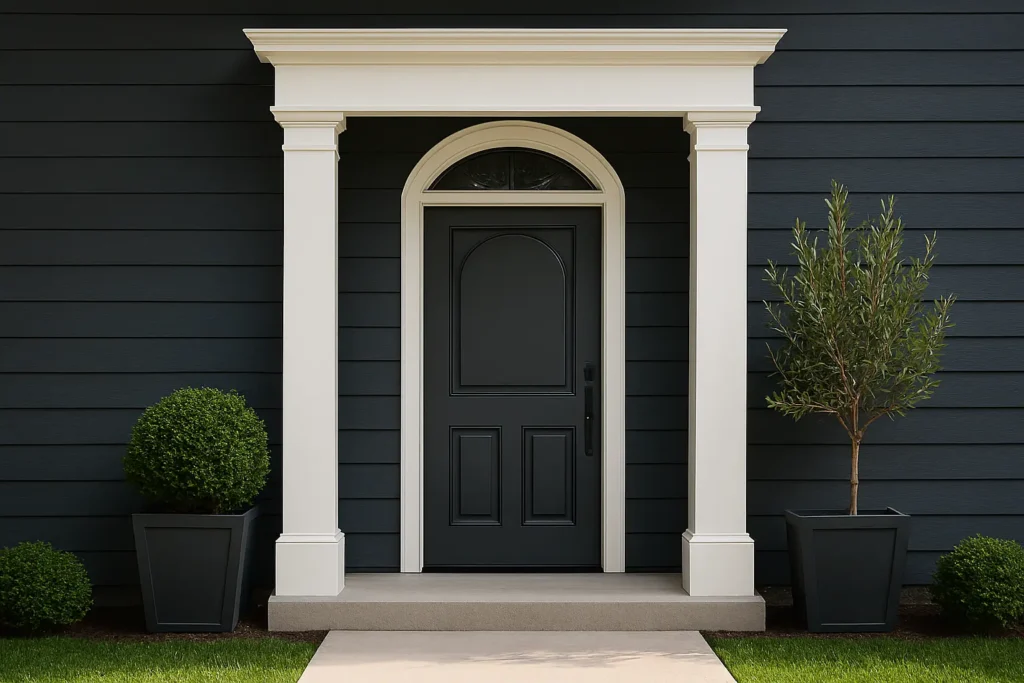
For added curb appeal, consider painting the front door or refreshing the garage walls, using the right garage wall paint makes a big difference. Indoors, clean white ceilings framed against dark gray walls can brighten the room, and if you’re refreshing older fences, staining a fence properly helps tie the whole look together.
Final Thoughts
If you’re asking whether dark gray paint increase home value, the short answer is yes. It’s modern, versatile, and proven to catch buyers’ attention. Combined with high-quality products and thoughtful prep work, it can be one of the smartest investments before listing your home.
Does Dark Gray Paint Add Value, or Just Help a House Sell Faster?
These are two different claims and they get blended together constantly. A colour can make a house sell more quickly, and to more people, without adding a single dollar of intrinsic value to the building. Most of what paint does at resale is the first thing, not the second.
The mechanism is worth understanding, because it tells you where to spend. A buyer walking into a house is not appraising it. They are deciding, within about a minute, whether they can imagine living there. A finish that reads as current and neutral removes friction from that decision. A finish that reads as dated, personal or worn adds friction, and friction shows up as fewer offers and a longer time on market rather than as a lower valuation on paper. Dark gray sits in the current neutral vocabulary, which is why it performs well in that first minute.
Where dark gray genuinely earns its reputation is on the outside and on accents. A dark exterior, a charcoal front door, or dark cabinetry against light walls creates contrast that photographs well, and photographs are where most buyers now form their first impression. That is a real effect, and it is largely a listing-photo effect. It is also cheap to produce compared with any other change that moves a buyer.
Where it goes wrong is scale and light. Dark gray on every wall of a small, north-facing room makes the room read smaller and greyer than it is, and in a house with limited natural light it can flatten the whole floor. The colour is not the problem; the quantity is. The version of this that works at resale is dark gray as the accent against a light field, not dark gray as the field.
There is one practical cost nobody mentions. Dark colours are harder to undo. A buyer who wants light walls is looking at a tinted primer and multiple coats, and some of them price that into their offer or simply move on. A pale neutral carries no such penalty. If you are painting specifically to sell, that asymmetry is an argument for keeping the dark tones on doors, trim, cabinetry and exterior rather than committing whole interior rooms to them.
When Dark Gray Is the Wrong Choice Before Selling
Dark gray photographs beautifully in some houses and works against you in others. These are the situations to avoid it.
- Small rooms with one window, or any north-facing room. Dark walls absorb the little light there is and the room reads smaller and colder in person than it did in the photos.
- Whole-house application. Dark gray as an accent reads considered. Dark gray on every wall reads like a decorating decision the buyer has to reverse.
- Over walls with visible damage. Dark, flat colours show every dent, patch and uneven seam under raking light far more than a mid-tone. If the walls are not smooth, a darker colour makes it worse.
- Where the fixed elements clash. Warm oak floors, brass fittings and beige tile can fight a cool gray badly. Match the undertone to what is staying in the house, not to a paint chip on its own.
- When you are selling immediately and the current paint is fine. Sound, neutral, clean walls do not need repainting. Cleaning, patching and touching up costs a fraction of a repaint and removes the same friction.
Frequently Asked Questions
Does painting a house before selling actually pay for itself?
The reliable effect is on how quickly and easily a house sells rather than on the appraised value. Fresh, neutral, undamaged paint removes an objection; it does not add an amount you can point to on paper. That said, painting is one of the cheapest ways to change a buyer’s first impression.
Is dark gray better on the exterior or the interior for resale?
Exterior and accents. A dark exterior, front door or cabinetry creates contrast that photographs well, which matters because most buyers form a first impression from listing photos. Dark gray across whole interior rooms carries more risk.
What is the safest paint colour if you are selling?
A light, warm-leaning neutral is the low-risk choice, because it suits the widest range of furniture and lighting and requires nothing of the buyer. Use stronger colours as accents against it rather than as the main field.
Will buyers deduct from an offer because of a dark interior?
Some do, and the reason is practical rather than aesthetic – covering a dark colour with a light one needs a tinted primer or an extra coat, so the buyer is pricing in real work. A pale neutral does not carry that penalty.
Should you repaint if the current walls are clean and neutral?
Usually not. Cleaning, filling and touching up costs far less and removes the same objection. Repaint when the colour is dated or personal, or when the surface is genuinely marked.
Does dark gray make a room look smaller?
In a room with limited natural light, yes – dark walls absorb light and the boundaries of the room become harder to read. In a bright room with good ceiling height the same colour can read as intentional and calm rather than cramped.
About the author: Sophie Ulman has renovated and painted more rooms than she can count — and made every mistake in the book so you don’t have to. She focuses on real-world durability: not how products perform on day one, but whether the repair holds through a full seasonal cycle.

