Best Clear Coat for Spray Paint: What Actually Lasts
Skip the clear coat and the spray job you spent a whole afternoon on starts failing within a season — gloss goes cloudy, edges chip, and a sun-facing panel yellows like an old phone case. Choosing the best clear coat for spray paint is the difference between a finish that survives a winter and one you redo by spring. I have sealed everything from plastic patio chairs to a motorcycle tank, and the wrong topcoat has bitten me more than once. A clear coat is also what keeps a seasonal display alive outdoors — see the best paint to use on pumpkins for what sealing does and does not fix on a real pumpkin.
The first time I clear-coated a freshly painted plastic planter, I grabbed whatever rattle-can was on the shelf and laid it on thick. Two weeks in full sun and the surface crazed into a web of tiny cracks. Here is what I learned: the clear coat has to flex and resist UV as well as — sometimes better than — the color underneath. This guide ranks the products that actually held up, matched to the job you are doing.
What this guide covers
Quick picks at a glance
| Clear coat | Best for | Finish | Stage |
|---|---|---|---|
| SprayMax 2K Glamour High Gloss | High-wear, automotive, projects you cannot redo | Gloss | SEAL |
| Rust-Oleum Stops Rust Crystal Clear | Budget all-purpose sealing on metal and wood | Gloss | SEAL |
| Krylon K01305 UV-Resistant Clear | Outdoor decor, painted plastic, art and display pieces | Gloss | SEAL |
| SprayMax 2K Semi Matte | Matte trim, dashboards, no-shine durable seal | Satin/Matte | SEAL |
The 4 clear coats I tested
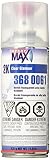
SprayMax 2K Glamour High Gloss Clear Coat
This is a true two-component (2K) clear in an aerosol. You press a button on the base of the can to release a hardener that mixes with the clear, so it cures by chemical reaction instead of just air-drying. That is why it ends up rock-hard: the cross-linked urethane film resists gasoline, brake fluid, hand oils, and UV in a way single-can lacquers never will.
I used it to reseal a painted motorcycle tank and a set of plastic mirror caps. After a full summer of sun and fuel splashes, the gloss was still mirror-flat with zero softening. The catch is real, though: once you activate the can you have roughly 24 to 48 hours to use it before the whole thing hardens inside. There is no putting it back on the shelf.
- Hardest, most chemical-resistant finish here
- UV-stable and non-yellowing
- True automotive-grade gloss
- Must be used within ~48 hours of activating
- Pricier per can
- Isocyanate fumes — respirator required
Best for: car parts, motorcycle tanks, and any high-wear surface you do not want to repaint for years.
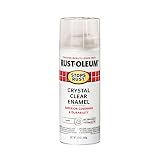
Rust-Oleum Stops Rust Gloss Crystal Clear
This is an oil-based enamel clear, not a lacquer, so it dries to a tougher film than the craft-store clears and stays flexible enough not to crack when metal expands in the heat. The any-angle spray tip lets you hold the can sideways or upside-down, which matters more than it sounds when you are sealing the underside of a railing.
I keep a can of this on the shelf for general sealing — painted tool handles, a repainted mailbox, a metal plant stand. It is the cheapest reliable option for the best clear coat for spray paint on a budget. One honest limitation: it stays soft for days. I stacked two coated shelf brackets after 24 hours and they left contact marks in the finish. Give it a full week before hard use.
- Cheapest dependable option
- Any-angle spray tip
- Flexible film resists cracking on metal
- Slow full cure (up to a week)
- Not fuel or solvent resistant
- Heavy coats can run
Best for: metal and wood projects where cost matters and the piece will not see chemicals or constant handling.
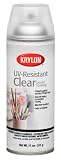
Krylon K01305 UV-Resistant Clear Gloss
This is an acrylic coating built specifically to block UV, which is the thing that fades color and yellows cheaper clears. It lays down thin and even, dries fast, and stays archival-clear — it will not amber over time the way some enamels do. That makes it the one I reach for on painted plastic and outdoor decor.
After my cracked-planter disaster, I switched to this on a second set of plastic pots and sprayed two thin coats instead of one heavy pass. A year of weather later, no crazing and no color shift. The trade-off is film thickness: this is a protective coating, not body armor. On a high-abrasion surface like a step or a car panel, it wears through faster than the 2K options.
- True UV protection, will not yellow
- Dries fast, sprays thin and even
- Safe over paint, photos, and crafts
- Thinner film, less abrasion resistance
- Needs multiple coats for real protection
- Not for high-touch automotive use
Best for: painted plastic, outdoor signs, garden decor, and artwork that lives in direct sun.
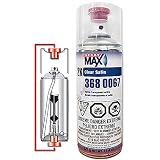
SprayMax 2K Semi Matte Clear Coat
Same activated 2K urethane chemistry as the Glamour gloss, but it cures to a flat, satin sheen instead of a shine. That is the whole point: it gives you the chemical and abrasion resistance of a hard automotive clear without the wet-look gloss, which is exactly what you want over matte black trim or a dashboard panel.
I sealed a set of repainted interior plastic vents with this. The matte stayed even and the panels shrugged off fingernail scratches that would have marked a softer coat. The same 24 to 48 hour activation window applies — plan your whole job before you press the button. One quirk with any matte clear: lay it down too thick and the flatness goes blotchy, so thin passes matter even more here.
- 2K toughness in a no-shine finish
- Chemical and scratch resistant
- Ideal over matte trim and dashboards
- ~48 hour activation window
- Thick coats go blotchy
- Respirator required
Best for: matte plastic trim, interior car panels, and anyone who wants durability without gloss.
Pro tips for a glass-smooth finish
Two thin coats always beat one thick coat. Always. A heavy pass is what traps solvent underneath and gives you that orange-peel texture or fish-eye dimpling everyone blames on the product. Keep the can about 10 inches off the surface, move past the edge before you let off the trigger, and overlap each pass by half.
Warm the can in a bucket of warm water for a few minutes before spraying in cool weather — cold propellant atomizes poorly and spatters. And recoat inside the window the label gives you (usually within an hour) or after it has fully cured; spraying during the in-between stage is what lifts the coat. If you are sealing a fresh color, let the paint flash off first — rushing it is the mistake I see most often.
How many cans will you need?

How to choose the best clear coat for spray paint
Match the chemistry to the abuse
The single most useful question is: what will touch this surface? Hands, fuel, and weather all attack a finish differently. For anything that sees chemicals or constant handling, a 2K urethane is worth the extra cost. For decor that just needs to look good and not yellow, an acrylic UV clear does the job for less. This is the heart of picking the best clear coat for spray paint — durability you do not need is money wasted, and durability you skip is a repaint.
Gloss, satin, or matte
Clear coats change the sheen of whatever is under them, so a gloss clear over a flat color reads glossy. Decide the look first. Gloss hides fewer surface flaws — every dust speck shows. Matte and satin are more forgiving on imperfect prep, which is one reason I lean matte on plastic trim.
UV resistance is not optional outdoors
If the piece lives in sunlight, UV resistance is the spec that matters most. Without it, even a clear coat will haze and the color beneath fades. Both the Krylon acrylic and the SprayMax 2K options are UV-stable; cheap general-purpose lacquers are not. Compatibility matters too — always seal over a fully cured base, and if you painted plastic with a plastic-specific paint, stick to a clear rated for flexible surfaces.
Prep beats product
Durability is 50% product quality and 50% surface preparation. The best clear coat for spray paint will still peel off a greasy or glossy surface. I learned to wipe everything with isopropyl alcohol and scuff slick finishes before the clear goes on — skip that and you are buying a do-over, no matter how good the can is.
When a clear coat will fail you
A clear coat is a topcoat, not a fix. It will not save paint that is already peeling, lifting, or flaking — it just locks the failure in place and seals moisture underneath. Strip and repaint first, full stop.
Do not put a hot solvent 2K clear over an uncured or incompatible base coat; the strong solvents can wrinkle and lift the paint underneath. And do not expect any aerosol clear to behave like a dipped, baked factory finish on a high-flex surface like a bumper without a flex additive — those need a different system. When in doubt, test on a hidden spot first.
Prep steps that actually matter
Clean the surface with isopropyl alcohol to strip every trace of oil and fingerprints. Let your base color cure to the touch — tacky paint and clear coat do not mix. Scuff glossy surfaces lightly with a fine pad so the clear has something to grip. Spray in a dust-free spot; a quick DIY spray booth keeps grit out of the wet film. Use a steady hand and a proper spraying technique, and if you are sealing engine or metal parts, confirm your clear is compatible with the underlying paint first. For touch-up jobs, a touch-up pen plus a dab of clear blends small chips cleanly. Working in the cold? Here is how to get paint to dry faster between coats.
Safety is not optional with 2K products. They release isocyanates, which the OSHA isocyanates standard flags as a respiratory hazard — wear a properly fitted respirator, not a dust mask. For ventilation and aerosol disposal basics, the EPA indoor air quality guidance is worth a read before you spray indoors.
The verdict
For a finish you never want to think about again — car parts, tanks, anything high-wear — the SprayMax 2K Glamour Gloss is the best clear coat for spray paint, period. Want matte instead of shine with the same toughness? Grab the SprayMax 2K Semi Matte. On a budget for general metal and wood, the Rust-Oleum Crystal Clear is hard to beat. And for outdoor plastic and art that must not yellow, the Krylon UV-Resistant Clear wins.
Frequently asked questions
Not always — but on anything outdoors, high-touch, or worth protecting, yes. The clear coat takes the UV, abrasion, and chemical hits so your color does not. Indoor decor that never gets handled can often skip it.
A 2K (two-component) urethane like the SprayMax Glamour. The activated hardener cross-links the film so it resists fuel, solvents, and scratching far better than any single-can lacquer or enamel.
Only if it is UV-resistant. A non-UV clear can yellow itself and let the color beneath fade. For sun exposure, choose a UV-rated acrylic or 2K clear specifically.
Either recoat within the label window — usually under an hour while the paint is still flashing — or wait until the base is fully cured, often 24 to 48 hours. Spraying in the tacky in-between stage lifts the finish.
Yes, but match it to the surface. A flexible acrylic UV clear works on most painted plastic decor; for high-flex automotive plastic, you need a clear rated for flexible substrates or a flex additive.
Two thin coats for most jobs, three for high-wear surfaces. Thin passes prevent runs and orange peel; one thick coat traps solvent and cures soft.


