Best Furniture Paint: Revive Your Pieces with Ease and Durability
The best furniture paint is the one that matches how much prep you are willing to do. If you will not sand, use a true all-in-one refinishing paint such as Beyond Paint All-in-One. If the piece is a dining table or a dresser top that takes daily abuse, scuff-sand, prime and use a hard enamel like Benjamin Moore Advance.
I have refinished enough thrift-store dressers to know that the paint is rarely what fails. What fails is the step before it: a waxy, greasy or glossy surface nobody cleaned, or an old oil finish that latex was never going to grip. So this guide sorts the paints by the prep each one needs, then covers the cleaning, testing and sealing that decide whether the finish lasts.
Why Choosing the Right Paint Matters
Furniture gets handled, bumped, wiped and leaned on in a way walls never are. Ordinary wall paint stays soft for a long time and can stay slightly tacky on shelves and tabletops, which is why a book left on a freshly painted shelf can pull a patch of paint off when you lift it. Furniture paint has to bond hard to whatever finish is already there and then cure to a surface you can wipe without scrubbing the color off.
Before you buy anything, find out what the old finish is. Rub a hidden spot with a cotton ball dampened with rubbing alcohol. If color comes off on the cotton, the old paint is latex, and almost any paint below will go over it after a clean and a scuff. If nothing happens, you are looking at oil paint or a hard clear coat, and that is where a bonding all-in-one or a sand-and-prime approach earns its keep. For bare or stained wood, my guide on what paint to use on wood goes deeper into primers and grain.
One more check on anything old: test before you sand, because sanding is how old paint ends up in the air you breathe. Here is how to identify lead paint before you start.
Top Picks: What to Use and When
Four paints, sorted from the most prep to the least. The first gives the hardest finish of the group. The other three are built to skip sanding and priming, which is what most weekend projects need.
Benjamin Moore Advance: Best Durable Paint for Furniture
Sold through Benjamin Moore dealers rather than on Amazon, so there is no link here. Advance is a waterborne alkyd: it cleans up with water, but it levels out and dries harder than ordinary latex, which is why painters use it on doors, trim and furniture. The catch is time. It stays workable long enough to flow out brush marks, and it wants a long wait between coats, so read the can and plan on one coat a day.
Pros: Hard, smooth finish; works with a brush, roller or sprayer.
Cons: Not a no-sand paint. Scuff-sand and prime first, and wash the piece the way I describe in how to clean walls before painting, because the same degreasing steps work on furniture.
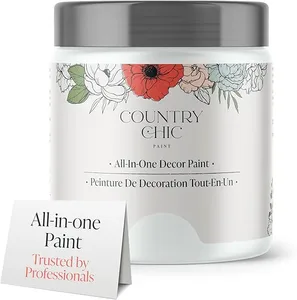
Country Chic All-in-One Chalk Paint, Best Furniture Paint No Sanding
A chalk-style paint with the primer and top coat built in. The link opens the white (Simplicity) pint. It dries to a flat matte that suits farmhouse and painted-antique looks, and it sands back easily if you want worn edges.
Pros: Little prep, low odor, easy to distress.
Cons: A matte chalk finish marks more easily than an enamel, so seal tabletops and drawer fronts. If you want a color you cannot buy off the shelf, my homemade chalk paint recipe shows how to mix your own.
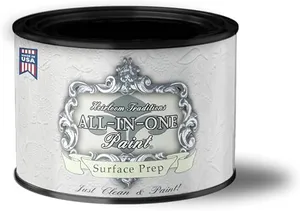
Heirloom Traditions All-in-One Paint, Best Furniture Paint Without Sanding
A water-based all-in-one with a soft velvet matte. The brand sells it for furniture and cabinets, and it is the one I would pick for a piece that gets touched a lot but rarely scrubbed, like a headboard or a bookcase. The link opens a search so you can choose the color and size.
Pros: Easy to brush, minimal prep, smooth look.
Cons: Matte shows fingerprints and may need touch-ups. The same brand makes a deglosser, which I cover in the prep section below.
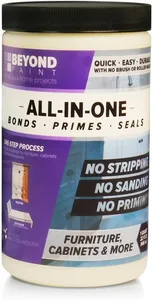
Beyond Paint All-in-One Refinishing Paint, Best Paint for Furniture Refinishing
Sold as a bond, primer and finish in one can that cures to a washable surface, with no stripping, sanding or priming on a clean surface. This is the one I would use on a laminate dresser or over an old glossy finish that I do not want to sand.
Pros: One product instead of three; washable once cured.
Cons: The color range is limited, so look at the chart before you plan a room around it.
Brush, Roller or Sprayer?
For a dresser or a nightstand, a good brush and a small foam roller get you most of the way. Roll the flat panels, then lightly drag a brush through the wet paint in one direction so the texture matches the edges. The thick all-in-one paints look best in two thin coats rather than one heavy one.
Spraying gives the smoothest finish, especially with Advance, but it is overkill for a single side table once you count masking and cleanup. If you have a set of chairs, a bank of drawers or a stack of cabinet doors, a small HVLP sprayer pays back the setup time, and my picks for that job are in the best small paint sprayer guide, and for furniture in particular I wrote up which sprayer setups give a smooth finish on furniture. Thin only as far as the can allows for spraying, and test on cardboard before you touch the piece.
Quick Comparison Table
| Scenario | Recommended Paint | Best For | Prep Needed? |
|---|---|---|---|
| Old furniture, serious use | Benjamin Moore Advance | Durable finish, everyday wear | Light sanding & primer |
| No sanding, smooth matte finish | Country Chic All-in-One Chalk Paint | Ease, quick projects | None |
| Minimal prep, versatile surfaces | Heirloom Traditions All-in-One | Wood, metal, fabric | None |
| Efficient refinishing in few coats | Beyond Paint All-in-One | Speedy, washable finish | Clean only |
Prep, Test and Seal: What Makes the Finish Last
No-sand does not mean no prep. These five steps are where most painted furniture succeeds or fails.
Prep Smarter, Not Harder
Wash the piece with a degreasing cleaner, rinse, and let it dry completely. Then scuff any glossy area with a fine sanding sponge, or wipe it with a liquid surface-prep deglosser such as Heirloom Traditions Deglosser (16 oz). Kitchen chairs and dining tables carry years of hand oil and furniture polish, and paint will bead up or peel over both.
Test Patch First
Paint the back of a drawer front or the inside of a door first. Give it a day, press a strip of painter’s tape on it and pull it off fast. If paint comes up with the tape, the surface needs more cleaning, a scuff or a bonding primer before you go further. Check the color in the room where the piece will live, too, since store light and home light rarely match.
Seal as Needed
Matte chalk finishes need a clear coat anywhere hands, cups or keys land. Wax keeps the soft look but needs renewing; a water-based polyurethane is tougher. Skip oil-based polyurethane over white or pale colors, because it ambers as it ages. For pieces near a sink, in a bathroom or by the back door, my guide to waterproofing painted wood is the next read.
Let It Level, Then Leave It Alone
Advance and the all-in-one paints level out as they dry, but only if you stop touching them. Lay the paint on, smooth it once and walk away. Going back over a half-dry area is what leaves drag marks. If you spray instead, set the pattern on a scrap board before you start on the piece.
Mind the Finish
Matte hides dents and old repairs. Satin and semi-gloss wipe clean more easily but show every flaw underneath. On a piece that gets heavy use, I spend the extra hour filling and sanding and go with satin. On a rough old piece, matte forgives more.
Where to Buy the No-Sand Paints
The three no-sand paints from above, with the version each link opens. Benjamin Moore Advance is not here because it is sold through paint dealers.
Heirloom Traditions All-in-One Furniture Paint
The link opens a search for the Heirloom Traditions All-in-One paint so you can pick the color and size. It is sold as a no-sand, no-prime paint and dries to a velvet matte.
Country Chic All-in-One Chalk Paint
The white (Simplicity) pint, with primer and top coat built in, for wood and metal. On laminate, clean and scuff first and do the tape test on the back.
Beyond Paint All-in-One Refinishing Paint
The Bright White quart. It is sold for cabinets, countertops and furniture with no sanding and cures to a washable surface. This is the one I reach for on a laminate dresser. For laminate cabinet doors specifically, see my guide to the best paint for laminate cabinets.
When NOT to Use a No-Sand Furniture Paint
- A dining or kitchen table that sees hot plates and daily wiping. Sand, prime, use a hard enamel and add a clear coat. No-sand paints are a shortcut, and tabletops are where shortcuts show first.
- The old paint is flaking or crazed. New paint only holds as well as the layer under it. Strip or sand back to a sound surface first.
- A piece with antique or collector value. Paint is hard to undo. Have it looked at before you open a can.
- Outdoor furniture. Unless the label says exterior, a furniture paint is not built for sun and rain. Check the can before it goes on the porch.
Final Thoughts: Best Furniture Paint for Your Project
If the piece has to take a beating, sand, prime and use Benjamin Moore Advance. For a weekend project with no sanding, go with Country Chic All-in-One or Heirloom Traditions All-in-One. For laminate or an old glossy finish, use Beyond Paint.
Whatever paint you choose, give it time. Most of these are dry to the touch the same day but take weeks to fully harden, so go easy on the piece at first: no heavy lamps dragged across the top and no rubber-footed objects left sitting on it. To work out how much paint a piece needs before you order, try the furniture paint calculator.
Furniture Paint FAQ
Do I have to sand furniture before painting it?
Not always. All-in-one paints are made to skip full sanding on clean surfaces. A quick scuff with a fine sanding sponge on glossy spots still improves grip, and a tape test on a hidden area tells you whether you can get away without it.
What is the best paint for refurbishing old furniture?
Test the old finish first with a cotton ball and rubbing alcohol. Over old latex, almost any paint here works after a good cleaning. Over oil paint or a glossy clear coat, use a bonding all-in-one such as Beyond Paint, or sand and prime before an enamel like Benjamin Moore Advance.
What is the most durable paint for furniture?
Of the paints here, Benjamin Moore Advance gives the hardest finish, as long as you sand and prime first. Any of them gets tougher with a water-based polyurethane on the surfaces you touch most.
Do I need to seal chalk paint on furniture?
On anything that gets handled, yes. Wax keeps the soft look but needs renewing. A water-based polyurethane is tougher and the better choice for tabletops.
Can I paint laminate or IKEA furniture?
Yes, with a good cleaning, a light scuff and a paint or primer that bonds to slick surfaces. Do a tape test on the back panel before you paint the front. My guide to the best paint for laminate cabinets goes into more detail.
How long before I can use painted furniture?
Most of these paints are dry to the touch the same day, but they take weeks to fully harden. Use the piece gently until then and check the can for the maker’s cure time.
About the author — Sophie Ulman
Sophie Ulman has renovated and painted more rooms than she can count, and made every mistake in the book so you do not have to. She focuses on whether a finish holds up after months of daily use, not how it looks on day one.
