Best Paint for Ceramic Tiles Floors
Ceramic tile floors are durable, stylish, and built to last. But if you want to give them a new look or revive their charm, painting can be a smart and cost-effective choice. To get results that last, you need the best paint for ceramic tiles floors and the right preparation.
This guide covers everything from choosing paint suitable for ceramic tiles to step-by-step application, plus expert-recommended products and real reviews to help you decide.
Why Regular Paint Doesn’t Work on Tile Floors
Ceramic tiles have a smooth, non-porous, and often glazed surface. This makes it hard for standard paints to stick. Common problems include:
- Peeling or flaking paint due to poor adhesion
- Water damage or mold from moisture exposure
- Fast wear and scuffing under foot traffic
If you want your paint job to last, it’s critical to choose the right products and follow a proper process. Preparing the surface thoroughly is just as important as picking the right paint, similar to how surface prep improves results when painting a concrete floor.
What to Look For in Paint Suitable for Ceramic Tiles
When shopping for paint suitable for ceramic tiles, focus on these essential features:
| Feature | Why It Matters |
|---|---|
| Strong adhesion or bonding primer compatibility | Ensures paint sticks to slick tile surfaces |
| Epoxy, polyurethane, or urethane base | Delivers toughness, chemical resistance, and durability |
| Waterproof or moisture-resistant | Prevents peeling in bathrooms, kitchens, or outdoor areas |
| Semi-gloss or gloss finish | Easier to clean and more resistant to stains |
| Non-slip additives | Improves safety, especially on wet floors |
| Long cure time | Allows paint to harden fully for maximum durability |
Before painting, always deep-clean the tiles first. If you’re unsure how, follow this simple guide on how to clean walls before painting — the same cleaning principles apply to tile.
Sherwin Williams Floor Tile Paint and Other Trusted Brands
One of the most reliable options is Sherwin Williams floor tile paint, such as their Tile-Clad HS epoxy system. This commercial-grade coating is highly resistant to abrasion, chemicals, and moisture. It’s often used in industrial environments, so it can easily handle residential foot traffic.
Sherwin-Williams also offers urethane and epoxy floor coatings for ceramic tile that are ideal if you want a professional finish and long-term durability. Just make sure to let the paint cure fully before use, if you’re unsure how long to wait, check this helpful guide on how long does it take to paint a room.
Choosing the Right Paint by Area
Different areas of your home have different demands. Here’s what works best:
High-Traffic Floors
Use two-part epoxy or industrial urethane paint. These are scratch-resistant and can handle heavy foot traffic. In high-wear areas, using the right tools like a quality paint roller cover will also help ensure even application and reduce streaking.
Bathroom Floors
Choose a waterproof paint for ceramic tile that can resist constant moisture, soap, and mildew. This is crucial for safety and longevity. For extra protection, consider adding a mold-resistant primer like those used in bathroom ceiling paint to prevent mold.
Kitchen Backsplash or Wall Tile
For walls and backsplashes, you can use lighter-duty best ceramic wall tile paint or best paint for tile backsplash. These areas don’t take foot traffic, so adhesion and water resistance are the main concerns.
How to Prep Ceramic Tile Floors Before Painting
Preparation is everything. Even the top rated ceramic tile paint will fail without proper prep. Here’s how:
- Deep Clean
Scrub the tile thoroughly using a degreaser or trisodium phosphate to remove all dirt, grease, and soap residue. - Sand or Etch
Lightly scuff the glazed surface using fine-grit sandpaper to give the paint something to grip. - Prime with Bonding Primer
Use a high-adhesion bonding primer like Sherwin-Williams Extreme Bond Primer. - Apply Paint in Thin Coats
Apply multiple thin coats instead of one thick coat for even coverage and better durability. - Seal or Topcoat
If the paint requires it, add a clear protective topcoat for extra strength. - Let It Cure
Follow the manufacturer’s cure time instructions before walking on the floor or exposing it to water.
If you’re painting in humid conditions, these tips on how to make paint dry fast can help you speed up the process safely.
Best Waterproof Tile Paint for Bathrooms
Bathrooms require waterproof tile paint for bathroom floors. Epoxy-based paints work best here because they resist mold, mildew, and constant moisture. Make sure to add a non-slip additive to avoid accidents on wet tiles.
For bathroom projects, you can also look at moisture-resistant products like best ceiling paint for high moisture bathrooms which pair well with tile floor upgrades.
Top Rated Ceramic Tile Paint: Product Reviews
Here are some of the most reliable options on Amazon based on performance, durability, and user experience.
DWIL Tub & Tile Refinishing Kit (33 oz)

Pros
- Water-based acrylic formula
- Includes tools and hardener
- Low odor and beginner-friendly
Cons
- Needs very clean surface
- Not ideal for heavy traffic floors
Best For
Light-traffic areas, wall tiles, and backsplashes.
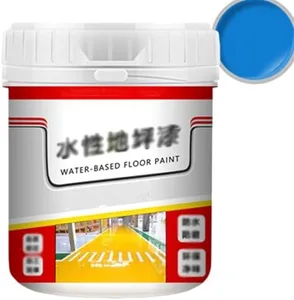
Gold Silk Waterproof 2K Epoxy Floor Paint
Pros
- Two-part epoxy formula
- Extremely durable and waterproof
- Ideal for heavy use
Cons
- Requires mixing and careful application
- Strong fumes during application
Best For
Kitchens, bathrooms, and high-traffic floors.
High-Gloss Marble-Effect Epoxy Floor Paint

Pros
- Stylish high-gloss finish
- Waterproof and chemical-resistant
- Decorative marble-like effect
Cons
- Can be slippery when wet
- Shows scratches more easily
Best For
Stylish rooms where appearance matters more than heavy-duty use.
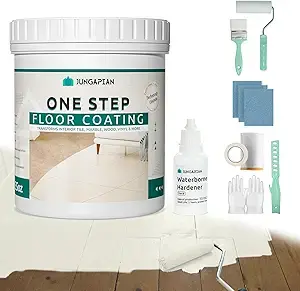
Jungarian All-in-One Floor Coating Kit
Pros
- One-step process
- Low odor and easy to apply
- Budget-friendly
Cons
- Less durable for high-traffic areas
Best For
Quick DIY updates or rental properties.
Best Paint for Tile Backsplash
The best paint for tile backsplash should be water-resistant, easy to clean, and resistant to grease. Epoxy and enamel-based paints are ideal. Since backsplashes aren’t walked on, you can focus more on aesthetics and less on abrasion resistance.
If you want to make your backsplash color pop, consider pairing it with shades similar to these best blue-gray paint colors for a fresh, modern look.
Pros and Cons of Painting Ceramic Tile Floors
| Pros | Cons |
|---|---|
| Affordable vs replacing tiles | May not be as durable as new tiles |
| Quick visual upgrade | Requires extensive prep |
| Customizable color and finish | Can chip under heavy traffic |
| Ideal for rentals and budget makeovers | Needs touch-ups over time |
Step-by-Step Painting Process
Follow these steps for long-lasting results:
- Move furniture and mask edges
- Deep clean tiles
- Sand surface lightly
- Apply bonding primer
- Apply thin coats of paint
- Add a topcoat if required
- Allow full curing before use
If you notice paint drips or streaks during painting, here’s a quick fix: how to fix paint drips.
Maintenance and Durability
Even the best paint will need care:
- Avoid harsh cleaners and scrubbing pads
- Wipe spills quickly to prevent staining
- Place rugs or mats in high-traffic areas
- Keep leftover paint for touch-ups
For best long-term performance, protect your newly painted tile with rugs or runners just like you would after finishing wood paneling painting.
Final Thoughts
Painting ceramic tile floors is a smart way to refresh your space without a costly remodel. For maximum durability, choose epoxy or urethane-based floor coatings for ceramic tile like Sherwin Williams floor tile paint. For smaller projects, try refinishing kits or water-based acrylic paints.
Do the prep thoroughly, allow enough curing time, and your painted tile floor can look beautiful for years.