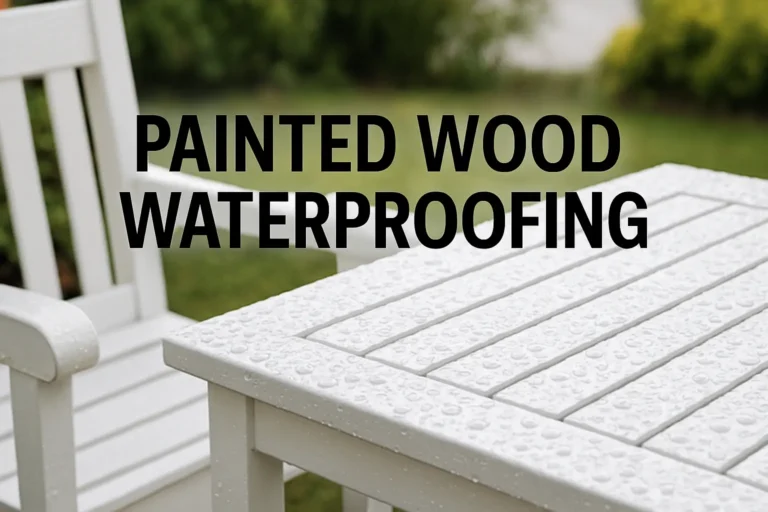
Can You Paint Trex Decking? Yes, With the Right Primer
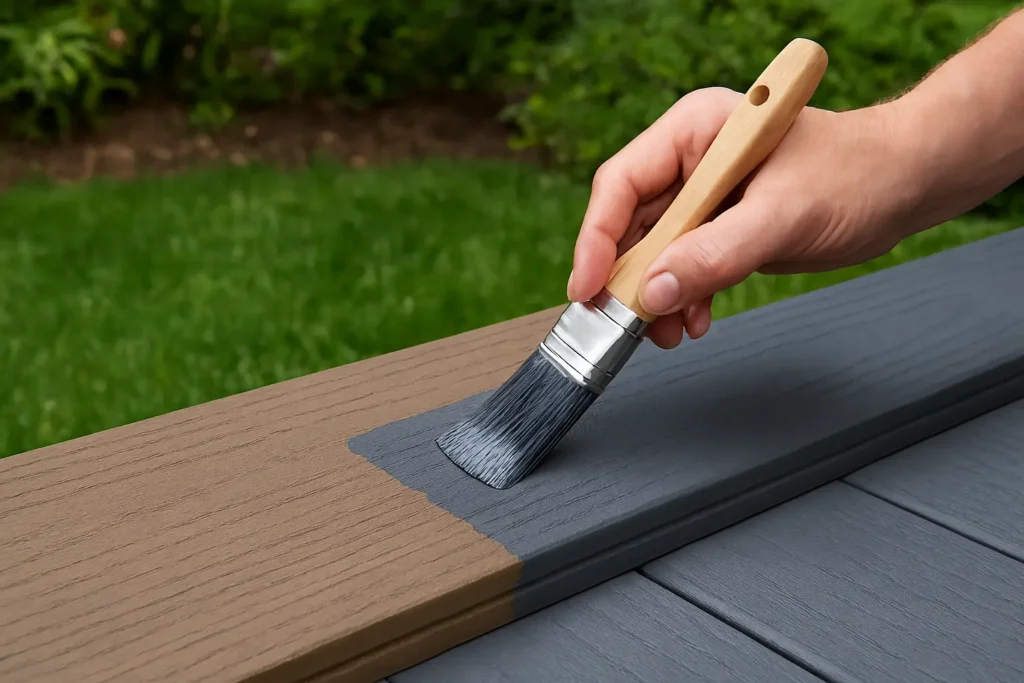
If you’ve ever stood on your Trex deck and wondered, “Can you paint Trex decking?”, you’re not alone. While composite decking like Trex is famous for being low-maintenance, years of sun exposure can leave it looking faded and tired. Related: can you paint composite decking.
The short answer is Yes, you can absolutely paint or stain Trex decking to give it a brand-new look. However, because it’s a non-porous composite material, you can’t just slap on regular wood paint and hope for the best.
Watch: refreshing a faded Trex deck, start to finish.
I learned the primer lesson the expensive way. The first Trex deck I refinished was a second-generation capped board, and I treated it like wood: pressure wash, one coat of exterior acrylic, done in a weekend. It looked excellent for about five months. Then the first freeze came, the boards moved, and the paint let go in sheets along every board edge — not flaking, peeling, like a sticker. I stripped the whole thing and started over with a bonding primer. That version is going into its fifth summer with nothing worse than a scuffed traffic lane.
So the honest answer to “can you paint Trex decking” is yes, and it lasts — but the primer is doing almost all of the work. Prep and primer decide whether this holds through a full seasonal cycle. The topcoat brand matters far less than either.
Can Trex Decking Be Painted or Stained? (The Facts)
Trex is a blend of wood fibers and recycled plastics. Older generations of Trex (pre-2010) are much easier to paint because they are more porous. Newer “capped” composite boards have a protective shell that requires specific bonding primers to ensure the paint doesn’t peel after the first winter.
- Painting: Best for a complete color change (e.g., going from brown to modern gray).
- Staining: Best if you want to keep a wood-like texture. Use solid-color stains only.
- Refinishing: A great way to restore the original “pop” without a full color change.
The Three Products This Job Actually Needs
You need two products, or three if your boards are damaged rather than just faded. I have listed them in the order you apply them, and I have been specific about where each one disappoints — because on composite, the failure mode is always the same and it is always the primer’s fault.
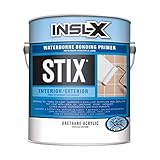
INSL-X Stix Acrylic Waterborne Bonding Primer, 1 Gallon
This is the one product on the page I will not let you substitute. Stix is a urethane-modified acrylic, which is a different animal from an all-surface wall primer — the urethane gives the cured film a grip on slick, non-porous material that a standard acrylic primer simply does not have. The label lists PVC, vinyl, fiberglass, glass and glossy paint, and a capped Trex board is chemically closer to that list than it is to wood.
Where it disappoints: it is white, and it takes two coats to hide under a dark topcoat. It also needs a genuinely dry board — roll it onto composite that is still damp from washing and it goes on fine, then sheets off with the topcoat six months later.
Spreads 300–400 sq ft per gallon and cures down to 35°F, which is what makes an October deck job realistic in a cold climate.
Best for: capped, second-generation Trex — any board where water beads instead of soaking in.
Check Price on Amazon →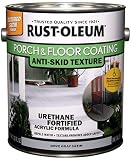
Rust-Oleum 262365 Porch & Floor Coating, Satin, 1 Gallon
A urethane-fortified acrylic, which matters here for one specific reason: the cured film stays flexible. A Trex board expands and contracts measurably across a summer day, and a hard-curing oil floor enamel cracks along the board seams when it does. Acrylic stretches with the board instead of splitting.
Where it disappoints: the satin sheen shows footprints and pollen more than a flat would, so a shaded deck under trees needs sweeping to look its best. And it is a floor product — on railings it dries looking dull and lifeless.
Two thin coats always beat one thick coat here. One heavy coat skins over and stays soft underneath for days.
Best for: the walking surface: boards, stair treads, and landings.
Check Price on Amazon →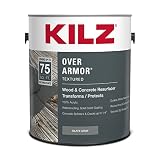
KILZ Over Armor Textured Solid Coating Resurfacer, 1 Gallon
This is a resurfacer, not a paint — a 100% acrylic coating thick enough to bridge splinters and cracks up to a quarter inch and leave a textured, slip-resistant surface behind. Where a normal topcoat sinks into a crack and highlights it, this fills it.
Where it disappoints: coverage is the catch. It spreads roughly 75 sq ft per gallon and needs two coats, so a 300 sq ft deck is eight gallons, not two. On boards that are only faded rather than damaged, that is money spent on texture you did not need.
Recoat at 4–6 hours, but do not walk on it for 72 hours — the full cure is slower than the recoat window suggests.
Best for: older uncapped Trex that has gone grey, splintery, or checked at the ends.
Check Price on Amazon →Comparison: Painting vs. Staining Trex Decking
| Feature | Painting | Solid Staining |
| Durability | High (5-7 years) | Medium (3-5 years) |
| Look | Solid, Modern | Natural, Textured |
| Ease of Use | Requires Primer | Usually 1-step process |
| Maintenance | Low | Requires more frequent touch-ups |
How to Paint Trex: A Pro-Level Step-by-Step Guide
Step 1: Deep Cleaning (Non-Negotiable)
Paint won’t stick to mildew or dirt. Use a dedicated deck cleaner.
- Use an oxygenated deck cleaner, not bleach. Bleach eats the wood flour inside the composite and leaves a chalky surface that primer grips badly. Scrub with the grain, rinse twice, and let the boards dry a full 48 hours. If your boards are the older uncapped generation, my breakdown of the best paint for composite decking walks through the cleaner-to-primer sequence board by board.
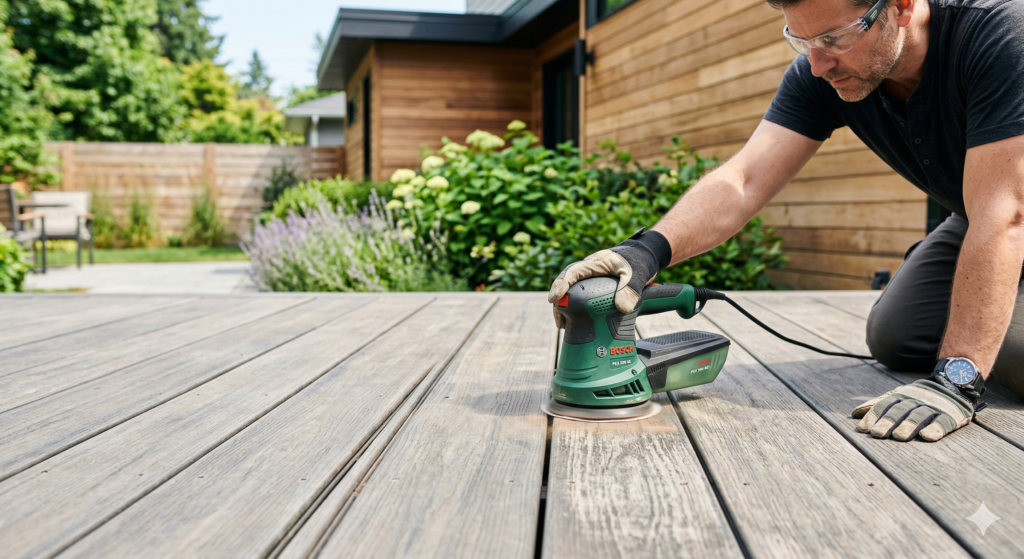
Step 2: Light Sanding (240 Grit)
You don’t need to sand the wood away, just “scuff” the surface to remove the factory shine.
Step 3: Apply the Bonding Primer
Apply one thin, even coat. This is the secret to preventing peeling.
- Capped boards are essentially a plastic shell, so a wall primer will not hold. Use a true bonding primer — the same category I cover in the best primer for plastic. Two thin coats always beat one thick coat here; a heavy coat skins over and stays soft underneath.
Step 4: Apply Your Top Coat
Use a roller for the main boards and a brush for the gaps.
- Watch the surface temperature, not the air temperature. A deck in direct sun can sit 30°F above the forecast. Above roughly 90°F the coating skins instantly and traps solvent, which is what causes bubbling two weeks later. Paint the shaded half in the morning and the sunny half late in the day. If you would rather stain than paint, read solid vs. semi-transparent deck stain first — only solid-color stain has enough pigment to sit on composite.
Is Painting Trex Decking Worth It?
Run the numbers before you run to the store. A 300 sq ft deck takes about a gallon of bonding primer and two to three gallons of floor coating — call it $200 to $300 in materials at typical retail, plus a weekend. Re-decking the same footprint in composite runs into the thousands. On cost alone it is not a close call.
What you are actually buying, though, is a maintenance obligation. Bare Trex is genuinely no-maintenance — that is the entire reason people pay for it. A painted deck is a maintained surface from the day the coating dries: expect to spot-roll the traffic lanes every three to four years, permanently, and to touch up stair nosings sooner than that. If you sell the house in two years, that is somebody else’s problem and painting is a clear win. If you plan to stay fifteen, you have signed up for four or five refresh cycles. That is the trade, stated honestly, and it is the part most guides leave out.
How to Tell Which Generation of Trex You Have
This is the one check that decides your whole product list, and it takes about ten seconds. Flick a few drops of water onto a clean, dry board and wait five minutes.
- The water soaks in and darkens the board — uncapped Trex, generally installed before about 2010. It is porous, it takes primer readily, and a quality exterior acrylic will bond well. This is the easy case.
- The water beads and sits there — capped composite. There is a polymer shell over the core, and nothing sticks to it without a bonding primer. Skip the primer here and you get the sheet-peeling failure I described above.
Boards with heavy mildew staining or a grey chalky bloom will fail this test in a misleading way, so scrub a one-foot patch clean first. Chalk on your palm after you rub a dry board is oxidised surface polymer — it has to come off before anything goes on, or you are painting onto dust.
Paint and stain are not interchangeable here. Paint sits on top as a film; stain is meant to soak in, and a composite board has almost nothing to soak into. I answered that one separately in can you stain Trex decking, because the failure mode is different — a film peels, a stain simply sits on the cap and washes off.
Does Painting Trex Void the Warranty?
Usually, yes — and this is the part most guides skip. Trex fade-and-stain warranties are written around the board leaving the factory in its original state. Coating the surface generally ends any claim tied to fade, stain, or surface appearance. Structural coverage on the board itself is a separate clause and is often unaffected, but you should read your own paperwork rather than take my word for it, because the terms differ between the 10, 25, and lifetime tiers.
The practical read: if your deck is under five years old and still inside a meaningful fade warranty, call the manufacturer before you buy primer. A warranty replacement of faded boards costs you nothing. If the deck is 10 or 15 years old and the warranty window has closed, you have nothing left to lose and painting is the cheapest route to a deck that looks new — typically a few hundred dollars in materials against several thousand to re-board.
When NOT to Paint Your Trex Deck
I would rather talk you out of this than have it fail on you. Do not paint if any of these apply:
- The boards are still under an active fade warranty. Claim first, paint later.
- Boards are cupping, spongy, or mushrooming around the screws. That is moisture inside the core. Paint seals it in and accelerates the rot — replace those boards instead.
- You want a lighter colour on a full-sun deck. Dark paint on composite in direct sun runs hot enough to be unpleasant barefoot, and heat cycling is the fastest way to break adhesion. Stay at or lighter than the original board colour.
- You are unwilling to touch up. Bare Trex is genuinely no-maintenance. Painted Trex is a maintained surface: expect a traffic-lane refresh every three to four years, permanently. That is the real trade you are making.
Curing, Cost, and What to Expect After a Year
Dry time and cure time are not the same thing, and confusing them is the second most common way this job goes wrong. A porch and floor coating is walkable in about 24 hours but does not reach full hardness for seven days. Put the patio furniture back on day two and you will lift the coating off in furniture-foot-shaped circles. Keep the deck completely clear for a week — no planters, no grill, no dog.
On cost, a 300-square-foot deck runs roughly a gallon of bonding primer and two to three of floor coating, which lands in the region of $200 to $300 in materials at typical retail. Compare that with the cost of re-decking the same footprint and the maths is not close.
After a full seasonal cycle, what I see on a properly primed deck is wear in the walking lanes and around the stair nosing — not peeling. That is normal and it is why I recommend buying an extra quart of the topcoat and labelling it with the date. Spot-rolling a traffic lane in year three is a 40-minute job. Waiting until the coating fails back to bare board is a full weekend again.
For the general prep principles behind all of this — why chalk, mildew, and surface temperature matter more than the brand on the can — the Family Handyman deck-finishing archive and This Old House both cover exterior coating failure well. If this project has you thinking about the rest of the house, the same bonding-primer logic applies to painting vinyl windows, and to older wood decks where the surface is sound but grey.
Frequently Asked Questions
Can you paint Trex railing?
Yes, and railings are the easier half of the job because nobody walks on them. Same bonding primer, but switch to a satin or semi-gloss exterior enamel instead of a floor coating — floor products are formulated to be walked on and look flat and dull on a vertical surface. Pull the balusters if they unscrew; brushing between them in place doubles the time.
What is the easiest way to paint Trex?
Clean, dry 48 hours, scuff with 220–240 grit, one thin coat of bonding primer, two thin coats of porch and floor coating. There is no shortcut that removes the primer step. The all-in-one “deck resurfacer” products advertise as primer-included, and on uncapped Trex they are fine, but on capped boards I have watched them fail exactly like plain paint.
How long does paint last on Trex decking?
Five to seven years on the field of the deck with a bonding primer under a quality floor coating, and three to four years in the traffic lanes and on stair treads. Without a bonding primer on capped board, expect failure inside a single freeze-thaw cycle — roughly one winter.
Can you stain Trex decking instead of painting it?
Only with a solid-colour stain. Semi-transparent and translucent stains work by soaking into wood pores, and composite has none to soak into — the stain sits on top, dries blotchy, and wipes off on bare feet. Solid stain is essentially a thin paint with pigment doing the work, which is why it is the only version that holds.
Do you have to sand Trex before painting?
On capped boards, yes — but scuffing, not sanding. You are dulling the factory sheen so the primer has tooth, not removing material. A pole sander with 220 grit and light pressure across a 300-square-foot deck takes under an hour. On older uncapped boards you can usually skip it if the surface is clean and already dull.
Can you paint Trex decking a lighter colour?
Going lighter is the safe direction, since a light surface runs cooler and puts less heat stress on the bond. Going darker on a full-sun deck is the one I push back on: the board gets hot enough to be uncomfortable barefoot, and the daily expansion cycle works against the coating.
What paint sticks best to composite decking?
A 100% acrylic porch and floor coating, over a shellac- or urethane-based bonding primer. Acrylic is the right chemistry because it stays flexible — the cured film stretches as the board expands and contracts rather than cracking. Oil-based floor enamel cures harder and looks great for a season, then cracks along the board seams.
About the author: Sophie Ulman has renovated and painted more rooms than she can count — and made every mistake in the book so you don’t have to. She focuses on real-world durability: not how products perform on day one, but whether the repair holds through a full seasonal cycle.
ThePaintly is reader-supported. Our picks are based on manufacturer specifications and what users report. When you buy through links on this site, we may earn an affiliate commission at no extra cost to you.