Best Paint Remover for Metal: What Actually Works
Removing paint from metal can be tricky. Metal surfaces are durable, but they also hold on to old paint stubbornly. Whether you’re stripping an old garden gate, metal furniture, or machinery, you need something strong enough to cut through layers of paint without damaging the metal underneath.
In this guide, we’ll explore the best paint remover for metal, compare different types of removers, review the strongest paint remover for metal, and even share tools for mechanical paint removal. You’ll also find real user feedback, pros and cons, and buying links.
Why Proper Paint Removal on Metal Matters
Before you grab any paint stripper, it’s important to understand why proper removal is crucial:
- Ensures better adhesion of new paint layers
- Prevents rust or moisture from getting trapped under leftover paint
- Creates a smoother, longer-lasting finish
- Saves time and cost of rework later
If you plan to repaint after removing paint, it’s smart to clean walls before painting nearby areas to avoid dust contamination and make paint dry fast so your new coating cures properly.
Types of Paint Removal Methods
There are three main methods to remove paint from metal: chemical, mechanical, and heat. Sometimes combining them gives the best results.
Chemical Paint Removers
Pros
- Dissolve multiple paint layers
- Effective on detailed or intricate metal shapes
- Minimal scratching of the base metal
Cons
- Can be messy and slow
- May require neutralization afterward
- Fumes require good ventilation
Mechanical Paint Removers
Pros
- Very fast on flat metal surfaces
- No toxic fumes
- Ideal for large outdoor metal projects
Cons
- Can scratch or gouge metal if used carelessly
- Creates dust and debris
- Not ideal for fine detail work
If you go the mechanical route, make sure to clean tools afterward. Our guide on the best paint roller cleaner shows quick cleanup methods that work for brushes and scrapers too.
Heat or Thermal Paint Removal
Pros
- Softens or blisters paint for easy scraping
- No chemical residue
Cons
- Can warp or discolor metal
- Requires good safety precautions
- May release toxic fumes from old paint
What Makes the Strongest Paint Remover for Metal
When shopping for the strongest paint remover for metal, look for these qualities:
- High potency: can remove tough enamels, epoxies, or multiple old layers
- Cling; gel or paste consistency that stays on vertical metal surfaces
- Metal compatibility: safe for steel, aluminum, iron, brass, and alloys
- Easy cleanup: rinses off cleanly without damaging the metal
- Fewer applications needed: effective in fewer passes saves time and cost
Best Paint Removers for Metal
Here are the top-rated and most effective products for stripping paint off metal, based on reviews and performance.
Dumond Smart Strip Advanced Paint Remover
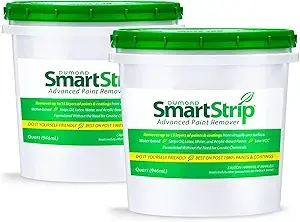
Pros
- Non-caustic and low odor
- Removes up to 15 layers of paint
- Works on metal, wood, masonry, stone
- Stays wet longer on vertical metal surfaces
Cons
- Slower on thick enamel or epoxy
- May need multiple applications
- Requires thorough cleanup
Verdict: Ideal for DIYers who want a safer, eco-friendly paint remover that still packs good strength.
Blue Bear 605PRO Coatings Remover
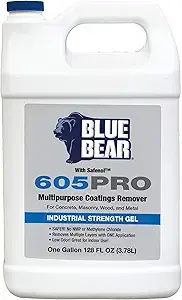
Pros
- Professional-strength remover
- Removes paint, varnish, enamel, and urethane
- Clings to vertical metal surfaces
- Low odor, non-caustic
Cons
- Requires protective gear
- May darken bare metal if not neutralized
- Thick formula can miss tiny crevices
Verdict: One of the strongest paint stripper for metal, perfect for heavy-duty jobs on steel, iron, or aluminum.
Max Strip Paint & Varnish Stripper
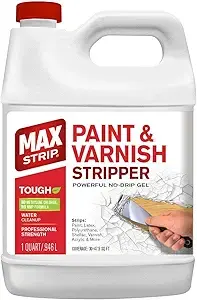
Pros
- Low-VOC and non-toxic
- Safe for metal, wood, and masonry
- Budget-friendly option
Cons
- Less effective on multiple thick layers
- Requires more elbow grease
Verdict: Great for light-duty paint removal from metal furniture or small projects.
Klean-Strip Aircraft Ultra Paint Remover
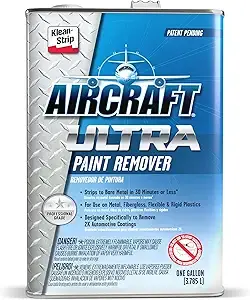
Pros
- Extremely powerful and fast
- Removes automotive-grade paints
- Ideal for large outdoor metal items
Cons
- Harsh fumes and chemicals
- Requires strong protective gear
- Not for indoor use
Verdict: A strong paint remover for metal surfaces with automotive or industrial finishes.
StripPaint 9900 Powder Coat Remover
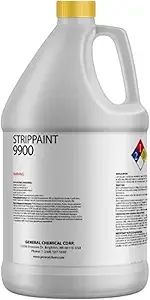
Pros
- Designed for powder-coated metal
- Strong commercial-grade formula
- Works on tough cured coatings
Cons
- Very strong chemicals
- Needs careful handling and neutralizing
Verdict: Best for removing baked-on or powder coatings from metal.
Best Mechanical Paint Remover Tools
Sometimes the best mechanical paint remover can be just as useful as chemicals. These tools help strip stubborn paint or clean off residues:
- Wire wheel or wire cup brush on an angle grinder: fast on flat steel or iron surfaces
- Flap discs: smooth metal after paint removal
- Sandblasting or media blasting: strips layers quickly, best for outdoor use and heavy-duty jobs
For large ceilings or big painting projects afterward, check out the best way to paint a ceiling to save time.
How to Remove Paint from Metal Surface: Step-by-Step
Step 1: Prep the Surface
Clean away grease, dirt, and loose rust. A clean surface helps the remover penetrate effectively.
Step 2: Apply Paint Remover
Brush on a generous coat of your chosen stripper. Cover with plastic wrap to keep it wet longer on vertical surfaces.
Step 3: Wait and Scrape
Let it sit as directed (usually 15 minutes to several hours), then scrape softened paint with a metal scraper or wire brush.
Step 4: Use Mechanical Assistance
For stubborn spots, use wire wheels or sanding discs to remove remaining paint.
Step 5: Neutralize and Clean
Rinse thoroughly with water or the product’s neutralizer. Dry the metal fully to prevent flash rust.
Step 6: Prep for Repainting
Lightly sand and apply primer before painting. For durable finishes, learn how to paint kitchen cabinets the right way as many techniques apply to metal too.
Best Paint Stripper for Wood vs Metal
Many products are marketed as the best paint stripper for wood, but that doesn’t mean they’re ideal for metal. Wood strippers may be too mild or too acidic for metal. If you need one product for both surfaces, go with something like Blue Bear 605PRO or Smart Strip Advanced which are labeled safe for both.
Match the Stripper to the Coating, Not to the Metal
The question people ask is which stripper is strongest. The question that actually decides the afternoon is what the coating is, because the chemistries are not interchangeable and a product that lifts house paint in ten minutes will sit on a powder coat all day and do nothing.
| Coating on the metal | What removes it | What to expect |
|---|---|---|
| Household latex or acrylic | Almost any modern citrus or benzyl-alcohol stripper. This is the easy case. | Lifts in 15–30 minutes, scrapes off in sheets, cleans up with water. |
| Oil-based enamel or alkyd | A benzyl-alcohol or NMP-type gel. Give it dwell time rather than reaching for something harsher. | Two to eight hours under plastic film. Rushing it is why people conclude the product failed. |
| Automotive two-part urethane or epoxy primer | An aircraft-grade remover, or mechanical removal. Mild strippers will not touch a catalysed film. | Multiple applications, and it goes soft in patches rather than lifting evenly. |
| Powder coat | A dedicated powder-coat remover, or media blasting. Nothing in the general-purpose aisle will do it. | Long dwell — often overnight — and it comes off as a rubbery skin rather than flakes. |
| Rust plus paint together | Strip the paint chemically first, then treat the rust separately. They are two different problems. | Bare steel flash-rusts within hours, so plan the primer for the same day. |
Three practical points that make more difference than product choice. Dwell time is the variable almost everyone gets wrong: a gel stripper works while it stays wet, so cover the treated area with cling film or a plastic sheet and the same product will do in one pass what three impatient passes could not. Temperature matters nearly as much — below about 65 °F most strippers slow to a crawl, which is why a garage job in February feels like the product is defective. And thin sheet metal cannot take aggressive mechanical stripping: a flap disc will heat and warp a car panel or a locker door long before it clears the paint, so on anything thinner than a gate hinge, chemistry does the work and the scraper only lifts what is already loose.
Neutralising is the step that gets skipped and then blamed on the paint. Solvent-based removers leave a residue that stops primer bonding, and alkaline ones leave the surface chemically active. Wash down with the manufacturer’s recommended neutraliser or with denatured alcohol, let it dry fully, then prime the same day. If the metal underneath turns out to be pitted or rusted once the paint is off, that is a separate job — our guide to painting rusty metal covers whether to convert it or take it back to bare.
Two safety notes worth more than any product recommendation. Every stripper on this page releases vapour that a dust mask does nothing against, so use a cartridge respirator — the cartridge codes are in our guide to respirators for paint. And if the metal is on a building older than 1978, test before you strip: lead paint on metal railings and radiators was routine, and chemical stripping produces lead-bearing sludge that cannot go in a household bin.
Comparing Strength: Which is the Strongest Paint Remover
- Strongest paint stripper for metal: Blue Bear 605PRO and Klean-Strip Aircraft Ultra
- Best for safety + strength balance: Dumond Smart Strip Advanced
- Best for heavy cured coatings: StripPaint 9900
Remember, stronger products work faster but require more safety precautions.
Safety Tips When Using Paint Removers
- Always wear gloves, goggles, and a respirator
- Work in a well-ventilated area
- Protect surrounding surfaces from drips and splashes
- Dispose of paint chips and used remover safely
If you want a gentler option, try removing paint with steam which uses heat instead of chemicals.
Final Recommendations
| Use Case | Recommended Product |
|---|---|
| Heavy-duty layers on steel or iron | Blue Bear 605PRO |
| Eco-friendly indoor projects | Dumond Smart Strip Advanced |
| Budget-friendly small jobs | Max Strip Paint & Varnish Stripper |
| Automotive-grade coatings | Klean-Strip Aircraft Ultra |
| Powder-coated surfaces | StripPaint 9900 |
Final Word
Choosing the best paint remover for metal comes down to balancing strength, safety, and ease of use. For heavy-duty industrial layers, Blue Bear 605PRO or Klean-Strip Aircraft Ultra deliver exceptional power. For indoor DIY projects, Dumond Smart Strip is safer and eco-friendly. Always pair your chemical remover with mechanical tools for clean results, and don’t forget proper safety gear. With the right approach, you can strip even the toughest paint from metal surfaces and create a smooth foundation for a flawless new finish.
About the author: Sophie Ulman has renovated and painted more rooms than she can count — and made every mistake in the book so you don’t have to. She focuses on real-world durability: not how products perform on day one, but whether the repair holds through a full seasonal cycle.