Best Paint for Plastic: A No-Peel Guide For Indoor and Outdoor Projects
The first plastic chair I ever painted looked perfect for about six weeks. Then the whole coating came off the armrest in one sheet, like a sticker. That failure is the reason I care so much about picking the best paint for plastic rather than grabbing whatever spray can is nearest — on a slick, non-porous surface, ordinary paint has nothing to grip, and it will let go on the first hot day or the first hard scrub. Related: can you paint a plastic shed.
What follows is what actually holds: which paint to use for each type of plastic, how to paint PVC pipe so it will not peel, when you can genuinely skip the primer and when skipping it will cost you the job, and the prep sequence that decides all of it.
Why You Need Specialized Paint for Plastic
Plastic is smooth and resistant to moisture, making it hard for regular paints to bond. Unlike wood or drywall, plastic needs paints that either contain adhesion promoters or work in combination with a primer. Using the wrong paint will quickly lead to scratches, chips, and peeling.
If you’ve ever wondered how to paint plastic permanently, the secret lies in prep, product, and sealing.
Best Paint to Use on Plastic
For general projects like outdoor chairs, storage bins, and home décor, your best bet is to use plastic-bonding spray paints. These are specifically designed to stick to polypropylene, polystyrene, PVC, and other plastics. If you’re spraying indoors, set up a DIY spray paint booth first — aerosol overspray settles on everything within 15 feet.
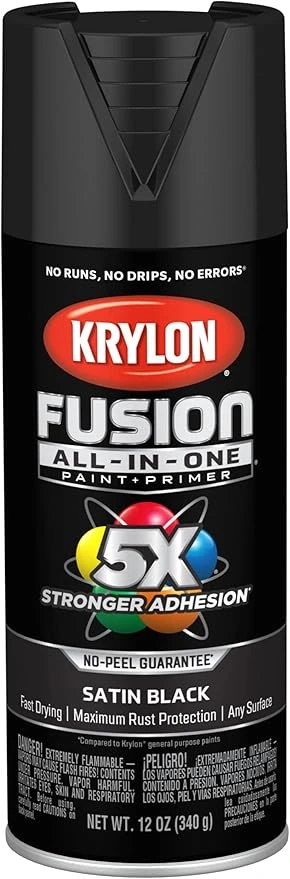
Krylon Fusion All-In-One
- Bonds directly to most plastics without primer
- Great for outdoor furniture, storage bins, planters
- Gloss finishes may show imperfections
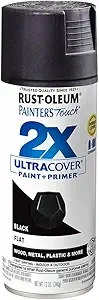
Rust-Oleum Painter’s Touch 2X Ultra Cover
- Double coverage saves time on big surfaces
- Best for chairs, tables, and large décor items
- Works best with a primer on glossy plastics
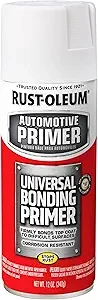
Rust-Oleum Plastic Primer
- Creates a surface any paint can bond to
- Ideal for projects where you’re unsure of the plastic type
- Adds an extra step but guarantees durability
Best Permanent Paint for Plastic
If you need a finish that lasts through daily use, choose paints with excellent adhesion and flexibility.
ColorBond LVP Leather, Vinyl & Plastic Refinisher
- Designed for car interiors and tough plastics
- Perfect for dashboards, door panels, appliance trims
- Strong solvent smell, apply in a ventilated area
ColorBond is an interior product. If the plastic you are refinishing is a bumper cover or an exterior trim panel, the flex requirement is a different problem and needs a different coating — I covered that job separately in best paint for plastic bumpers.
Most Durable Paint for Plastic (Outdoor Use)
Outdoor plastic furniture, storage boxes, and planters face sun, rain, and temperature swings. For the most durable paint for plastic, use a two-step system:
- Plastic-bonding spray paint like Krylon Fusion or Rust-Oleum 2X
- Clear UV-resistant topcoat for waterproofing and fade resistance
Clear Sealer Options
Which Plastic Do You Actually Have? Match the Paint to the Polymer
This is the step almost everyone skips, and it is the one that decides whether the finish survives. “Plastic” is half a dozen different materials with wildly different surface energy — which is a technical way of saying how willing the surface is to let anything stick to it. Polypropylene is the worst offender; ABS is the friendliest. Find your material and use the matching route.
| Plastic type | Where you find it | How to identify it | What actually works |
|---|---|---|---|
| PVC / uPVC | Pipe, trim, window frames, fencing | Rigid, matte white or grey; stamped with pipe markings | Scuff with 220 grit, wipe with acetone, then a plastic-bonding spray. Adheres well once de-glossed. |
| ABS | Toys, electronics housings, car trim, 3D prints | Slightly warm to the touch, dull sheen, sands to a fine white powder | The easiest plastic to paint. Light scuff plus almost any bonding spray or acrylic. Primer optional. |
| Polypropylene / polyethylene (PP, HDPE) | Storage bins, patio chairs, plant pots, buckets | Waxy feel, flexes without cracking, often has a “5” or “2” recycling stamp | The hardest case. A dedicated adhesion promoter or plastic primer is not optional here — bonding spray alone will peel. |
| Resin / polystyrene | Garden statuary, moulded planters, model kits | Brittle, chips rather than flexes, often has a mould seam | Scuff lightly and use a plastic primer. Solvent-heavy lacquers can craze polystyrene — test on a hidden edge first. |
| Vinyl / flexible plastic | Dashboards, door cards, seat trim | Soft, bends under a thumbnail | Needs a flexible refinisher that moves with the material. Rigid paint cracks the first time the panel flexes. |
If you cannot identify the material at all, treat it as polypropylene and prime it. That is the conservative call, and the extra ten minutes costs less than a full strip-and-redo. The same logic applies to other synthetic exteriors — it is why painting vinyl windows and painting Trex decking both come down to surface prep rather than the brand on the can.
How to Paint PVC Pipe So It Will Not Peel
PVC pipe fails differently from other plastic, and it fails for two reasons people rarely connect. The first is the print — every length of pipe carries manufacturer markings in solvent-based ink, and that ink bleeds through light-coloured topcoats for months. The second is mould release, a slick residue left from manufacturing that sits on the surface like a thin film of oil.
- Wash it, do not just wipe it. Warm water and dish soap, then rinse and dry fully. This removes the mould release that no amount of sanding will fix on its own.
- Remove or seal the printing. Acetone on a rag takes most pipe stamps off entirely. Whatever will not come off gets a stain-blocking primer over it, or it will ghost through.
- Scuff the whole surface with 220 grit. You are not removing material, you are killing the gloss. When the pipe goes uniformly dull, stop. This is the single step that separates paint that stays on from paint that sheets off.
- Wipe with isopropyl alcohol and let it flash off. Sanding dust under paint is a release layer of its own.
- Two thin coats of a plastic-bonding spray, fifteen minutes apart. Always. One heavy coat traps solvent underneath, and the film stays soft for weeks and marks with a fingernail.
- Cure before handling: 48 hours minimum, seven days for anything outdoors. Bonding sprays reach handling-dry in an hour and full hardness in a week. Most “it peeled” stories are really “I used it on day two” stories.
When NOT to paint plastic at all
Do not paint pipe that carries pressurised water or gas where the coating could hide a developing split — you want to see a weep before it becomes a burst. Do not paint the inside of anything that holds drinking water. And do not paint plastic that is already chalking or cracking from UV: the paint will bond to a failing surface layer and take that layer with it when it goes.
Flexible vinyl gets the same warning. Rigid spray paint on a bending panel cracks at every flex point, usually within one season.
Can You Paint Plastic Without Primer?
Sometimes, and the honest answer depends entirely on the polymer rather than on the paint. All-in-one bonding sprays such as Krylon Fusion carry their own adhesion promoter, which is a genuine chemical grip rather than marketing — on ABS, PVC and most rigid styrene, a scuffed and degreased surface takes them directly with no primer at all.
Where the no-primer route breaks down is polypropylene and polyethylene: the waxy patio chairs, storage bins and plant pots. That surface repels almost everything, and I have watched a bonding spray peel off an untreated PP bin in strips inside a month. On those, a dedicated plastic primer is the whole job.
Prep matters more than the brand here, and it is not close. A cheap spray over a properly cleaned and scuffed surface will outlast an expensive one sprayed onto factory gloss every single time.
How to Paint Plastic Permanently (Step by Step)
- Clean thoroughly with soap and water, then wipe with isopropyl alcohol
- Scuff the surface lightly with 400–600 grit sandpaper
- Prime with Rust-Oleum Plastic Primer for stubborn plastics
- Apply thin coats of spray paint, overlapping slightly
- Wait for full cure before using
- Seal with a UV topcoat for outdoor projects
For faster drying methods, see our guide: How to Make Paint Dry Fast. For small chips and scratches on plastic surfaces like car trim or bumpers, a touch-up paint pen is faster than a full respray.
Best Paint for Outdoor Plastic
Krylon Fusion All-In-One
Shop on Amazon
Excellent for resin chairs, patio tables, and garden accessories. Holds up well with a clear coat.
Rust-Oleum Painter’s Touch 2X
Shop on Amazon
Provides even coverage and durability for large outdoor surfaces.
Plastic outdoors is a different animal from plastic indoors. UV and thermal cycling break the surface down faster than any brush stroke does, so if the piece lives on a patio I treat it as an exterior job from the first coat — my notes on painting plastic outdoor furniture are worth reading before you open a can. And if it is specifically a set of stacking resin chairs, the flex in the seat is what cracks a rigid film, which is why the spray paints I use on plastic chairs are the ones that stay elastic enough to move with it.
Best Paint for Plastic Pots and Garden Decor
Planters face constant exposure to moisture and soil.
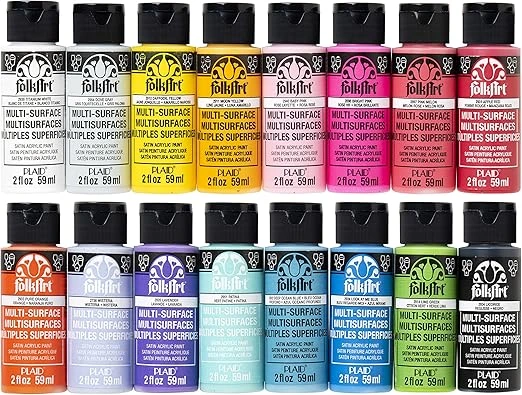
FolkArt Multi-Surface Acrylic Paint
Great for decorative pots, stencils, and bright colors.
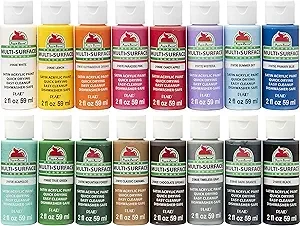
Apple Barrel Multi-Surface Acrylic Paint
Budget-friendly, non-toxic, and great for crafts.
For solid base coats on resin pots, stick with Krylon Fusion or Rust-Oleum sprays. Seal with Rust-Oleum 2X Clear.
If you’re painting 3D-printed models specifically, the requirements differ from general plastic — primer type, filament compatibility, and layer-line prep all matter. Our guide to the best paint for 3D prints covers all of that.
Best Paint for Plastic Toys
When painting toys, safety is key. Look for AP-certified non-toxic paints.
Seal with a child-safe clear coat for extra protection.
Best Paint for Plastic Models
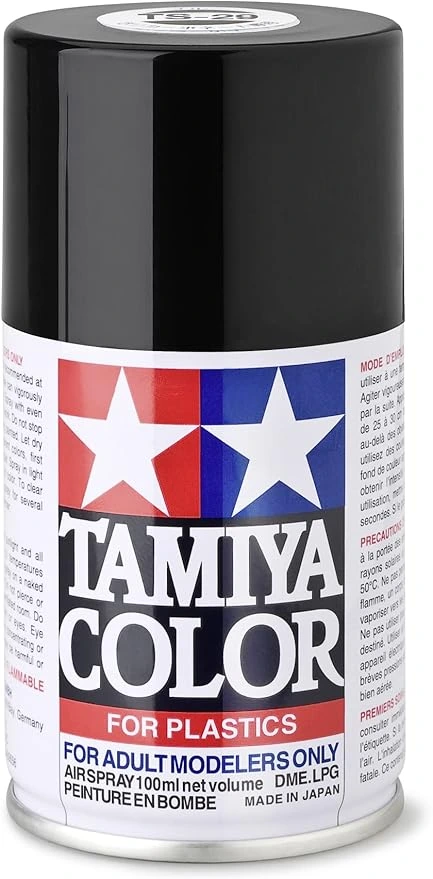
Tamiya TS Spray Lacquer
Thin, tough coats perfect for model bodies.
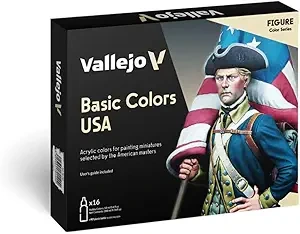
Vallejo Model Color Acrylics
Brush-friendly, vibrant, and detail-safe.
Waterproof Paint for Plastic Surfaces
There isn’t a single waterproof paint, but sealing your project with UV-resistant clear coat makes it both waterproof and sun-resistant.
Recommended options:
Paint for Plastic Surfaces Screwfix (UK Option)
If you’re in the UK, Screwfix offers uPVC and multi-surface paints suitable for windows, doors, and outdoor décor. Always check the label to ensure plastic compatibility.
If You Are Painting Plastic More Than Once
A rattle can is the right tool for one chair, one set of shutters, or a single planter. It stops being the right tool somewhere around the fourth can — which is roughly where a six-piece patio set lands. Two things go wrong at that scale. Aerosol is the most expensive way in the world to buy paint by the ounce, and on curved plastic it is also the hardest way to lay down an even film, because you are chasing overspray around the back of every leg and rung.
The step up is a handheld HVLP sprayer. The one I keep on the shelf for this is the HomeRight Super Finish Max. It ships with three brass tips and three spray patterns, and it handles stains, sealers and latex — which matters here for one specific reason: it lets you spray the bonding primer and the colour coat through the same gun, instead of buying a separate aerosol primer for every square foot of polypropylene you own.
The part that actually changes the result is the fan control. On a vertical chair back you want a wide horizontal fan; on a spindle you want a narrow one. A can gives you one cone and no say in the matter, which is why aerosol jobs on furniture come out heavy at the top and thin at the bottom. Being able to switch pattern mid-project is the difference between a coating that looks sprayed and one that looks moulded in.
When not to buy it. If this is a one-off — a single mailbox, one storage bin — do not. Two cans of Krylon Fusion will finish the job before the sprayer is out of the box, and the sprayer needs about ten minutes of solvent cleanup at the end of every session or the tip gums shut. It earns its keep on the second project, not the first.
Final Tips for Success
- Spray in multiple thin coats instead of one heavy coat
- Let painted plastic cure at least 48 hours before heavy use
- Satin finishes hide imperfections better than gloss
- Keep a spare can for touch-ups
If you’re working on bigger projects, you may also want to explore the Best Airless Paint Sprayers for efficiency.
Conclusion
The best paint for plastic depends on your project. Krylon Fusion and Rust-Oleum 2X are perfect for outdoor furniture, Rust-Oleum Plastic Primer ensures paint sticks to tricky surfaces, ColorBond LVP is unbeatable for automotive plastics, and Tamiya/Vallejo are gold standards for models.
Seal everything with a UV-resistant clear coat, and your plastic will not just look painted, it’ll look factory-made.
Best Paint for Plastic: FAQ
How do I paint PVC pipe so that it will not peel?
Wash it with soap and water to remove mould release, take the printed markings off with acetone, scuff the whole surface with 220 grit until the gloss is gone, wipe with isopropyl alcohol, then apply two thin coats of a plastic-bonding spray. Let it cure 48 hours indoors or a full week outdoors before handling.
Can you paint plastic without primer?
On ABS, PVC and rigid styrene, yes — an all-in-one bonding spray contains its own adhesion promoter and grips a scuffed, degreased surface directly. On polypropylene and polyethylene, which is most patio furniture and storage bins, no. Those need a dedicated plastic primer or the paint will peel in sheets.
What is the most durable paint for outdoor plastic?
A two-part system rather than one product: a plastic-bonding spray as the colour coat, then a UV-resistant clear over it. The clear coat is doing the durability work — bare colour coats chalk and fade after a season of direct sun.
Why did the paint peel off my plastic chair?
Almost always one of three things: the chair is polypropylene and never got a primer, the surface was not scuffed so the paint sat on factory gloss, or it was put back into use before the coating had cured. Mould release residue is the fourth, and it comes off with soap and water.
Do I need to sand plastic before painting it?
Scuff it, do not sand it. The goal is to remove the gloss, not to remove material — 220 to 400 grit until the surface looks uniformly dull. On textured plastic where sandpaper cannot reach the low spots, use a plastic primer instead.
How long should painted plastic cure before use?
48 hours for indoor items and about seven days for anything outdoors or handled daily. Bonding sprays feel dry in an hour but reach full hardness over a week, and early use is the most common cause of chipping.
Sophie Ulman has renovated and painted more rooms than she can count — and made every mistake in the book so you don’t have to. She focuses on real-world durability: not how products perform on day one, but whether the repair holds through a full seasonal cycle.
ThePaintly is reader-supported. We only recommend products we’ve personally evaluated. When you buy through links on this site, we may earn an affiliate commission at no extra cost to you.