Best Paint Tape Applicator: Achieve Perfect Lines With Less Effort
Painting can transform a room, but getting those clean, sharp lines around trim, ceilings, and baseboards can be frustrating. Taping by hand is slow and prone to crooked lines or paint bleed. That’s why using the best paint tape applicator can completely change your painting experience.
Tools like a masking master tape dispenser, masking tape applicator for painting, or a paint tape and paper dispenser can speed up prep, ensure straight edges, and produce flawless paint lines. In this guide, we’ll explore what to look for in a tape applicator tool and review the top-rated options.
Why a Paint Tape Applicator Is Worth It
A masking tape applicator saves time and boosts accuracy. It helps you apply tape in straight, even lines, prevent wrinkles or bubbles that allow paint bleed, finish prep work much faster, and achieve crisp, professional-looking results.
If you’re investing time and energy in painting, a tape applicator is one of the simplest upgrades you can make. And if you’re planning to paint ceilings as well, check out this guide on the best way to paint a ceiling to save time during prep.
What to Look for in the Best Masking Tape Applicator
Choosing the top rated painters tape applicator depends on your project size and how often you’ll use it. Look for these key features
| Feature | Why It Matters | What to Look For |
|---|---|---|
| Tape alignment and pressure | Prevents paint from bleeding under tape | Even tension rollers or felt pads |
| Built-in cutter | Allows clean cuts at the end of each run | Sharp blade with safety guard |
| Comfort and ergonomics | Prevents hand fatigue | Lightweight handle, one-hand operation |
| Tape width compatibility | Fits your tape rolls | Adjustable core or multiple widths |
| Durability | Withstands repeated use | Solid plastic or metal build |
| Speed | Saves prep time | Positive reviews from pros and DIYers |
For projects with tricky corners or ceiling edges, using a paint edging tool alongside your tape applicator can deliver even cleaner lines.
Best Paint Tape Applicator Tools
Below are the most reliable and user-approved masking tape applicators on the market today. Each one is reviewed based on performance, durability, ease of use, and suitability for different project types.
ScotchBlue TA3-SB Painter’s Tape Applicator
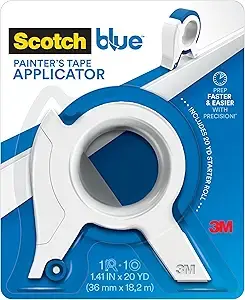
Pros
Smooth application along trim, baseboards, and window frames
Built-in felt pad ensures firm pressure for clean adhesion
Includes a starter roll of ScotchBlue painter’s tape
Leaves sharp, clean paint lines with easy removal
Cons
Only fits 1.41-inch tape width
Less effective on textured surfaces
Best for
DIY painters who want clean edges around doors, windows, and trim without struggling to line up tape manually
Tip
Before taping, clean all surfaces to ensure adhesion. This guide on how to clean walls before painting shows the right steps to prevent dust from ruining your tape lines.
Masking Master Painter’s Tape Applicator
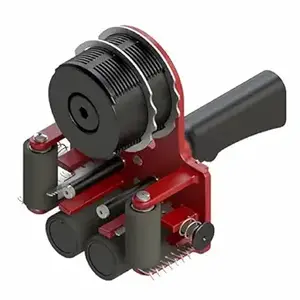
Pros
Fast and precise masking, even around corners
Includes attachments for windows and doorframes
One-handed operation and built-in blade guard
Ideal for professional use
Cons
Only fits around 1-inch tape
Slight learning curve
More expensive than basic applicators
Best for
Frequent painters and pros who need speed and precision. The masking master painter’s tape applicator is excellent for molding, trim, and doorframes.
Pro Tip
If you’re painting large areas at the same time, using a high-quality paint sprayer with this applicator can dramatically cut your total project time.
3M Hand-Masker M3000 Tape and Film Dispenser
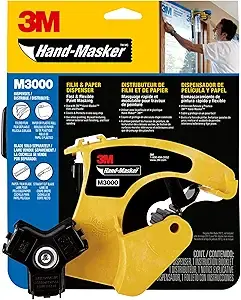
Pros
Combines tape and masking film or paper in one tool
Covers large surfaces like floors, ceilings, and walls
Lightweight and compact design
Reduces prep time significantly
Cons
Paper or film can bunch up if pulled too fast
Not ideal for small trim areas
Best for
Masking large surfaces before spraying or rolling paint. Combine it with the right ceiling paint products to cover whole rooms quickly and cleanly.
Loyanger Portable Masking Tape Applicator Set
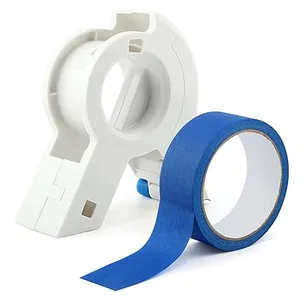
Pros
Budget-friendly
Lightweight ABS plastic design
Built-in cutter and easy tape loading
Cons
Less durable for heavy or repeated use
Blade may dull faster than pro-grade models
Best for
Occasional home painting or small DIY projects. If you’re doing wall touch-ups too, this guide on how to fix paint drips can help prevent messy finishes.
Comparison Table: Which Applicator Fits Your Needs
| Need | Best Option | Why |
|---|---|---|
| Clean trim and baseboards | ScotchBlue TA3-SB | Precise lines and easy use |
| High-speed pro masking | Masking Master | Extremely fast and accurate |
| Large area masking | 3M Hand-Masker M3000 | Combines tape and film |
| Budget small jobs | Loyanger Set | Lightweight and inexpensive |
How to Use a Tape Applicator for Best Results
Even the best masking tape applicator won’t work well if used incorrectly. Follow these steps to get perfect lines every time.
Clean the Surface
Dust or grease prevents tape from sticking. Cleaning helps your tape seal properly and avoids bleed-through. This is especially important if using specialty coatings like ceiling paint for high humidity.
Apply with Even Pressure
Let the applicator’s roller or felt pad press the tape down. Avoid pulling or stretching the tape, which can cause it to lift later.
Wait Before Painting
Give the tape about 30–60 minutes to settle on the surface. This improves adhesion and reduces paint bleed.
Remove Tape Carefully
Pull the tape off slowly at a 45-degree angle while the paint is slightly tacky to prevent peeling.
Final Verdict
A quality tape applicator tool saves time, improves accuracy, and makes painting less stressful. For most homeowners, the ScotchBlue TA3-SB strikes the best balance of price and performance. For pros, the Masking Master tape applicator offers unmatched speed and precision, while the 3M Hand-Masker is unbeatable for large-scale masking. If you just need an affordable tool for small jobs, the Loyanger set is a solid choice.