Best Commercial Paint Sprayer: Top Picks for Professionals
Commercial Paint Sprayers: What Separates a Working Machine From an Expensive One
I have watched two crews on the same job site with sprayers that cost within a hundred dollars of each other, and one crew finished the day while the other spent an hour with the pump apart. The difference was not the badge on the machine. It was that one of them was running unthinned masonry primer through a unit rated for thinner coatings, and the pump was telling them so. — Sophie Ulman
That is the frame for everything below. A commercial sprayer earns its price through duty cycle, tip range and how easy it is to get parts, not through the finish it produces on a good day. Before you compare models, write down the thickest coating you expect to spray and the number of gallons you expect to move in a working week. Those two numbers eliminate most of the field before you read a single review.
If you work on large-scale painting projects, investing in the best commercial paint sprayer can completely transform your workflow. These powerful machines cover big surfaces quickly, deliver a smooth finish, and reduce physical effort compared to brushes or rollers. In this guide, we’ll break down what makes a good commercial-grade sprayer, explore the best models available, and share practical tips to help you get professional results every time.
Why a Commercial Grade Paint Sprayer Is Worth the Investment
A commercial grade paint sprayer is designed to withstand heavy-duty use and deliver consistent results over time. Unlike smaller DIY sprayers, these units:
- Operate at higher pressure and flow rates, ensuring faster coverage on large walls and exteriors
- Include heavy-duty pumps, hoses, and tips that resist wear even during daily use
- Can handle unthinned latex, primers, and enamels with ease
- Are built with easy-clean systems to reduce downtime between jobs
If you’re planning a large project, proper surface preparation is just as important as the equipment you use. Check out this guide on how to clean walls before painting to ensure the paint adheres well and lasts longer.
Key Features to Look for in the Best Commercial Airless Paint Sprayer
High Pressure and Flow Rate
Look for models offering at least 2500 to 3000 PSI. The higher the pressure, the faster you can cover large areas, which is critical for commercial projects.
Interchangeable Spray Tips
Choosing a professional grade airless paint sprayer with multiple spray tip options allows you to work on everything from rough siding to smooth trim without changing tools.
Long, Durable Hose
A longer hose lets you move around big job sites without dragging the machine. For ceiling work, a long hose also reduces arm fatigue. Learn more about specialized gear in this guide on the best ceiling paint sprayer.
Pump Durability
Opt for a stainless steel or hardened pump. Commercial work often runs the sprayer for hours, so pump quality directly affects lifespan.
Easy Cleanup
A sprayer with a quick-flush cleaning system will save you hours. Neglecting cleanup can quickly damage the pump and tips.
Pros and Cons of Using a Commercial Paint Sprayer
Pros:
- Rapid coverage on large walls, fences, and ceilings
- Smooth, professional finish with less manual effort
- Handles thick paints and primers without thinning
- Longer-lasting components built for daily use
Cons:
- Higher upfront cost
- Requires practice to control overspray
- Regular cleaning and maintenance are essential
- Louder operation compared to handheld sprayers
If you often paint ceilings or overhead surfaces, pairing your sprayer with the right gear is crucial. See this guide on the best tools to paint a ceiling for helpful recommendations.
Best Commercial Paint Sprayer Reviews
Here are the top-rated models available on Amazon in 2025, chosen for their performance, durability, and value. Each review highlights who it’s best for, plus pros and cons.
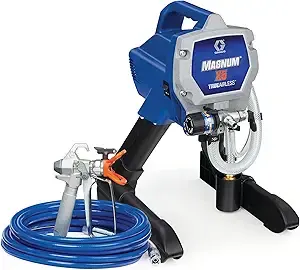
Graco Magnum X5 Stand Airless Paint Sprayer
Why It’s Great
- 3000 PSI power for large-scale exterior and interior projects
- Adjustable pressure for better control and finish
- Draws paint directly from 1- or 5-gallon buckets
- Excellent for siding, fences, and wide wall surfaces
Downsides
- Heavier than some portable units
- Requires thorough cleaning after each use
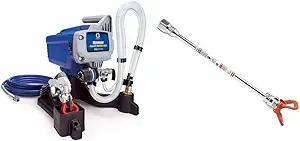
Graco Magnum Project Painter Plus
Why It’s Great
- Compact and lightweight for easier portability
- Consistent, even finish on ceilings, drywall, and trim
- Affordable entry-level professional sprayer
- Simple setup and fast cleanup system
Downsides
- Limited to smaller tip sizes
- Not ideal for very large exterior projects
For detailed advice on spraying overhead areas, see this post on how to paint a ceiling efficiently.
Titan ControlMax High Efficiency Airless Sprayer
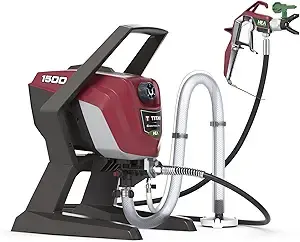
Why It’s Great
- HEA technology cuts overspray by up to 55%
- High transfer efficiency reduces wasted paint
- Handles unthinned latex and thicker coatings
Downsides
- More expensive than other mid-range units
- Takes time to fine-tune pressure settings
Himalaya 3000 PSI High-Pressure Paint Sprayer
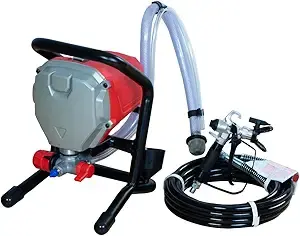
Why It’s Great
- Extremely powerful for commercial exteriors and large surfaces
- Sprays unthinned paints at high speed
- Rugged design built to handle tough job site conditions
Downsides
- Heavier and louder than most portable units
- Requires regular maintenance and cleaning
JFHID 2900 PSI Electric Paint Sprayer
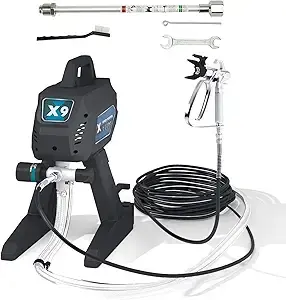
Why It’s Great
- Multiple spray modes for different materials
- Lightweight design makes it easy to move
- Ideal balance between power and price
Downsides
- Accessories may need upgrading for daily use
- Must be cleaned carefully to prevent clogging
Best Commercial Sprayer vs Cheap Paint Sprayer
While you can find a cheap paint sprayer at your local hardware store, they usually can’t match the durability or performance of commercial models. Budget sprayers often clog, produce uneven spray patterns, and lack spare parts or warranty support.
If you want a long-term tool that delivers consistent results, go for a professional grade airless paint sprayer. They might cost more initially, but they save hours of labor and provide smoother finishes. You can also see our detailed comparison of the best airless paint sprayers to explore more options.
How to Choose the Right Sprayer for Your Work
- Estimate your project size: Large exteriors vs. small furniture
- Check paint compatibility: Some units handle thick latex; others need thinning
- Consider portability: Cart-style for big outdoor jobs, stand-style for indoor work
- Look at hose length: Longer hoses reduce the need to move the machine
- Assess cleaning system: Look for self-cleaning or quick-flush features
- Review warranty and support: Choose brands with reliable parts availability
If you’re painting ceilings or trim, also consider the best paint sprayer for popcorn ceiling to get an even finish on textured surfaces.
Quick Comparison Table
| Model | Max PSI | Best Use Case | Weight | Verdict |
|---|---|---|---|---|
| Graco X5 | 3000 | Large walls & exteriors | 19 lbs | Best all-around |
| Project Painter Plus | 2800 | Medium indoor projects | 10 lbs | Budget-friendly |
| Titan ControlMax | 1500 | High-efficiency projects | 20 lbs | Low overspray |
| Himalaya 3000 PSI | 3000 | Commercial exterior jobs | 26 lbs | Most powerful |
| JFHID 2900 PSI | 2900 | Versatile small-large jobs | 15 lbs | Great value |
Frequently Asked Questions
Can commercial sprayers handle unthinned paint?
Yes, most commercial units can spray latex and primer directly from the bucket when paired with the correct spray tip size.
How often do I need to clean the sprayer?
Clean it after every use. Skipping cleaning can clog the pump and shorten its lifespan.
Are commercial sprayers loud?
They can be. High PSI motors are louder than handheld sprayers, so wear hearing protection for long jobs.
Does a commercial sprayer need a bigger tip than a homeowner unit?
Not automatically, but it should be able to support one. Tip size controls how much material reaches the surface per pass, and a pump that cannot feed a larger tip will simply starve it. Check the maximum supported tip in the specifications rather than the coverage claim on the box, because that figure is what limits you on a thick coating.
Can one commercial sprayer handle both interior and exterior work?
Most can, provided you change tips and adjust pressure for the coating. The practical limit is not indoors versus outdoors but thin versus thick material. A machine comfortable with interior latex may struggle with elastomeric or masonry coatings, which is the split that actually matters when you are quoting exterior work.
Is a stand model or a cart model better for daily use?
Carts win on any job where you move the machine repeatedly or work off uneven ground, which describes most exterior work. Stand units are lighter to carry up stairs and into a van, so crews doing interior work in occupied buildings often prefer them. Decide by how often the machine moves during a typical day, not by price.
When NOT to Buy a Commercial Paint Sprayer
- One project, however large. A single house exterior does not justify the purchase. Rental gets you a better machine than you would buy, and someone else services it.
- Fine finish work on cabinets and furniture. Airless lays material down fast and that is the wrong instinct for a fine finish. HVLP is the correct tool for that job.
- Occupied interiors with poor masking access. Overspray does not care about your drop cloths. If you cannot mask properly, rolling costs less than the remediation.
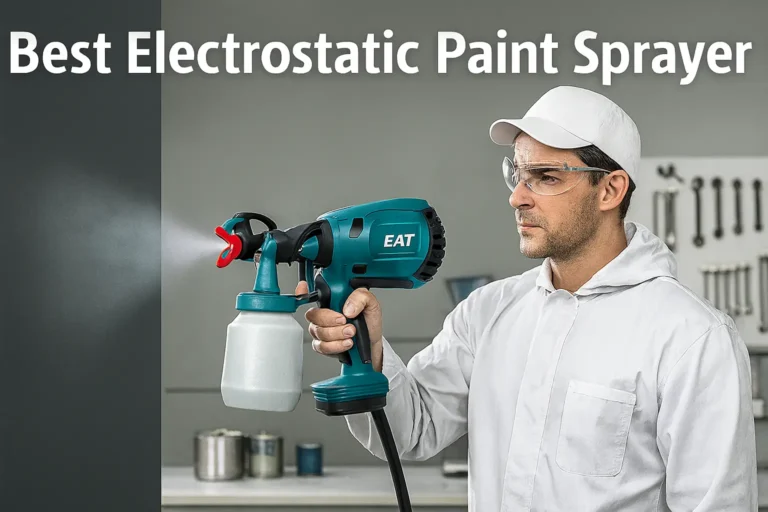
- Complex open metalwork such as railings and grilles. Most of the material sails straight past the target. That specific job is what an electrostatic paint sprayer exists for.
- If nobody on the crew will do the cleaning. Every failure I have seen on these machines traces back to material left in the pump, not to the badge on the front.
If your work leans toward continuous production spraying on very large surfaces, compare these picks against the heavier machines in our industrial airless sprayer guide, and if you are buying for a crew rather than for yourself, the warranty and parts notes in our contractor sprayer comparison are the more relevant read.
Final Thoughts
Choosing the best commercial paint sprayer comes down to your workload, materials, and how often you’ll use it. If you want maximum power and durability, invest in a commercial grade paint sprayer from trusted brands like Graco or Titan. For smaller but frequent projects, mid-range models like the Graco Project Painter Plus can still deliver professional results.
With the right sprayer and good surface prep, you can achieve smooth, fast, and long-lasting finishes that impress every client.