Best Industrial Airless Paint Sprayer: Heavy-Duty Power & Precision
Heavy-Duty Airless Sprayers for Large Areas: What Actually Holds Up on a Long Job
The question I get asked in the comments is almost never “which sprayer is best.” It is some version of “I have a huge area to cover and I do not want the machine to quit on me halfway through.” Those are different questions, and the second one is the honest one. A sprayer that produces a beautiful finish for twenty minutes and then starts pulsing is worse than a plainer machine that runs all afternoon without complaint. — Sophie Ulman
So the way I sort the units below is by duty rather than by finish. Ask yourself how many gallons you expect to push through in a single day and how many days a year you will do it. Under five gallons a day, a few times a year, and you are in homeowner territory where a lighter machine is the sensible buy. Above that, and especially with unthinned exterior coatings, the difference between a piston pump built for continuous work and one that is not shows up as downtime rather than as a bad finish.
When it comes to professional painting, choosing the best industrial airless paint sprayer is essential for ensuring a smooth and efficient finish on large-scale projects. These sprayers are designed for professionals who need consistent, high-quality results without the mess and hassle of traditional methods. Whether you’re working on commercial properties, home renovations, or any industrial-scale application, this guide will help you choose the best model based on your needs.
What Is an Industrial Airless Paint Sprayer?
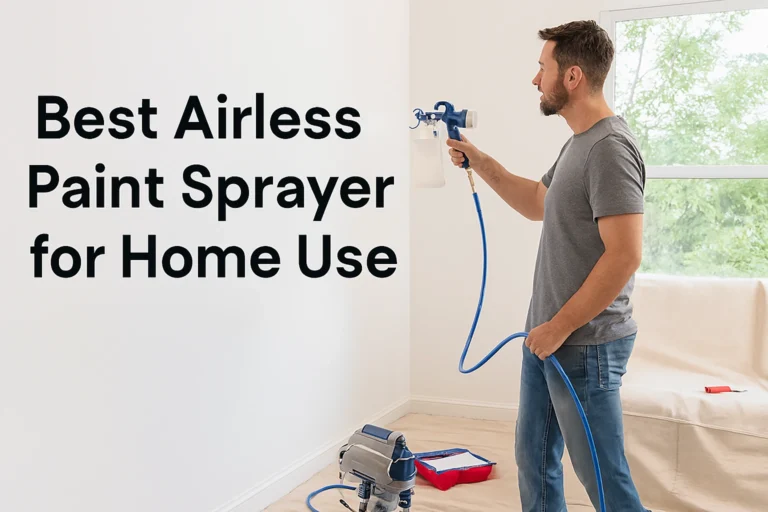
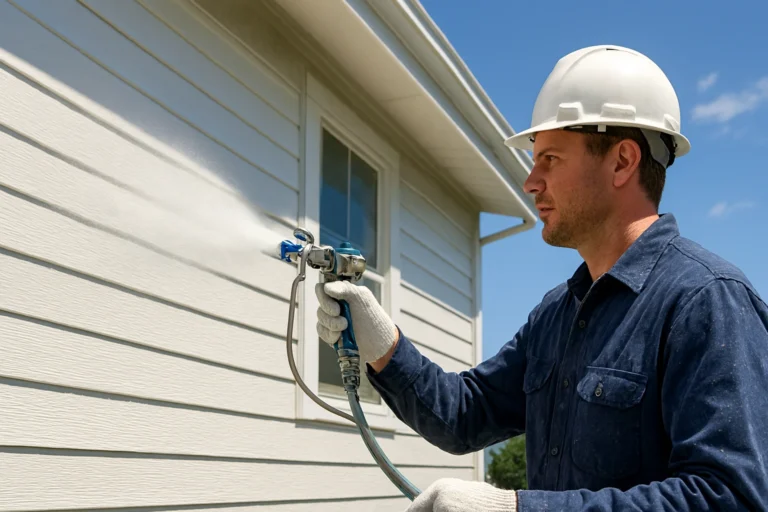
An industrial airless paint sprayer uses high pressure to force paint through a small nozzle, breaking it into a fine mist. Unlike traditional paint sprayers that use compressed air, airless sprayers apply paint more efficiently, offering a smoother finish with minimal overspray. The benefits include:
- Faster Application: Covers large areas quickly.
- Smooth Finish: Even coat without brush marks.
- Minimal Overspray: Better control over paint distribution, saving material.
If you’re looking for more details on different painting techniques, check out our post on the best way to paint a ceiling.
Top-Rated Industrial Airless Paint Sprayers
These top-rated industrial airless paint sprayers are built for professionals who need consistent power, precision, and long-term reliability. Each model has been evaluated for pressure output, material compatibility, and durability, making them ideal for warehouses, factories, and large-scale commercial projects.
1. Graco Magnum X7 Electric Airless Paint Sprayer
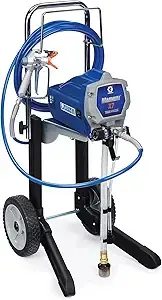
Overview: The Graco Magnum X7 is an excellent choice for those who need a professional-grade airless paint sprayer. This model is ideal for both homeowners and light commercial use. It delivers consistent, high-quality results and is known for its versatility.
Pros:
Cons:
Verdict: Great for professionals who need a versatile and reliable sprayer for medium to large projects. The Graco Magnum X7 is a solid investment.
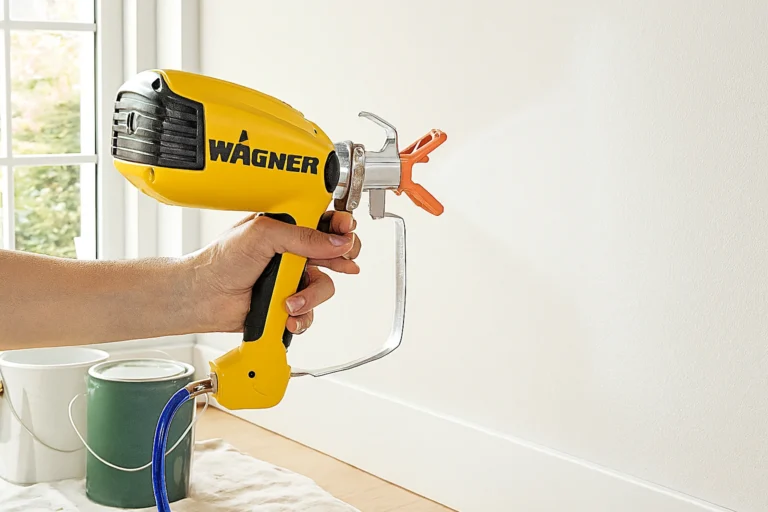
2. Wagner Control Pro 130 Power Tank Airless Paint Sprayer
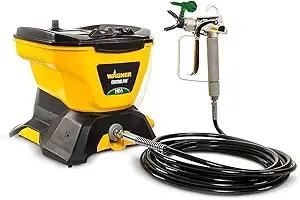
Overview: The Wagner Control Pro 130 stands out for its high-efficiency airless (HEA) technology that reduces overspray by up to 55%. This makes it a great choice for both DIY enthusiasts and small contractors looking for precision.
Pros:
Cons:
Verdict: Ideal for small to medium-sized projects, offering great value for money with reduced overspray. It’s perfect for detailed work and home renovation tasks.
3. Titan ControlMax 1700 Pro High-Efficiency Airless Sprayer
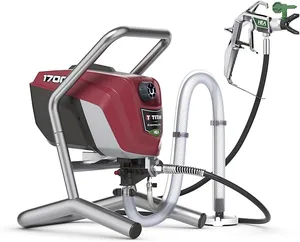
Overview: The Titan ControlMax 1700 Pro is designed for contractors and professionals who need a commercial-grade airless paint sprayer. This model uses HEA technology to reduce overspray and offers a powerful, consistent spray.
Pros:
Cons:
Verdict: Perfect for professionals who need a durable, high-performance sprayer that can handle large jobs without compromising on quality. If you’re interested in commercial-grade solutions, the Titan ControlMax 1700 Pro is a top choice.
4. Graco Ultra Cordless Airless Handheld Paint Sprayer
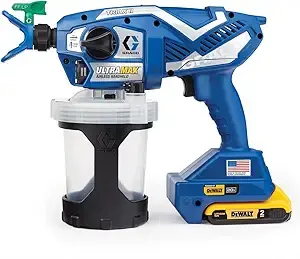
Overview: For portability and ease of use, the Graco Ultra Cordless is one of the best handheld airless sprayers on the market. It’s ideal for touch-ups, small projects, and those looking for mobility without sacrificing quality.
Pros:
Cons:
Verdict: The Graco Ultra Cordless is great for quick, small-scale jobs and DIY projects. It’s ideal for professionals who need mobility and convenience.
If you’re looking for more DIY tips, check out our article on how long it takes to paint a room.
5. HomeRight C800879 Airless Paint Sprayer
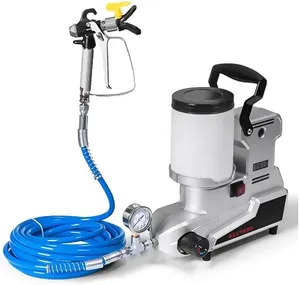
Overview: The HomeRight C800879 offers an affordable entry point for those just starting with airless sprayers. It’s perfect for smaller projects or DIY home improvement.
Pros:
Cons:
Verdict: For DIY enthusiasts or small contractors, the HomeRight C800879 offers good value at an affordable price. It’s not the best for commercial-scale jobs, but it’s great for home projects.
To learn about spray painting techniques, check out our guide on how to stain a deck.
Comparative Overview of Top Models
| Model | Pressure (PSI) | Flow Rate (GPM) | Weight (lbs) | Best Use |
|---|---|---|---|---|
| Graco Magnum X7 | 2,300 | 0.24 | 27 | Medium to large projects |
| Wagner Control Pro 130 | 1,600 | 0.29 | 11.5 | Small and detailed projects |
| Titan ControlMax 1700 Pro | 1,700 | 0.33 | 35 | Commercial and heavy-duty applications |
| Graco Ultra Cordless | 2,000 | 0.24 | 5.5 | Small projects and touch-ups |
| HomeRight C800879 | 2,800 | 0.24 | 15 | DIY and home improvement |
How to Choose the Best Industrial Airless Paint Sprayer
When choosing the best industrial airless paint sprayer, you should consider:
- Project Size: If you’re working on large, industrial projects, opt for models with higher PSI and flow rates (like the Titan ControlMax 1700 Pro). For smaller projects, handheld models like the Graco Ultra Cordless are perfect.
- Durability: Professionals will benefit from durable models like the Graco Magnum X7 , which are built to withstand high-volume use.
- Efficiency: Look for sprayers with HEA technology (like the Wagner Control Pro 130) to reduce overspray and increase efficiency.
- Portability: If you need to move around frequently, consider a cordless option like the Graco Ultra Cordless.
Final Verdict
- Best for Commercial Projects: The Titan ControlMax 1700 Pro is perfect for heavy-duty, high-volume work.
- Best for Precision and Small Projects: The Wagner Control Pro 130 offers excellent control and less overspray.
- Best Value for Beginners: The HomeRight C800879 is budget-friendly and great for DIY use.
Which Heavy-Duty Airless Sprayer Suits Large Areas?
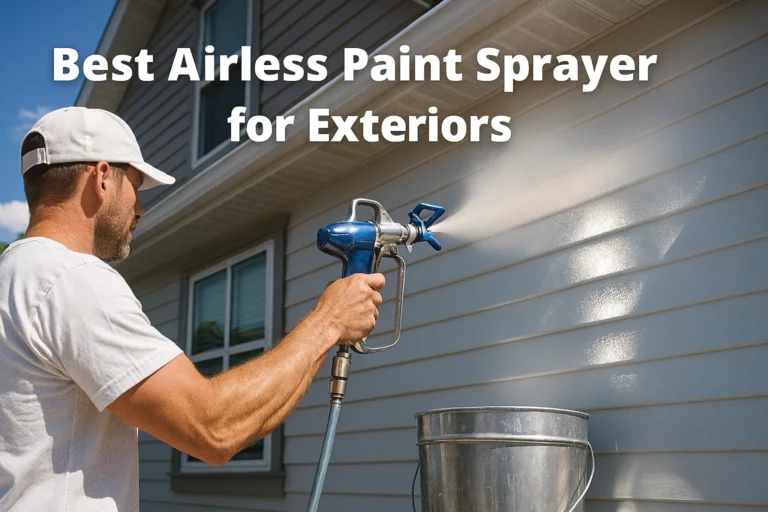
Large area does not mean one thing, and this is where most buying decisions go wrong. Spraying a long stretch of fencing is a mobility problem: you want a machine you can drag, a long hose and a stand that will not tip on soft ground. Spraying the inside of a warehouse or a stairwell is a reach problem, where hose length and an extension wand matter more than raw pump output. Spraying a house exterior is a coating problem, because thick masonry and elastomeric products punish an underpowered pump faster than any amount of square footage.
Match the machine to whichever of those three your job actually is. If you are quoting repeat commercial work rather than doing one big project, compare these against the dedicated units in our commercial paint sprayer guide and the contractor-duty machines in our airless sprayer picks for contractors, because the warranty and parts availability matter more than they do on a one-time purchase. For siding and trim specifically, the exterior paint sprayer comparison is the closer match.
When NOT to Buy an Industrial Airless Sprayer
- Small rooms and detail work. Masking a bedroom takes longer than rolling it. Below a few hundred square feet of open surface, the prep time cancels the speed advantage entirely.
- Occasional use with long gaps between jobs. These pumps do not like sitting with residue in them. If the machine will live in a garage for eleven months a year, renting is usually the better arithmetic.
- Windy exterior conditions. Airless atomizes at high pressure and overspray travels. On a breezy day near parked cars or a neighbour’s siding, a brush and roller will cost you less than the cleanup.
- Fine cabinetry and furniture. Airless lays down material fast, which is the opposite of what a fine finish wants. HVLP or an air-assisted setup is the correct tool for that work.
- When you cannot commit to the cleaning routine. Every one of these machines needs flushing immediately after use. A pump ruined by dried material is not a warranty claim, it is a habit problem.
Frequently Asked Questions
What size airless sprayer do I need for a large area?
Look at the maximum tip size the pump supports rather than at the advertised square footage. Tip size determines how much material reaches the wall per pass, and the pump has to be able to feed the tip you want to use. A machine rated for a larger tip will finish a big exterior in fewer passes than a machine that can only support a small one, regardless of what the box promises.
Do I have to thin paint for an industrial airless sprayer?
Generally no, and that is the main reason to buy one. Airless machines are built to spray unthinned architectural coatings at high pressure. If a sprayer’s instructions require thinning standard latex, it is a homeowner-duty unit rather than an industrial one, and thinning will cost you hiding power and film build.
How long a hose can I run on one of these?
Longer hoses cost pressure at the tip, so the pump has to have headroom to spare. Check the manufacturer’s stated maximum hose length before you buy extra hose, and remember that vertical rise costs more pressure than horizontal run. If you are spraying a stairwell or a tall exterior, that vertical figure is the one that decides whether the machine works for you.
Why is my sprayer spitting or pulsing instead of spraying evenly?
The usual suspects, in the order worth checking, are a clogged or worn tip, a dirty inlet filter, air drawn in through the suction tube, or pressure set too low for the coating. Worn tips are the most common and the most overlooked; a tip that has sprayed a lot of material puts out a wider, thinner fan than it should and the finish suffers before you notice why.
Is a cordless airless sprayer good enough for a big job?
For touch-ups, fencing sections and work away from power, yes. For continuous production spraying, no. Battery units trade run time for freedom of movement, and on a full day of spraying you will spend meaningful time waiting on charge. Many contractors keep one alongside a corded machine rather than instead of it.
How do I stop overspray from an industrial sprayer?
Drop the pressure to the lowest setting that still gives a clean fan, use the smallest tip that delivers the coverage you need, and keep the gun a consistent distance from the surface. Mask generously beyond the work area and do not spray in wind. Overspray is mostly a pressure and technique problem rather than a machine problem.