Best Paint for Stucco: A Complete Guide to Protecting and Beautifying Your Stucco Exterior
Stucco is a timeless exterior finish, known for its textured charm and durability. But even stucco needs protection from the elements. Choosing the best paint for stucco is crucial to enhance its beauty and extend its life.
In this guide, you will learn about the best paint for exterior stucco, the best waterproof paint for stucco, how to weigh painting stucco pros and cons, and the recommended paint for stucco homes.
Quick pick: if you are repainting a whole stucco exterior, the biggest time-saver is an airless sprayer such as the Graco Magnum X5, because stucco texture is slow to cover with a roller. The paint comparisons follow below.
Quick Picks at a Glance
If you only read one section, read this one. These are the three products worth buying first, matched to the job each one solves.
| 🧱 Best Self-Priming | KILZ Self-Priming Masonry, Stucco & Brick Paint | Skipping a separate primer coat |
| 💧 Best Crack-Bridging | BEHR Elastomeric Masonry, Stucco & Brick Paint | Wet climates and hairline cracks |
| ⚡ Best for Whole-House Jobs | Graco Magnum X5 Airless Sprayer | Covering textured walls fast |
Why Choosing the Right Paint Matters
Stucco is porous, which means it absorbs moisture and expands and contracts with temperature changes. A standard interior wall paint simply won’t hold up outdoors on stucco.
The best type of paint for exterior stucco needs these features:
- Flexibility to bridge hairline cracks
- Breathability so trapped moisture can escape
- Water resistance to block rain and humidity
- UV and color fade resistance for long-lasting curb appeal
- Strong adhesion on textured surfaces
Before painting, it’s essential to prepare the surface properly. Cleaning the walls with a mild detergent or pressure washer removes dirt, mildew, and peeling paint. This guide on how to clean walls before painting explains the full prep process in detail.
Painting Stucco Pros and Cons
Before investing in paint, it’s wise to understand the benefits and drawbacks of painting stucco.
Pros of Painting Stucco
- Enhances curb appeal and aesthetic value
- Seals out moisture, reducing mold and mildew risks
- Helps hide minor imperfections and discoloration
- Makes cleaning the exterior easier
Cons of Painting Stucco
- Can trap moisture if surface prep is poor
- Requires high-quality paint and tools, raising costs
- Needs regular maintenance in harsh climates
- May be difficult to remove if you want to re-stucco later
Although it involves some effort, painting can add long-term value to your property. You can see more reasons in this article about the benefits of painting your home.
Best Types of Paint for Exterior Stucco
Not all paints perform the same on stucco. Here are the three most common types and how they compare.
Acrylic Paint
Acrylic latex paint is among the most popular options for stucco homes. It’s breathable, flexible, and easy to apply with brushes, rollers, or sprayers.
Pros
- Excellent adhesion and color retention
- Breathable to reduce moisture issues
- Easier application and cleanup
Cons
- Less effective at bridging cracks
- Not fully waterproof
When applying acrylic paint on large exterior walls, using an airless paint sprayer can give you smoother coverage and save time. If stucco is just one wall of a larger exterior repaint, our best exterior house paint roundup covers the siding and trim too.
Masonry Paint
Masonry paints are specifically formulated for porous surfaces like brick, stucco, and concrete. If you want the full rundown across every masonry surface, not just stucco, see our best masonry paint guide.
Pros
- Strong adhesion to rough surfaces
- High resistance to alkalinity in fresh stucco
- Good moisture resistance
Cons
- Limited color selection
- Often requires two or more coats
Elastomeric Paint
Elastomeric paint is the best waterproof paint for stucco when water resistance is the top priority.
Pros
- Thick, rubber-like coating bridges hairline cracks
- Excellent moisture barrier
- Extremely durable
Cons
- Less breathable than acrylic paint
- Requires careful application and longer drying time
Recommended Paint for Stucco
Below are some of the best paint for stucco house exterior options available. Each has unique strengths to match different climates and needs.
KILZ Self-Priming Masonry, Stucco & Brick Paint

This acrylic-latex masonry paint offers strong adhesion on textured stucco and saves you the hassle of priming. It’s easy to apply by brush, roller, or sprayer.
Pros
- Self-priming on many surfaces
- Good water resistance
- Affordable and DIY-friendly
Cons
- Flat finish is less washable
- May require two coats for full coverage
BEHR Elastomeric Masonry, Stucco & Brick Paint

BEHR’s elastomeric line is ideal if you live in a rainy or humid region. It creates a flexible barrier that expands and contracts with the stucco, helping prevent cracking.
Pros
- Superior waterproofing
- Bridges hairline cracks
- Long-lasting durability
Cons
- Thick consistency is harder to apply
- Requires extra drying time
Sherwin-Williams SuperPaint Exterior Acrylic Latex

This premium acrylic paint is widely considered one of the best paint for exterior stucco in moderate climates.
Pros
- Great color retention and adhesion
- Flexible enough to prevent peeling
- Easy to clean
Cons
- Not fully waterproof
- Requires surface prep and priming
Benjamin Moore Regal Select Exterior
This high-end paint is known for its smooth finish and exceptional durability, making it ideal for harsh climates.

Pros
- Resistant to mildew and fading
- Smooth, rich finish
- Wide color selection
Cons
- Higher price
- Requires thorough prep work
Full Reviews: What I’d Actually Buy
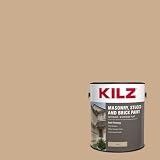
This is the one I’d pick when a stucco wall is in decent shape and the job is really about a fresh coat, not a repair. The self-priming formula means you go straight from a clean, dry wall to color — no separate primer step, which on a textured surface saves a full day of rolling.
It’s alkali-resistant, which matters more on stucco than on almost any other substrate, because fresh and even older stucco can leach lime that eats ordinary paint from underneath within a season. I’d still test a hidden patch first on any wall that was poured or patched recently.
- No separate primer coat needed
- Alkali-resistant for new stucco
- Brush, roller or sprayer
- Flat finish shows dirt over time
- Two coats recommended on bare stucco

I’d pick this one for a house that already shows hairline cracking, or sits somewhere with real winter freeze-thaw. The elastomeric film stretches instead of splitting when the wall moves, which is the whole reason this category exists — a standard acrylic just rides the crack open again.
The tradeoff is thickness. This goes on heavier than a normal exterior paint, so it covers less wall per gallon, and it wants a full day of warm, dry weather to skin over properly. Rushing it in cool or humid weather is the most common reason people say it never really dried.
- Bridges existing hairline cracks
- Thick waterproof film
- Built for freeze-thaw climates
- Lower coverage per gallon
- Needs a full warm, dry day to cure
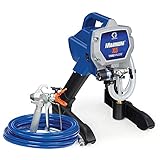
This isn’t a paint, it’s the tool that decides whether either paint above actually gets into the texture. A roller rides on top of stucco’s peaks and skips the pits, and you only find the bare spots when low afternoon sun rakes across the wall. The X5 pushes coating into those low spots in one pass, and you back-roll right behind it to work it in.
My rule of thumb: rent or buy a sprayer for anything past one wall. For a single patch or a garden wall, a thick-nap roller cover is still the right call — the sprayer earns its keep on the second project, not the first.
- Pushes coating into textured low spots
- Handles thick elastomeric coatings
- Far faster than a roller on a full exterior
- Overspray needs a still, calm day
- Overkill for one wall or a patch
Paint That Looks Like Stucco
If you want a finish that mimics stucco rather than just coating it, look for textured masonry paints or sand-textured coatings. These create a grainy, plaster-like appearance on flat walls to match existing stucco.
Because these coatings are thicker and take longer to cure, it helps to follow tips on how to make paint dry fast especially when painting in humid conditions.
How to Choose the Best Paint for Your Stucco Exterior
Choosing the right paint depends on your climate, the condition of your stucco, and your budget.
Consider Your Climate
- Wet or humid climates: Use elastomeric or waterproof masonry paint
- Dry, sunny regions: High-quality acrylic or masonry paint is usually enough
Inspect Your Stucco
- Repair any cracks or holes
- Clean off dirt, mildew, and loose paint
- Use primer on bare or patched areas
I’ve started testing porosity before I open a can, not after. I splash water on the wall in three spots — the sunny side, the shaded side, and anywhere I can see an old patch — and watch how fast it soaks in. If one spot beads up instead of soaking in, something sealed that patch years ago, and new paint won’t grip it the way it grips the rest of the wall. The thirty seconds this takes has saved me from starting a job that would have failed, twice, and one of those was a whole house frontage. For cracks wider than a hairline, patch with the right product first — see our guide on the best paint to cover cracks in walls.
If you are painting a two-story stucco house, using the best ladder for painting can make reaching higher areas much safer.
Application Method
Stucco is highly textured, so apply paint with a sprayer and back-roll it into the surface. Using the right technique ensures even coverage and a longer-lasting finish.
Why a Whole-House Stucco Job Is Worth an Airless Sprayer
A roller alone leaves the low spots in the texture bare, and you only find them when the afternoon sun hits the wall. An airless sprayer pushes the coating into the pits and pockets in one pass, and you back-roll right behind it to work it in. That is why most stucco repaints that last are sprayed. For a full exterior, the Graco Magnum X5 stand airless sprayer handles the thick elastomeric coatings recommended above, which a small HVLP will not move. Thin the paint only if the manufacturer allows it, because elastomeric builds its waterproofing through film thickness.
When not to buy it. For a small wall, a garden shed or a patch repair, a roller with a thick-nap cover does the job. Skip spraying on a windy day or when the house sits close to a neighbor’s car or fence, since overspray travels. If you only paint once every ten years, renting a sprayer for the weekend costs less than owning one. If the Magnum X5 is more sprayer than you need, our best exterior paint sprayer guide has lighter options sized for smaller jobs.
Final Thoughts
Painting stucco is one of the best ways to protect your home from the elements and improve its appearance. Choosing the best type of paint for exterior stucco is essential to prevent cracks, water intrusion, and fading.
For most homes, a high-quality acrylic or masonry paint like Sherwin-Williams SuperPaint or Benjamin Moore Regal Select works beautifully. If you live in a wet or humid area, an elastomeric paint like BEHR Elastomeric Masonry Paint offers unmatched waterproofing.
With proper surface prep, the right paint can give your stucco exterior a vibrant, long-lasting finish that stands the test of time.
Paint Coverage Calculator
Stucco’s texture eats more paint than a flat wall. Self-priming acrylics like KILZ cover 250–400 sq ft per gallon; thick elastomeric coatings like BEHR’s cover only up to 125 sq ft per gallon. Pick the type above, then estimate your gallons here.
When not to paint stucco at all. Skip it, and call a mason instead, if you see cracks wider than a quarter-inch, any spot that sounds hollow when you knock on it, or staining that keeps coming back after you’ve cleaned it — that’s usually water getting in behind the stucco, and paint will only trap it. Fresh stucco also needs 30–60 days to cure before any coating goes on; paint it sooner and the alkalinity in the new stucco will attack the film from underneath.
The Bottom Line
My honest recommendation
For stucco in good shape that just needs color: go with the self-priming KILZ. It skips a step and holds up fine on a wall that isn’t actively cracking.
For older stucco with hairline cracks or a wet climate: pay for the elastomeric BEHR. The crack-bridging is the entire point, and a cheaper acrylic will just crack again on the same lines.
For a whole house, either way: rent or buy the airless sprayer. I wouldn’t tackle a full stucco exterior with just a roller — the texture simply eats back the time a sprayer gives you.
Frequently Asked Questions
How long does paint last on stucco?
A quality acrylic or elastomeric coating on stucco typically lasts 7–10 years in a moderate climate, and closer to 5–7 years in a harsh, sun-heavy or coastal one. Elastomeric coatings tend to last longer because the thicker film resists UV breakdown better than a standard acrylic.
Can you paint stucco without primer?
Yes, if you use a self-priming masonry paint like KILZ on stucco that is clean, fully cured and not actively chalking. Fresh stucco under 30 days old, or a wall that is chalky or powdery when you wipe it, still needs a dedicated masonry primer first, self-priming or not.
What is the best color for stucco in a hot climate?
Lighter colors with a higher LRV (light reflectance value) stay cooler and show less fading, which matters because dark colors on sun-facing stucco can run 10–20°F hotter and fade years faster. If you want a darker tone, budget for recoating sooner.
Does stucco need special paint, or will regular exterior paint work?
Regular exterior paint will stick short-term, but it lacks the alkali resistance and flexibility stucco needs long-term, so it tends to fail faster through chalking or hairline cracking. A paint labeled for masonry or stucco specifically is formulated to resist the lime in the material.
Can you spray paint over stucco?
Yes, and for a full exterior it’s the better method — an airless sprayer like the Graco Magnum X5 pushes paint into the texture’s low spots that a roller skips. Back-roll immediately behind the sprayer on each section so the coating works into the texture instead of sitting on top of it.
How much does it cost to paint a stucco house?
DIY materials for an average stucco home run roughly $200–$500 for paint plus $150–$300 to rent or buy a sprayer, so budget $350–$800 total before labor. Hiring it out typically runs $3,000–$8,000 depending on house size and how much crack repair the stucco needs first.
About the author: Sophie Ulman has renovated and painted more rooms than she can count — and made every mistake in the book so you don’t have to. She focuses on real-world durability: not how products perform on day one, but whether the repair holds through a full seasonal cycle.