Do Paints Dry Darker or Lighter? Latex Dries Darker
Every time I paint a sample on a wall, someone asks me the same thing while it is still wet: will it stay this color? Usually not quite, and the direction depends on the kind of paint.
Does Paint Dry Darker or Lighter on a Wall?
Here is the short answer: most water-based paints dry slightly darker than they look going on, and oil-based paints drift warmer and yellower over the years rather than darker on day one. The shift is small – usually smaller than the difference lighting makes to the same wall at 9am and 9pm.
I learned that the hard way on a hallway. I rolled on a soft grey, panicked at how milky and pale it looked wet, and went back to the store for a shade darker. By the time I got home the first coat had dried to almost exactly the colour I had wanted in the first place. That second tin cost me a repaint. Never judge a colour while the roller is still in your hand.
How Big Is the Shift, Really?
The size of it is what nobody tells you. It is small – less than half a step on a paint strip – and it is smaller than the difference the same wall shows between nine in the morning and nine at night. People repaint over a shift that lighting would have made anyway. Before you drive back to the store, look at the wall at a different hour.
There is one genuine exception that runs the other way, and it catches people out constantly: chalk and mineral paint dry lighter and chalkier, then darken again the moment you wax or seal them. If you are working with chalk paint, the colour you judge before sealing is not the colour you will live with.
What Actually Changes the Colour, Ranked
Drying is the effect people blame, and it is the smallest of the four. In order of how much they actually move the colour:
- Lighting. The largest by a distance. Sunlight, incandescent and LED render the same pigment differently, and a north-facing room never gets the light the shop swatch was chosen under.
- Sheen. Matt scatters light and reads deep and even. Gloss reflects it and reads lighter where light strikes and darker in shadow – the same tin, two colours.
- What is underneath. A porous or patchy substrate pulls paint into itself, leaving a thinner film that reads lighter and blotchier – the opposite of the drying shift, and stronger.
- Drying itself. Last, and slight. The binder haze lifting, explained below.
That third point is worth pausing on, because a lot of advice online has it backwards. It is often written that a porous surface “absorbs more paint and darkens the finish.” It does the reverse. The substrate drinks the binder and pigment down into itself, so less of both stays on the surface where your eye can see it. That is why a test patch brushed straight onto bare filler or fresh drywall always looks weaker than the finished wall will – and why priming the test area is not optional. Before you judge anything, it is worth knowing how to clean walls before painting, because dirt and old residue do the same thing to your sample.
Does Paint Darken Over Time on the Wall?
Water-based paint does not darken with age in normal indoor conditions. If anything it fades slightly where direct sun hits it. Oil-based and alkyd paint is the one that changes: it yellows, and the effect is strongest in the places that get the least natural light. Look inside a closet or behind a wardrobe in an older house and you will find the original white looking distinctly cream while the exposed wall next to it still reads white.

Kitchens and bathrooms accelerate all of it – cooking residue and steam sit on the film and dull the colour long before the pigment itself does anything. In a bathroom the paint choice matters more than the colour: see the best paint for a bathroom ceiling for the products that hold their finish in steam.
Why Latex Paint Looks Lighter Wet Than It Does Dry
The reason is the binder. Water-based paint carries its pigment in an acrylic or vinyl-acrylic binder that is milky white in the can and cures clear as the water leaves. While the film is wet, that white haze sits over the pigment and dilutes what your eye sees. As it clears, the pigment reads at full strength – so the colour appears to deepen. Nothing is actually getting darker. The veil is simply lifting.
That is also why the difference is most obvious with mid-tone and saturated colours, and almost invisible with off-whites. There is not enough pigment in a soft white for the binder haze to hide.
| Paint type | What happens as it dries | How long until true colour |
|---|---|---|
| Latex / acrylic, matt | Deepens slightly as the white binder clears | 2-4 hours to touch, true colour at full cure |
| Latex / acrylic, satin or semi-gloss | Deepens, then reads lighter where light hits directly | 4-6 hours, sheen settles over 24 |
| Oil-based / alkyd | Barely shifts on drying, then yellows over years | Yellowing is visible after 1-3 years indoors |
| Chalk and mineral paint | Dries noticeably lighter and chalkier | 1-2 hours; waxing darkens it again |
| Deep or accent bases | Biggest visible shift of any type | Judge only after the second full coat |
The chalk paint row catches people out most often. It dries lighter, which is the opposite of everything above, and then darkens again the moment you wax or seal it. If you are mixing your own, the ratios in our guide to custom chalk paint at home affect that shift directly – more plaster means a lighter dry finish.
Full Cure Is Not the Same as Dry to the Touch
Dry to the touch means the water has evaporated. Cured means the acrylic particles have fused into a continuous film. Those are different events, and colour keeps settling between them. On a latex wall you are looking at hours to touch-dry and up to two to four weeks to full cure depending on humidity. The colour is close after the second coat and final after the cure.
Humidity slows both. In a damp room the water leaves the film slowly, the binder stays hazy longer, and the wall looks washed out for a day or more after you expected it to be finished. That is not a bad batch. That is physics. Ventilation fixes it – the airflow approach in how to make paint dry fast is the same one that gets your colour to settle on schedule.
Sheen Changes the Colour More Than Drying Does
Take one colour and put it on the wall in matt and in semi-gloss and most people will not believe it came from the same tin. Matt scatters light in every direction, so you see the pigment itself and the colour reads deep and even. Gloss reflects light like a mirror, bouncing back some of the room’s own light along with the pigment – so it reads lighter and shinier where light strikes, and darker in the shadowed parts of the same wall.
Practical consequence: if you liked a colour on a matt swatch and buy it in satin, you have changed the colour. Test in the finish you intend to use, not just the shade.
When NOT to trust your test patch
- Painted directly onto bare drywall or fresh filler. The porous patch drinks the paint and dries lighter and patchier than the real wall will. Prime the test area or paint the sample onto a primed card instead.
- One coat only. A single coat over a different colour is never the true shade. Two coats minimum before you judge.
- Judged at one time of day. Look at it in morning light, in afternoon light, and under your actual bulbs at night. A grey that reads warm at noon can read blue under cool LEDs.
- Patch surrounded by an old colour. Your eye compares. A swatch of beige surrounded by white looks far darker than the same beige on a fully painted wall.
The lighting point deserves its own warning. Two colours that match under daylight can look completely different under incandescent or LED bulbs – the effect is called metamerism, and it is the single most common reason a touch-up looks wrong. If you are trying to blend into an existing wall rather than repaint the whole thing, the method in how to match paint already on a wall deals with it properly. And check the tin’s age before you blame the colour: an old, partly separated can shifts shade on its own, which is covered in does paint expire.
Prep matters more than the brand here too. A wall with patchy sealer, old glue residue, or uneven filler will show colour variation no paint can hide. Two thin coats over a properly primed surface will always read more evenly than one thick coat of an expensive paint over a bad one. This Old House and Consumer Reports both publish independent hiding-power comparisons if you want to see how much coverage varies between brands at the same price.
Two Products That Remove the Guesswork
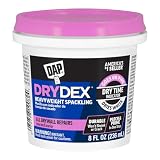
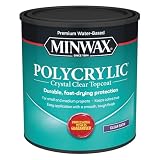
Neither of these is a paint. Both exist because the two biggest colour surprises above – a test patch over filler, and chalk paint changing again when you seal it – are caused by something other than the paint you chose.
Frequently Asked Questions
How much darker does latex paint dry?
Slightly – typically less than half a step on a paint strip. It is enough to notice while you are rolling and rarely enough to matter once the wall is finished. Saturated and deep-base colours show the biggest shift; whites show almost none.
How long should I wait before judging the colour?
Twenty-four hours after the second coat, in the room’s own lighting. Anything sooner and you are looking at a wet film, not the finished colour.
Does paint get darker over time on the wall?
Water-based paint does not, in normal indoor conditions – it may fade slightly in direct sun. Oil-based and alkyd paints do change: they yellow, and the effect is strongest in rooms that get little natural light, such as inside closets and behind furniture.
Why does my second coat look different from the first?
The first coat is partly showing the colour underneath it. The second coat is the first one you are seeing at true opacity. If the two still look different after drying, the paint was not stirred back together properly – pigment settles in the tin.
Does thinning paint make it dry lighter?
Yes. Thinning reduces the pigment per square foot, so a thinned coat has less colour strength and covers less. That is fine for a mist coat or for spraying, but not something to do to a topcoat you want at full shade.
Do ceiling paints dry darker too?
They follow the same rule, but ceiling paints are usually white or near-white with very little pigment, so the shift is not visible. Many are tinted pink or blue when wet and dry white on purpose, so you can see where you have rolled.
Affiliate Disclosure: ThePaintly is reader-supported. Our picks are based on manufacturer specifications and what users report. When you buy through links on this site, we may earn an affiliate commission at no extra cost to you.