Is It Safe to Paint an Old Radiator? A Complete Guide
Radiators are one of those overlooked home features. They quietly keep rooms warm, yet often look dated, chipped, or rusty. If you’ve just moved into an older house or want to refresh your space, you might wonder: is it safe to paint an old radiator?
The short answer is yes, it can be safe to paint old radiators, but only if you follow the right steps, use the proper materials, and prepare carefully. Done correctly, painting a radiator not only improves its look but also helps protect it from rust and wear.
In this guide, we’ll cover whether painting old radiators is safe, how to do it properly, and what pitfalls to avoid.
Can You Paint Old Radiators?
The first big question many homeowners ask is: can you paint old radiators at all? The good news is yes, you can. But there are a few things to consider before you grab a paintbrush:
- Material of the radiator: Most older radiators are cast iron or steel. Both can be painted safely as long as you use a heat-resistant paint.
- Condition: If the radiator is rusty, flaking, or damaged, it needs preparation before painting.
- Functionality: Painting won’t improve performance, but it can give the radiator a cleaner, more modern look.
If your radiator is structurally sound and not leaking, painting is a perfectly safe and practical way to refresh it.
Before you start, turn off the radiator and let it cool completely. Painting a hot surface is never safe.
Is Painting Old Radiators Safe?
The safety aspect depends on how you do it. The process itself is not harmful if you:
- Use the right paint: Radiators need heat-resistant paint. Regular wall paint will crack, peel, or release odors when the radiator heats up.
- Ensure ventilation: Paint fumes can linger, so open windows and keep air circulating.
- Prepare the surface properly: Removing rust and cleaning the radiator helps prevent paint from flaking later.
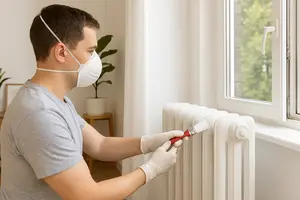
Just like you would clean walls before painting, the prep stage is what makes painting old radiators safe and effective.
If done incorrectly, say, using non-heat-resistant paint, the surface can release unpleasant smells, discolor, or even pose a fire risk. That’s why following the right method matters.
How to Paint a Radiator: Step-by-Step
If you’re wondering how to paint a radiator, here’s a safe and effective step-by-step method:
1. Prepare the Area
- Place a drop cloth or old sheets under the radiator.
- Use painter’s tape to protect nearby walls and flooring.
- If your radiator is close to the ceiling, you may need to use the best ladder for painting for access.
2. Clean the Radiator
- Wipe away dust and grime.
- Use a degreaser or mild detergent for stubborn stains.
- If rust is present, lightly sand it down until smooth.
3. Prime the Surface
- Apply a metal primer designed for high-heat surfaces.
- This helps paint adhere and prevents rust.
- Just like choosing the best drywall primer makes walls last longer, a good primer makes radiator paint durable.
4. Apply the Paint
- Use heat-resistant radiator paint (often labeled as enamel or metal paint).
- Apply with a brush, roller, or even a sprayer. A paint sprayer can give a smoother finish if you’re comfortable using one.
- Apply thin, even coats. Two coats are usually best.
5. Let It Dry
- Allow the radiator to dry fully before turning it back on.
- To speed things up, you can check out tips on how to make paint dry fast.
What Paint Should You Use on Old Radiators?
Not all paint is created equal. The biggest mistake people make is using standard interior wall paint. Instead, choose:
- Heat-resistant paint: Designed to handle high temperatures.
- Oil-based or enamel paints: Provide a tough, glossy, wipeable finish.
- Radiator-specific sprays: Perfect for a smooth finish with minimal brush marks.
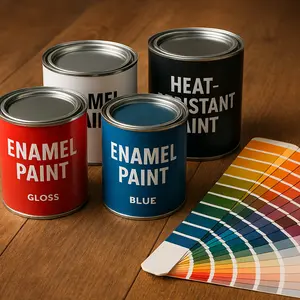
If you’re debating, think of it the same way you’d ask what paint to use on wood, you need the right type for the material and conditions.
Common Mistakes When Painting Old Radiators
While painting old radiators is safe when done properly, mistakes can ruin the finish or cause issues later. Watch out for:
- Skipping prep work: Rust and dust under paint will cause peeling.
- Using the wrong paint: Regular paint won’t withstand heat.
- Painting while radiator is on:The paint won’t adhere and fumes will spread quickly.
- Overloading with paint: Thick coats trap heat and can drip.
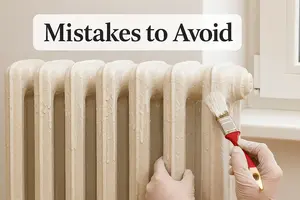
Taking the time to do it right will save you from repainting in just a few months.
Style Tips for Painting Old Radiators
If you’re going to the effort of painting, why not make your radiator a design feature? A few tips:
- Classic White or Cream: Keeps a clean, traditional look.
- Bold Colors: A matte black or deep blue can make the radiator a statement piece, much like choosing a blue ceiling paint color to add drama.
- Match the Walls: Blend the radiator in by painting it the same color as the wall.
Painting radiators is both functional and aesthetic, it protects the surface while giving your home personality.
Alternatives to Painting
If your radiator is in very poor shape, painting might not be the best solution. Alternatives include:
- Professional reconditioning: Sandblasting and refinishing for a like-new look.
- Radiator covers: Decorative covers that hide the radiator entirely.
- Replacement: Sometimes, replacing is better than painting if the radiator is old and inefficient.
Final Thoughts: Is It Safe to Paint an Old Radiator?
So, is it safe to paint an old radiator? Absolutely, if you use the right paint, prepare correctly, and allow it to dry fully before use. Painting is one of the easiest and most affordable ways to refresh an old radiator and make it last longer.
Just like when you paint edges between walls and ceilings or choose the best ceiling paint for bathrooms, it’s all about using the right materials and techniques for the job.
A freshly painted radiator not only improves the look of your space but also helps protect against rust and wear. Done properly, it’s safe, effective, and worth the effort.